
Plants
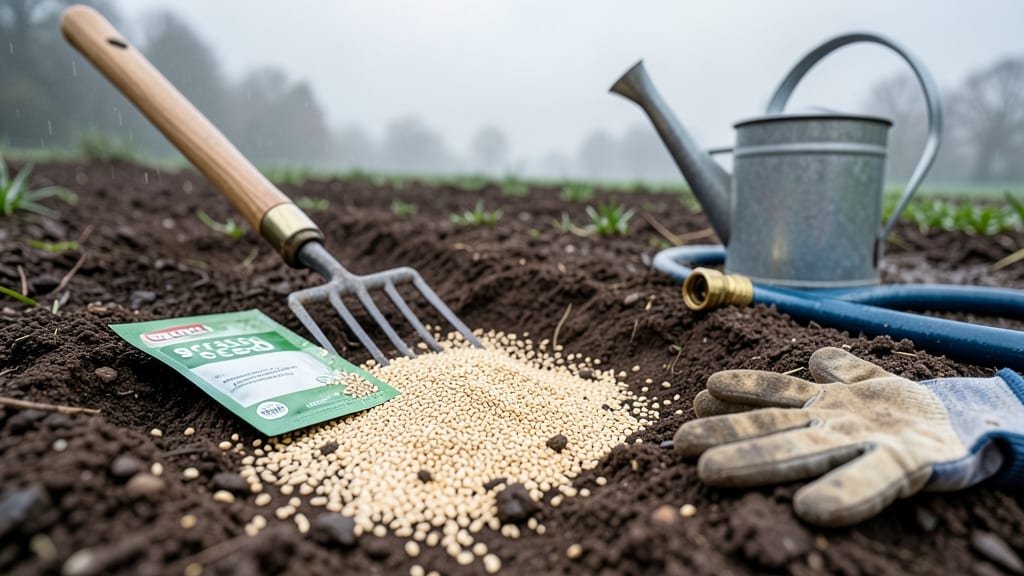
If you're dreaming of a thick, green lawn in Illinois, timing your grass seed planting could be the game-changer you've been missing.
The difference between a patchy yard and a lush carpet of 🌱 grass seed often comes down to when you plant—especially in zones 5-6, where spring and fall weather play a huge role.
Most Illinois gardeners swear by early fall planting, between September and October, when soil stays warm but nights cool down. This gives your grass a strong start before winter sets in.
But spring planting in March or April can also work if you act fast—before the heat of summer arrives.
Why does timing matter so much? Because grass seed needs consistent moisture and the right temperatures to germinate. Plant too early or too late, and you risk drought, weeds, or even frost damage.
Let me walk you through the best times to plant for your specific part of the state—whether you're in northern Illinois or down south.
Ready to transform your lawn? I'll share the exact steps to prepare your soil, choose the right seed, and keep your new grass thriving all season long. Let's get started!
Optimal Illinois grass seed planting windows: cool season vs warm season
If you're dreaming of a lush, green lawn in Illinois, timing is everything. The best times to plant grass seed are during early spring (March-April) and early fall (September-October), when conditions are perfect for germination.
Illinois' cool-season climate (USDA Zones 5-6) favors grasses like tall fescue, Kentucky bluegrass, and perennial ryegrass, which thrive in these windows.
Most Illinois gardeners focus on fall planting because cooler temperatures and consistent rainfall create ideal conditions. Spring planting works too, but requires extra care to avoid summer stress. Let's break down the key differences and regional considerations to help you choose the perfect window for your yard.
| Season | Best Months | Soil Temp | Rainfall | Key Advantages |
|---|---|---|---|---|
| Early Spring | March-April | 50-60°F | Moderate | Warmer soil, fewer weeds, rapid growth |
| Early Fall | September-October | 60-70°F | Consistent | Cooler temps, less stress, strong root growth |
| Avoid | Late Spring (May-June) | 70°F+ | Variable | High heat stress, weed competition |
For northern Illinois (like Chicago), aim for late August to mid-September to avoid early frosts. Southern Illinois (St. Louis area) can extend planting until mid-October thanks to slightly warmer microclimates. Always check your last frost date (April 15) and first frost date (October 15) for your specific area.
Cool-season grasses dominate Illinois lawns because they stay green longer and handle our hot summers and cold winters better than warm-season options. If you're planting warm-season grasses like Bermuda (rare in IL), your window would be late spring to early summer—but these struggle in northern IL's climate.
Pro tip: Soil temperature matters more than air temperature. Use a soil thermometer to confirm 50-65°F before planting—this ensures consistent germination. Most Illinois gardeners see 2-3x better success rates when planting in the optimal fall window compared to spring.
Regional variations also play a role. Clay-heavy soils in central IL may need extra prep, while sandy soils in northern areas dry out faster.
Always test your soil's pH (6.0-7.0 ideal) and drainage before planting. Northern Illinois often benefits from earlier fall planting to avoid early snow, while southern IL can push planting slightly later.
Remember: Overseeding existing lawns in fall is ideal because established grass shades out weeds and retains moisture better. For new lawns, spring planting gives seeds time to establish before summer heat arrives. Never plant within 6 weeks of frost—this gives seedlings time to root before winter dormancy.
If you're still unsure about timing, late September offers the sweet spot for most of Illinois—cool enough for strong root growth but warm enough for active germination. Just be ready to protect new seedlings if an early frost sneaks in! 🌱
How to prepare your Illinois lawn for fall grass seed planting
Fall planting is my favorite time to establish new grass in Illinois because the cool but still warm soil gives seeds the perfect head start. Between September and October, you avoid summer's heat stress while giving your grass time to root before winter.
But before you even think about spreading seed, your lawn needs some serious prep work—especially if you're dealing with clay-heavy soils or drought-prone areas common across the state.
The key to success starts with your soil. Most Illinois lawns have compacted or alkaline soil that needs adjustment. I always recommend testing your soil's pH level first—aim for a range of 6.0 to 7.0.
If your soil is too acidic or alkaline, you'll need to amend it with lime (for acidic soil) or sulfur (for alkaline soil) about 4-6 weeks before planting. This gives the amendments time to work their magic.
Once your soil is ready, it's time to tackle weeds. Fall is actually the perfect time to control weeds before planting because many broadleaf weeds are still active but won't compete as aggressively with new grass. I like to use a pre-emergent herbicide like corn gluten meal (natural option) or a synthetic pre-emergent about 2-3 weeks before seeding. For existing weeds, spot-treat with vinegar or a glyphosate-based herbicide, but
If you're overseeding an existing lawn, mow your grass short but not scalped—about 1.5 to 2 inches tall—right before planting. This helps the new seeds make contact with the soil. For new lawns, rake the soil smooth after aerating to create a fine, seed-friendly texture. A stiff-bristled rake works best for breaking up clumps while leaving a firm surface for seeds to land on.
Don't forget about microclimate considerations in Illinois. Northern Illinois (like Chicago) tends to have earlier frosts, so I recommend planting by mid-September up there. Southern Illinois (near St. Louis) can often wait until early October.
Always check your local frost-free date and aim to plant 6-8 weeks before the first expected frost—this gives your grass enough time to establish roots before winter sets in.
After all this prep, your lawn will be ready for seeding. But remember, the work doesn't stop there—consistent watering and light fertilization will be key to keeping your new grass thriving through winter.
With proper fall prep, you'll be rewarded with a thick, green lawn that outshines your neighbors' by next spring! 🌱