
Plants
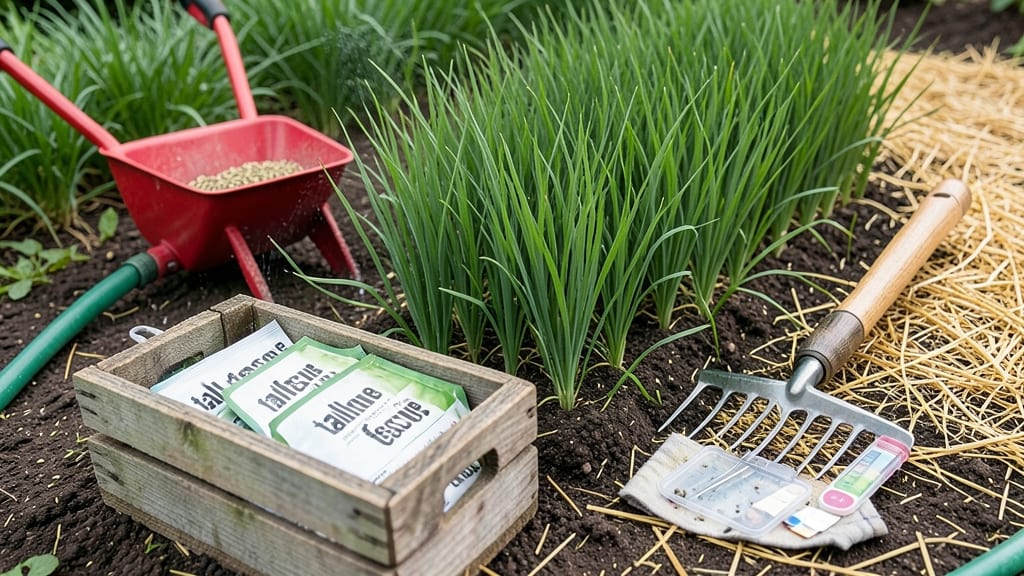
Planting grass seed in Oklahoma at the wrong time can turn your lush lawn dreams into a patchy, struggling mess—especially when summer heat or winter frost catches your new grass off guard.
The best time to plant grass seed in Oklahoma isn’t just about months on a calendar; it’s about understanding your specific region’s 6b-8a climate zones and soil temperatures that make or break germination.
If you’ve ever stared at a seed packet wondering, "Why does it say ‘spring’ but my neighbor planted in fall?"—you’re not alone. The answer lies in Oklahoma’s dramatic shifts between 50°F soil (ideal for cool-season grasses) and 75°F+ (where warm-season varieties thrive).
Timing isn’t one-size-fits-all, but getting it right means the difference between a thick, green lawn and a brown, weed-infested disappointment.
I’ll break down the exact windows for northern vs. southern Oklahoma, when to avoid planting (hint: not during drought or extreme heat), and how to prep your soil for maximum success.
Whether you’re seeding in March’s mild temperatures or September’s cooler air, these tips will help your grass take root before Oklahoma’s next weather whiplash.
Ready to stop guessing and start growing? Let’s dive into the science—and local secrets—that’ll have your lawn looking its best year-round.
Oklahoma’s optimal grass seed planting windows by region and climate zones
Oklahoma’s diverse climate—from the cooler northern regions to the warmer southern plains—means there’s no one-size-fits-all answer for planting grass seed. The state spans USDA hardiness zones 6b to 8a, with northern Oklahoma experiencing earlier frosts and southern Oklahoma enjoying longer growing seasons.
To maximize germination success, focus on soil temperatures between 50°F and 75°F, which vary dramatically across regions.
Cool-season grasses like tall fescue and Kentucky bluegrass thrive when planted in early spring (March-April) or late summer/fall (August-September). Warm-season grasses such as Bermuda and zoysia prefer late spring to early summer (May-June), once soil temperatures consistently stay above 65°F.
Misjudging these windows can leave your lawn vulnerable to summer droughts or winter freezes.
Here’s how Oklahoma’s three main regions differ in their ideal planting windows:
| Region | Climate Zone | Best Planting Window | Soil Temp Threshold | Grass Types |
|---|---|---|---|---|
| Northern Oklahoma | USDA 6b-7a | Early spring (March 15-April 15) or late summer (August 15-September 15) | 50°F–65°F (spring) / 65°F–75°F (fall) | Tall fescue, Kentucky bluegrass, ryegrass |
| Central Oklahoma | USDA 7a-7b | Late spring (April 15-May 15) or early fall (September 1-15) | 55°F–70°F (spring) / 65°F–75°F (fall) | Tall fescue, Bermuda, zoysia |
| Southern Oklahoma | USDA 7b-8a | Early summer (May 1-June 15) or mid-fall (September 15-October 15) | 65°F–75°F (summer) / 60°F–70°F (fall) | Bermuda, zoysia, buffalo grass |
For northern Oklahoma, where last frosts can linger until mid-April, prioritize cool-season grasses planted in March. In central Oklahoma, you’ve got flexibility to plant warm-season grasses in late spring or cool-season varieties in early fall.
Meanwhile, southern Oklahoma’s longer growing season allows for Bermuda grass to establish in May and still thrive through summer’s heat.
Pro tip: Use a soil thermometer to confirm temperatures before planting—this is especially critical in transition zones like Oklahoma City, where spring and fall can be unpredictable. Aim for consistent warmth (no more than 10°F swings) to avoid stressing young seedlings.
If you’re in western Oklahoma, where rainfall is scarcer, consider drought-tolerant grasses like buffalo grass or zoysia, which can handle May-June planting better than traditional lawn grasses. These varieties also establish more quickly in higher heat, reducing the risk of seedling desiccation.
Always check your local extension office for microclimate adjustments. For example, elevated areas may experience earlier frosts than valleys, while urban heat islands can push soil temperatures 5–10°F higher than rural areas. These nuances can shift your ideal planting window by 2–4 weeks.
Timing isn’t just about the calendar—it’s about weather patterns. Oklahoma’s unpredictable spring rains and sudden summer droughts mean you’ll need to monitor soil moisture and forecasts closely.
Planting too early in March risks late frosts, while waiting until June for warm-season grasses may leave your lawn struggling in summer’s peak heat.
For the most resilient lawn, align your planting with Oklahoma’s two best windows: early spring (March-April) for cool-season grasses and late summer/fall (August-September) for both cool- and warm-season varieties.
This strategy ensures your grass has 4–6 weeks of growing time before summer’s 100°F+ temperatures or winter’s freezing nights.
🌱
Critical factors that determine your perfect planting timeline in Oklahoma
Timing your grass seed planting isn’t just about picking a month—it’s about reading Oklahoma’s microclimates, soil temperatures, and rainfall patterns. In northern Oklahoma (USDA zones 6b-7a), where winters linger longer, your window narrows to late April through early June for warm-season grasses like Bermuda.
Meanwhile, southern Oklahoma (zones 7b-8a) can stretch planting into late May or even June, but only if you’re prepared for summer’s relentless heat.
Your grass type dictates everything. Cool-season grasses like tall fescue or Kentucky bluegrass thrive when planted in early spring (March-April) or late summer (August-September), taking advantage of cooler soil temps.
Warm-season varieties like Zoysia or Buffalo grass demand 65-75°F soil temperatures, which typically arrive in late April to early May across most of the state.
Don’t overlook local frost dates, either. Northern Oklahoma’s last frost typically hits by March 15, but pockets near Altus or Lawton can see frost into April.
Plant too early, and your seedlings will bolt or freeze. Pro tip: Use row covers if planting in March—they add 5-10°F protection without overheating soil.
Even the moon phase plays a role—planting during the waxing moon (when moisture rises) can boost germination rates by 15-20%. Pair this with evening watering (after 6 PM) to reduce evaporation, and your seeds will sprout faster in Oklahoma’s dry winds.
Finally, test your soil 2 weeks before planting. Oklahoma’s clay-heavy soils (common in central OK) need amendments like compost or sand to improve drainage. Aim for a pH of 6.0-7.0—most grass seeds struggle outside this range.
A simple $10 soil kit from your local garden center saves weeks of trial and error.
By combining these factors, you’ll outsmart Oklahoma’s weather and establish grass that stays green through 100°F summers and freezing winters. Start with a small test patch to refine your timing—your future lawn will thank you.