
Plants
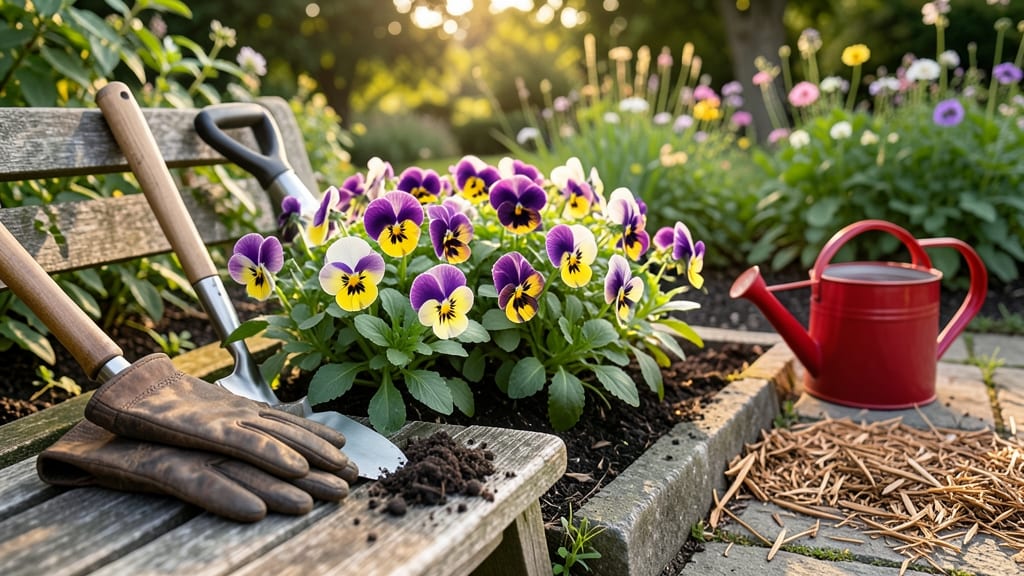
Georgia’s ideal pansy planting months by climate Zone (with frost risk data)
Pansies thrive in Georgia’s mild winters, but timing is critical to avoid frost damage or missed blooms. The Peach State’s USDA Zones 7b-8b create two perfect planting windows: fall (September–October) for winter color and spring (February–March) for summer displays.
Let’s break down the exact months for your zone to maximize bloom duration.
North Georgia (Zones 7a-7b) faces earlier frosts, while South Georgia (Zones 8a-8b) enjoys longer growing seasons. The average first frost arrives in mid-November for most areas, but Zone 8b can push pansies into December with protection.
Meanwhile, the last frost typically occurs in mid-April, though late freezes linger in higher elevations.
Pansy Planting Timeline for Georgia
| Zone & Location | Ideal Planting Window | Soil Temp Threshold | Frost Risk |
|---|---|---|---|
| North GA (7a-7b) | September 15–October 15 | 55–65°F | Low (after Oct 15) |
| South GA (8a-8b) | September 1–October 31 | 60–70°F | Very Low (Zone 8b) |
| Spring Planting (Both Zones) | February 15–March 15 | 50–60°F | Low (after March 15) |
*Frost risk data based on 30-year averages from NOAA Atlanta and Savannah stations.
For fall planting, aim to get pansies in the ground 4–6 weeks before your first frost date. This gives roots time to establish before winter chill sets in.
In Zone 7b, that’s typically by October 1, while Zone 8b gardeners can push it to November 1 with light mulch protection.
Spring planting requires patience—wait until soil temperatures rise above 50°F and all frost risk has passed. In Zone 7b, this usually means mid-March, while Zone 8b can start as early as February 15. Planting too soon risks cold-sensitive roots stunting growth.
Pro tip: Use a soil thermometer ($10 at garden centers) to verify soil temps. Pansies prefer 55–65°F for root establishment. If temps dip below 40°F, cover seedlings with frost cloth for extra protection during early fall or late spring plantings.
Georgia’s humid summers make late-summer planting (August) risky unless you’re in Zone 8b. The heat stresses young plants, and powdery mildew thrives in the 90°F+ conditions. Stick to the September–October window for fall color or February–March for spring blooms.
Varieties like ‘Matrix’ and ‘Cool Wave’ handle Georgia’s heat better than traditional pansies. For longer bloom duration, choose shade-tolerant varieties like ‘Sorbet’, which thrive in partial shade—ideal for Atlanta’s Zone 7b afternoons.
Remember: Pansies are cool-season annuals, meaning they’ll bolt (produce seeds) in Georgia’s summer heat. Plan your planting schedule to enjoy 6–8 weeks of continuous blooms per season before they fade.
How to extend pansy blooms in Georgia: fall vs. spring planting strategies
Pansies thrive in Georgia’s mild winters, but their bloom duration depends entirely on when you plant them. Fall planting gives you earlier color, while spring planting extends blooms into summer. Let’s break down the best approach for your climate zone and garden conditions.
For North Georgia (Zones 7a-7b), focus on September–October planting to beat the first frost. In South Georgia (Zones 8a-8b), you can plant as late as November for winter blooms. Spring planting in February–March works for both zones but requires light protection in hot summers.
Here’s how to maximize your pansies’ lifespan with minimal effort:
Fall Planting (September–October)
- Early blooms before winter
- Stronger roots before frost
- Less competition from weeds
- Risk of late frost in Zone 7b
- Shorter bloom season if planted too late
Spring Planting (February–March)
- Longer bloom season into summer
- Avoids frost damage entirely
- Great for containers on patios
- Needs afternoon shade in Zone 8b
- More watering required in heat
Choose ‘Matrix’ pansies for heat tolerance if planting in spring. These varieties handle Georgia’s summer heat better than traditional types. For fall, opt for ‘Cool Wave’—they bloom prolifically in cooler temps.
After planting, apply 2–3 inches of mulch to retain moisture and suppress weeds. In spring, use shade cloth (30–50%) to protect pansies from midday sun in Zone 8b gardens. Deadhead spent blooms every 2 weeks to encourage continuous flowering.
With the right strategy, your pansies can bloom for 6+ months—from fall through spring or into summer. The key is matching your planting time to Georgia’s microclimates and variety choices.