Planting
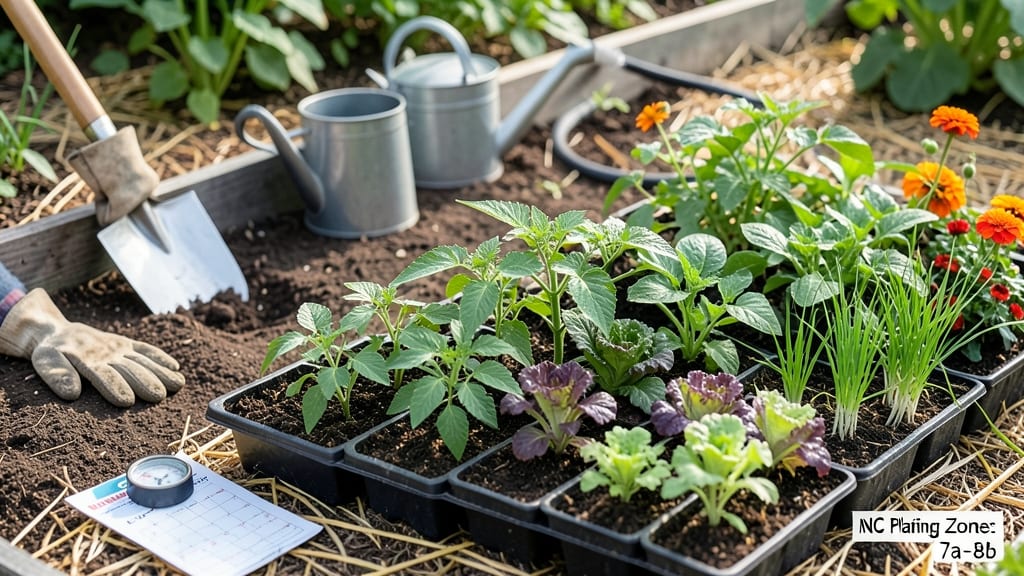
Knowing when to plant a vegetable garden in North Carolina can mean the difference between a thriving harvest and a frost-bitten disappointment—especially when those last-frost dates vary by 100+ miles across the state.
Whether you're in the Coastal Plain, Piedmont, or Mountains, planting too early or late risks losing your hard work to unexpected cold snaps or scorching heat.
I’ve spent years tracking NC’s county-specific frost deadlines, and what I’ve learned will save you from common mistakes. From March lettuce to July tomatoes, knowing exactly when to sow each crop in your area ensures your garden thrives year after year.
Let’s break down the perfect planting windows so you can skip the guesswork.
You don’t need a degree in agriculture to get this right—just a few key dates and simple adjustments for your local microclimate.
Whether you’re a first-time gardener or a seasoned pro, these insights will help you plant with confidence, avoid costly errors, and enjoy a bountiful harvest from summer through fall.
Ready to transform your garden’s success rate? Let’s dive into the exact timelines and strategies tailored to your corner of North Carolina—no more waiting until it’s too late!
NC county frost dates: exact last-frost timelines for safe planting
North Carolina’s three distinct climate zones—Coastal, Piedmont, and Mountains—create wildly different last-frost dates. Planting too early in the Piedmont or Mountains risks frost damage, while Coastal areas can start weeks sooner. Let’s break down the county-specific deadlines so you can plant with precision.
For cool-season crops like lettuce, broccoli, and spinach, aim to sow seeds 4-6 weeks before your average last frost date. Warm-season crops such as tomatoes, peppers, and basil need soil temperatures above 60°F and should wait until 2 weeks after the last frost.
Here’s how the USDA Plant Hardiness Zones translate to your planting timeline. Use this as your frost-free countdown:
| Region | Avg. Last Frost Date | Key Counties | Safe Planting Window |
|---|---|---|---|
| Coastal Plain | Mid-March to early April | Carteret, Craven, Brunswick | Start cool crops by February 15 |
| Piedmont | Late March to mid-April | Wake, Durham, Mecklenburg | Start cool crops by March 1 |
| Mountains | Late April to early May | Haywood, Mitchell, Buncombe | Start cool crops by March 15 |
🌱 Pro Tip: Check your county’s 30-year average via the NC State Climate Office for the most accurate dates.
In the Coastal Plain, counties like Carteret often see their last frost by March 15, while inland Piedmont areas like Wake County may not be frost-free until April 10. The Mountains, including Asheville, can linger into May.
For warm-season crops, wait until soil temperatures consistently stay above 60°F. Use a soil thermometer to confirm—most garden centers sell them for under $10. In Raleigh, this usually means mid-April for peppers and late April for tomatoes.
If you’re in a high-altitude county like Mitchell, add 2-3 weeks to your frost timeline. These areas often experience late spring frosts due to cooler mountain air. Conversely, Coastal areas may see earlier last frosts but also hotter summers, so plan for shade cloth if needed.
Always monitor local weather forecasts the week before your target planting date. A late frost can wipe out seedlings overnight, so have row covers ready. For peppers and eggplants, which are heat-lovers, delay planting until after Memorial Day in most of NC.
For succession planting, like lettuce or radishes, make weekly sowings every 2 weeks until June to ensure a continuous harvest. This works especially well in Coastal areas where the growing season stretches longer.
Use this frost-free timeline as your gardening roadmap. Mark your calendar with the last frost date for your county, then count backward for cool crops and forward for warm-season plants. With this strategy, you’ll avoid the costly mistakes of planting too early or too late.
Best vegetables to plant by NC month: a seasonal planting guide
North Carolina’s three distinct climate zones—Coastal, Piedmont, and Mountains—mean your planting calendar should shift based on elevation and microclimates. While Coastal areas (like Wilmington) enjoy longer growing seasons, mountain counties (such as Asheville) face shorter windows. Here’s a month-by-month breakdown to maximize your harvests year-round.
Start with cool-season crops in early spring (March–April) when soil temperatures hover around 50–60°F. These include leafy greens like spinach and kale, root vegetables such as carrots and radishes, and brassicas like broccoli and cabbage. Direct-sow seeds into well-drained soil, and use row covers if frost threatens.
By late April to early May, shift to warm-season vegetables once the last frost date has passed. Tomatoes, peppers, and cucumbers thrive in soil temperatures above 60°F and need full sun (6–8 hours daily). Transplant seedlings instead of sowing directly to avoid chilly soil damage.
For continuous harvests, practice succession planting. For example, sow radishes every 2 weeks from March to August—they mature in just 30 days!
Similarly, bush beans and lettuce benefit from staggered plantings to avoid glutting your kitchen. Heat-tolerant varieties like Malabar spinach or Okra are perfect for July–September when temperatures soar.
In late summer (August–September), prep for fall crops by clearing out spent plants and amending soil with compost. Broccoli, Brussels sprouts, and carrots thrive in cooler fall weather. Use black plastic mulch to warm soil early in the season or straw mulch to retain moisture during dry spells.
By October, focus on winter-hardy crops like garlic, onions, and leafy greens. These can withstand light frosts and even improve in flavor after exposure to chilly temperatures.
If you’re in the Mountains, consider extending your season with low tunnels or cold frames to protect tender plants like kale from early frosts.
Remember: Soil temperature matters more than air temperature when planting. Use a soil thermometer to ensure roots thrive—warm-season crops need soil above 60°F, while cool-season crops prefer 50–60°F. Adjust your schedule based on your USDA Zone (5b–8a in NC) for precision.