
Trees
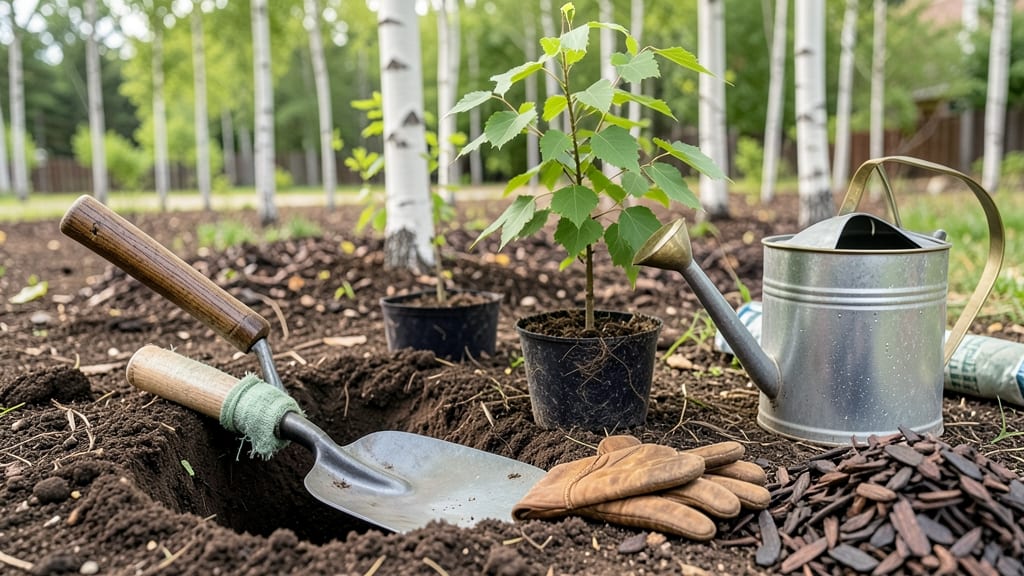
Planting trees in Colorado isn’t just about timing—it’s about surviving the state’s dramatic elevation shifts, freezing nights, and unpredictable soil conditions. Get it wrong, and your sapling could face transplant shock; get it right, and you’ll set the stage for decades of growth.
With USDA zones 5-7 and frost-free days ranging from 120-180, Colorado’s climate demands precision. Whether you’re in the Front Range or the Foothills, the best time to plant your 🌳 depends on soil temperature and elevation—spring or fall, but never summer.
Let’s break down the optimal windows and how to prepare your site for zero-shock success.
You’ll learn how to read soil temps (aim for 40°F+), choose the right tree species for your zone, and avoid common mistakes that kill young trees. From bare-root to container-grown, we’ll cover everything you need to know for a thriving transplant.
Ready to plant with confidence? Let’s dive into the step-by-step guide that’ll have your trees rooted and growing strong in no time.
Optimal Colorado tree planting windows by elevation & soil temperature
Colorado’s diverse elevations and rapid temperature swings mean planting windows vary dramatically from the Front Range to the Rocky Mountains. For example, Denver’s 5,280-foot elevation creates different conditions than 10,000-foot foothills. The key? Plant when soil temperatures hit 40°F+—this ensures roots establish before winter dormancy.
Most Colorado gardeners swear by early spring (March-April) or fall (September-October) planting. Spring lets trees take advantage of melting snow moisture, while fall gives roots time to settle before first frost. However, high-elevation zones (above 8,000 feet) may need adjustments—delay planting until May to avoid late frosts.
Here’s the critical rule: Bare-root trees must be planted when dormant (late fall or early spring), while container-grown trees offer more flexibility. In Zone 5-7, aim for 6-8 weeks before first frost to allow root establishment.
🌱
| Elevation Zone | Soil Temp Threshold | Best Planting Window | Key Consideration |
|---|---|---|---|
| Front Range (5,000–7,000 ft) | 40°F+ (March–April) | March–April or Sept–Oct | Moderate frost risk; water deeply after planting. |
| Foothills (7,000–9,000 ft) | 45°F+ (April–May) | May–June or Aug–Sept | Later frost dates; prioritize drought-resistant species. |
| Mountains (9,000+ ft) | 50°F+ (May–June) | June–July (avoid fall) | Short growing season; use windbreaks for young trees. |
In Denver and Boulder, where USDA Zone 5-6 dominates, late March to early April is ideal for spring planting. Wait until soil warms to 50°F+ to avoid root rot in cooler microclimates. For fall planting, aim for September—this gives roots 6-8 weeks to establish before winter.
Pro tip: Use a soil thermometer to check depth (6 inches). If temperatures dip below 40°F, delay planting until conditions stabilize. Alkaline soils in Colorado also slow root growth, so amend with compost or sulfur if your pH exceeds 7.5.
Another critical factor? Tree species. Deciduous trees like Hackberry or Cottonwood handle spring planting well, while evergreens (e.g., Colorado Blue Spruce) prefer fall to avoid winter desiccation. Always check the USDA Hardiness Zone for your specific tree.
For container-grown trees, you have more leeway—plant anytime soil isn’t frozen. However, avoid peak summer heat (June–August), as transplant shock spikes when roots can’t recover. If you must plant in summer, deep-water every 3–4 days and use shade cloth for the first month.
🌿
One common mistake? Planting too late in fall. If you miss the September window, roots may not harden off before first frost (typically mid-October). Instead, opt for bare-root trees in early spring—they establish 30% faster than container-grown trees in Colorado’s dry climate.
Finally, microclimates matter. A south-facing slope in Fort Collins may warm up 2 weeks earlier than a north-facing yard in Aspen. Observe your site for 1–2 weeks before planting to gauge frost pockets and wind exposure.
A windbreak (like a Rocky Mountain Juniper) can mean the difference between survival and failure.
Optimal Colorado tree planting windows by elevation & soil temperature
Colorado’s elevation zones and soil temperature play critical roles in determining the best time to plant trees. Unlike lower elevations, high-altitude areas like the Rockies have shorter growing seasons and colder soils, requiring precise timing to avoid transplant shock.
For most of Colorado, the ideal windows are early spring (March-April) or fall (September-October), but these shift with elevation.
At lower elevations (3,000–6,000 ft), like Denver or Colorado Springs, soil warms faster in spring. Aim to plant when daytime highs consistently reach 50°F+ and nighttime lows stay above 40°F.
This typically aligns with late March to early May. In contrast, mountain regions (7,000–10,000+ ft) may delay planting until late April to June due to lingering frost and slower soil warming.
🌡️ Colorado Tree Planting Windows by Elevation
| Elevation Zone | Best Planting Window | Soil Temp Threshold | Key Consideration |
|---|---|---|---|
| 3,000–6,000 ft (Front Range) | March 15–April 30 | 40°F+ (nighttime) | Avoid late frosts; water deeply post-planting. |
| 6,000–8,000 ft (Foothills) | April 1–May 15 | 45°F+ (nighttime) | Use mulch to retain heat; monitor for late snow. |
| 8,000–10,000+ ft (Mountains) | May 1–June 15 | 50°F+ (daytime) | Prioritize cold-hardy species; extend planting season with burlap wraps. |
| Fall Window (All Zones) | September 15–October 15 | 50°F+ (daytime) | Soil stays warm; trees establish roots before dormancy. |
💡 Pro Tip: Use a soil thermometer to confirm temperatures. Bare-root trees need warmer soils than container-grown ones.
Fall planting is often underestimated in Colorado but offers distinct advantages. By planting in September or October, trees establish roots before winter dormancy, reducing transplant shock risks.
Just ensure daytime highs stay above 50°F for 2–3 weeks post-planting to allow root growth. For container-grown trees, fall planting is safer than spring in high-altitude areas.
One common mistake is planting too early in spring, when late frosts can damage tender new growth. Check your local USDA Hardiness Zone (Colorado ranges from Zone 4–7) and monitor almanac frost dates.
For example, Denver’s last frost averages April 15, but mountain towns like Breckenridge may see frost into May. Planting 2–3 weeks after your average last frost date minimizes risks.
For bare-root trees, spring planting is ideal because roots can absorb moisture from thawing soil. However, container-grown trees are more flexible—plant them anytime soil isn’t frozen, even in late fall, as long as you water thoroughly and mulch heavily.
Always dig a hole twice as wide as the root ball to encourage outward root growth, which is critical in Colorado’s alkaline, clay-heavy soils.
If you miss the spring or fall windows, don’t despair. High-altitude areas can sometimes plant in June or July for drought-tolerant species like Ponderosa Pine or Rocky Mountain Juniper, but prioritize deep watering and shade cloth during establishment.
Just avoid planting in winter—dormant trees won’t recover from frozen roots.