
Trees
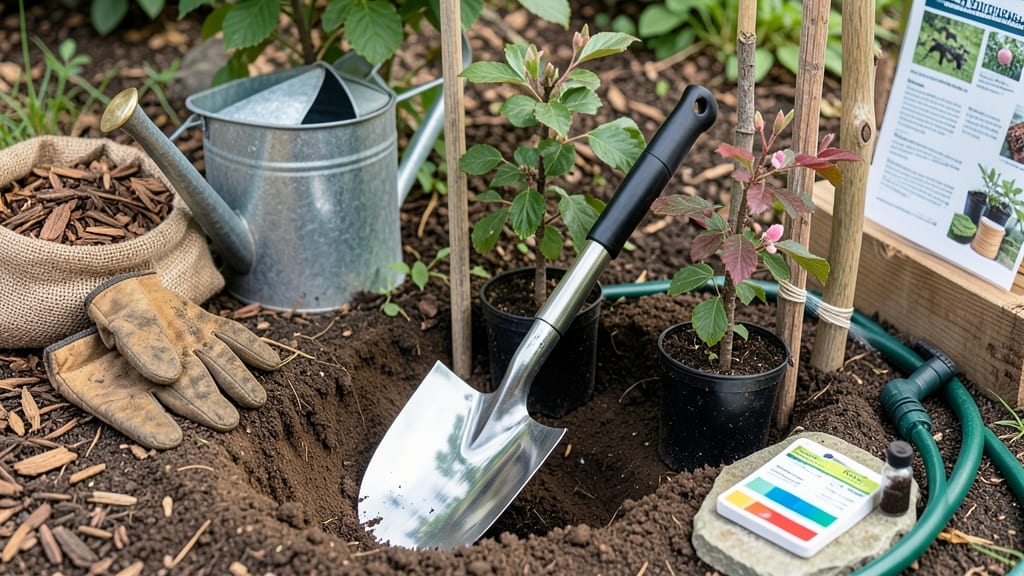
If you’ve ever wondered when is the best time to plant trees in Missouri, the answer lies in when you plant them—not just which season, but the precise soil conditions and microclimate factors that make all the difference.
Missouri’s 5b-7a zones mean frost dates vary wildly from St. Louis to Kansas City, and planting too early (cold soil) or too late (dormant stress) can doom your 🌳 before it even sprouts.
The best time isn’t just a calendar date—it’s about soil temperatures hitting 45-60°F, moisture retention, and even wind exposure.
Whether you’re dropping in a bare-root oak in late fall or a container-grown maple in early spring, this guide breaks down the exact windows, soil prep tricks, and species-specific tips to ensure your trees thrive from day one.
Skip the guesswork: Learn how to align your planting with Missouri’s zero-frost success zones, adjust for urban heat islands, and avoid the top mistakes that turn hopeful saplings into sad statistics.
Missouri tree planting calendar: soil temperature & seasonal windows by region
Missouri’s diverse climate means planting timing varies dramatically between northern and southern regions. The Show-Me State spans USDA Zones 5b-7a, so while St. Louis gardeners enjoy 200 frost-free days, areas near Kansas City face 165 days.
Getting the timing right means checking soil temperatures (ideal range: 45-60°F) and aligning with your tree’s dormancy cycle.
Spring planting is the gold standard for Missouri, but fall offers a second prime window when soil stays warm enough for root establishment. The key difference? Bare-root trees thrive in late fall (November), while container-grown varieties can go in until early spring (April).
Let’s break down the best months by region and tree type.
🌳 Missouri Tree Planting Calendar
| Region | Best Planting Window | Soil Temp Threshold | Ideal Tree Types |
|---|---|---|---|
| Northern MO (e.g., Kansas City) | March 15-April 15 (spring) or October 15-November 15 (fall) | 45-55°F (warmer soil in spring) | Oak, Maple, Honey Locust, Apple |
| Central MO (e.g., Columbia) | March 1-April 30 or October 1-November 30 | 48-60°F (longer warm season) | Redbud, Dogwood, Walnut, Pear |
| Southern MO (e.g., St. Louis) | February 15-April 15 or September 15-November 15 | 50-60°F (earlier warm-up) | Crapemyrtle, Sweetgum, Magnolia, Fruit Trees |
For bare-root trees, the dormant season (November-March) is critical. These trees enter the ground with minimal stress because they’re not actively growing. In contrast, container-grown trees can handle spring planting until late April, as their roots are already established in soil.
Missouri’s clay-heavy soils can delay warming in spring, so always test soil temperature with a soil thermometer (available at garden centers for ~$10). Aim for 50°F or warmer at a 6-inch depth before planting. Pro tip: Black plastic mulch can warm soil 5-10°F faster in early spring.
Fruit trees like apple or peach need extra care—they thrive when planted in early spring (March) to avoid late frost damage to blossoms. Evergreens (e.g., Pine, Spruce) should go in fall or early spring to prevent winter desiccation from drying winds.
Missouri’s microclimates create exceptions. Urban areas like St. Louis often have warmer microclimates due to heat islands, while river valleys (e.g., Osage River) stay cooler. Adjust planting by 1-2 weeks based on your local frost data—check the Missouri State Climatologist for your county’s trends.
One non-negotiable rule: Never plant when the ground is frozen or waterlogged. Missouri’s spring rains can turn clay soil into mud, making it impossible for roots to establish. If you miss the ideal window, wait until fall—just ensure 6-8 weeks remain before first frost.
For container-grown trees, you’ve got more flexibility. These can go in until mid-May, but water deeply and use mulch to protect roots from heat stress. The trade-off? Slower establishment compared to dormant-season planting.
Missouri’s fall planting window closes faster in the north. By November 15, northern regions risk early frosts, while southern areas can plant until December 1. Always water thoroughly before the first hard freeze to help roots acclimate.
How to adjust planting timing for Missouri’s microclimates & frost risks
Missouri’s diverse landscapes—from urban heat islands in St. Louis to river valleys in the Ozarks—create microclimates that shift frost dates by weeks. Even within 50 miles, your planting window can vary by 2-3 weeks due to elevation, water bodies, or pavement heat.
Understanding these nuances lets you avoid transplant shock and give roots time to establish before summer’s brutal heat.
For example, northern Missouri (Zone 5b) often sees its last frost around April 15, while southern Missouri (Zone 7a) may be frost-free by March 20. Urban areas like Kansas City can experience microclimate delays of 5-7 days due to concrete absorbing and radiating heat.
Use the Missouri Botanical Garden’s frost map to pinpoint your exact zone—it’s your planting timeline’s GPS.
Planting after May 15 in Missouri risks transplant shock as roots struggle to establish before summer’s 90°F+ soil temps. Container-grown trees adapt slightly better than bare-root, but even they need 6-8 weeks to acclimate. If you miss spring, wait until fall’s 60°F soil threshold (usually late September-early October).
Urban tip: Pavement heat can push soil temps 10°F higher than rural areas—monitor with a soil thermometer before planting.
Extend your spring window with soil warming hacks. Black plastic mulch raises soil temps by 5-10°F in 2 weeks, while clear plastic tunnels (like row covers) create microclimates that let you plant 3 weeks earlier.
For frost-sensitive species like redbud or magnolia, these tricks mean the difference between survival and failure.
Fall planting offers a 6-week buffer before winter dormancy, but timing is critical.
Aim for 6-8 weeks before first frost—so if your area freezes by October 15, plant by late August. Evergreens (like pine or spruce) need extra care: their roots must establish before freezing temps halt growth. Water deeply once a week until ground freezes to encourage root expansion.
Windbreaks are your secret weapon against Missouri’s unpredictable frost pockets. A temporary fence of burlap or evergreen branches can reduce wind chill by 5°F, protecting young seedlings.
For high-value trees (like fruit orchards), consider smart sprinklers—they release latent heat as water freezes, creating an insulating ice layer that shields buds from -5°F temps.
Pro tip: Container-grown trees give you flexibility—plant them anytime soil isn’t frozen, but avoid extreme heat (above 85°F) or cold (20°F). Their root balls stay 5-10°F warmer than bare-root, so they handle late spring better.
Just water deeply every 3-5 days until roots spread beyond the pot’s edge.