Plants
If you’ve ever stared at a bag of grass seed wondering "when is the best time to plant grass seed in Indiana", you’re not alone—Indiana’s shifting weather can turn a good lawn into a guessing game.
The truth? Planting too early risks frost damage, while waiting too long means battling summer heat and drought before your grass even takes root.
Here’s the secret: spring and fall are your golden windows, but timing matters more than you think. In Indiana’s USDA Zone 6a, soil temps need to hit 55–65°F for seeds to germinate—usually by early April or late September. Miss this, and you’re fighting nature instead of working with it.
I’ll break down exactly when to plant for your region, how to prep your soil, and which grass types thrive here. Skip the trial-and-error—let’s get your lawn off to the best start possible.
Ready to ditch the guesswork? Let’s dig into the perfect planting schedule for Indiana’s climate, so you’re not left with patchy grass or wasted seed.
Indiana’s ideal grass-seeding window: soil temperature and frost-free deadlines
Indiana’s cool-season climate creates two prime windows for planting grass seed: early spring and early fall. Both seasons offer ideal conditions—soil warmth for germination and moderate temperatures that prevent stress.
But timing is everything: plant too early, and frost will kill your seed; too late, and summer heat will dry it out before roots establish.
For most of Indiana, the last average frost date falls between April 15 (North) and April 1 (South). The first frost typically arrives by October 15. These dates mark your boundaries, but soil temperature—not air temperature—is the real decider for success.
Here’s the golden rule: Wait until soil reaches 50°F for germination, but aim for 55–65°F for consistent sprouting. In Indiana, this usually means planting late April to early May in spring or mid-September to early October in fall.
Northern Indiana (USDA Zone 5) may need to wait until May 1, while southern areas (Zone 6) can start as early as March 30.
🌱
| Season | Ideal Planting Window | Soil Temp Requirement | Indiana-Specific Notes |
|---|---|---|---|
| Spring | Late April–Early May | 50–65°F | Northern IN: Wait for May 1; Southern IN: Start by April 15. |
| Fall | Mid-September–Early October | 55–65°F | Seedlings need 6–8 weeks to establish before frost. |
| Avoid | June–August | N/A | Summer heat causes seed to dry out before germination. |
Fall planting is often the best choice for Indiana because cooler air temperatures reduce stress on seedlings, and fall rains help keep soil moist.
However, if you miss the fall window, spring seeding is your next best bet—just be prepared to water daily for 2–3 weeks to compensate for Indiana’s clay-heavy, drought-prone soils.
One common mistake Indiana gardeners make is planting too early in spring when soil is still cold. I’ve seen seedlings emerge only to be fried by a late frost in May.
To avoid this, use a soil thermometer (available for $10 at garden centers) and wait until temperatures are consistently above 50°F for at least 5 days.
Pro tip: If you’re in Northern Indiana (Zone 5), consider using a warm-season grass mix like Bermuda grass for late-summer overseeding (July–August), but this requires full sun and regular watering—not ideal for Indiana’s humid summers.
For a guaranteed green lawn, align your planting with Indiana’s moisture patterns: aim for September 15–October 15 when rains are frequent, or April 30–May 15 when spring showers arrive. Both windows give your grass seed the 6–8 weeks of growth it needs before winter dormancy.
🌿
Indiana’s ideal grass-seeding window: soil temperature and frost-free deadlines
Indiana’s USDA Zone 6a climate means you’ve got a narrow window to plant grass seed—too early and frost zaps your seedlings, too late and summer heat dries them out. The sweet spot is when soil temps hit 55–65°F, which typically falls in early April or late September.
But don’t just guess: use a soil thermometer to confirm before seeding.
Spring planting is your best bet, but Indiana’s last frost date varies by region—northern areas like Gary average April 15, while southern Indiana (Evansville) can start as early as March 20. Fall offers a second chance, with September 15–October 15 being ideal before the first frost.
Here’s the critical timeline broken down for Indiana:
Pro tip: If you’re in northern Indiana, aim for April 15–May 10 for spring planting. Southern Indiana gardeners can start as early as March 25, but always wait for 3 consecutive days above 50°F to ensure germination.
Fall planting? September 15 is your cutoff—after that, seeds may not establish roots before frost.
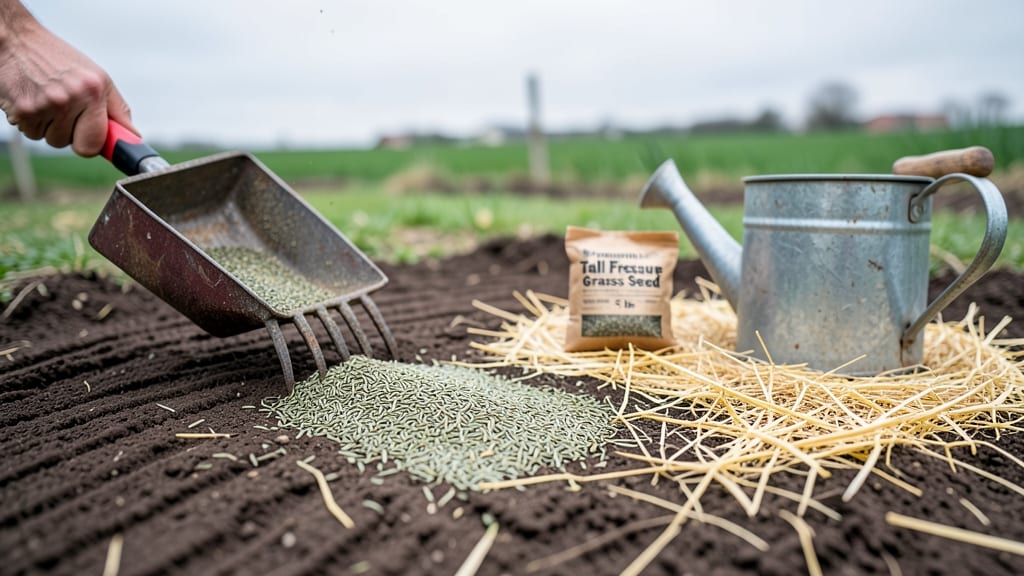
Missed the window? Don’t panic. Overseeding in late fall (November) can still work if temps stay above 40°F at night. Just use a light mulch (straw, not plastic) to protect seeds from erratic late-season frosts.
Remember: Indiana’s clay-heavy soils stay cold longer. If your soil thermometer reads below 55°F, wait—rushing leads to patchy, slow germination or seedling death. Patience here pays off with a thick, resilient lawn** that survives Hoosier winters.