
Planting
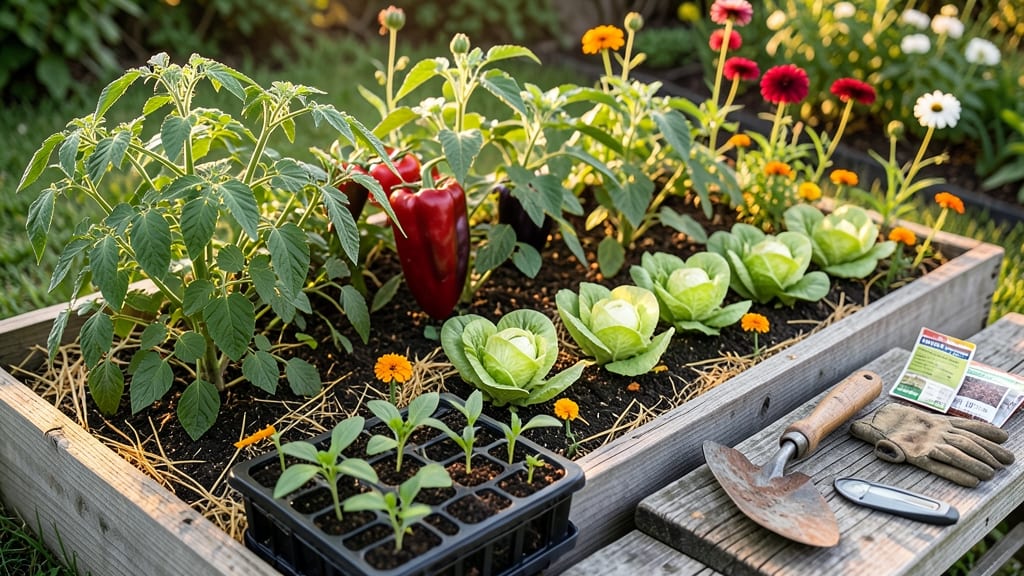
If you're asking "when to plant a garden in Arkansas", timing is the difference between a thriving harvest and a wasted season. Arkansas's 7a-8a zones mean your neighbors might be planting while you're still shoveling snow—or vice versa.
For most 🌱 General Garden varieties, the sweet spot arrives in March-April for spring planting, but warm-season crops like tomatoes and peppers need to wait until after the last frost (usually around April 15 in 8a). Fall planting? Aim for August-September to beat the first frost in November.
But here's the catch: Arkansas's humidity and unpredictable weather can throw off even the best-laid plans. That's why knowing your exact zone—and adjusting for soil temperature—isn't just helpful, it's essential. Let's break down the exact windows you need to follow for zero-frost success.
From cool-season greens to heat-loving peppers, we'll cover what to plant when, how to prep your soil, and even how to extend your growing season with simple tricks. Ready to turn your Arkansas garden into a year-round success story?
Arkansas planting calendar by USDA zone: exact months for vegetables, flowers, and herbs
Arkansas spans USDA zones 5b through 8a, creating a 200-mile temperature gradient from the Ozark Mountains to the Delta. In zone 5b (northern Arkansas), last frosts average March 15, while zone 8a (southern Arkansas) enjoys frost-free winters.
This diversity means your tomato seedlings might thrive in April in Little Rock but need to wait until May in Fayetteville.
To simplify, I’ve broken down planting windows by crop type and USDA zone, including both direct sowing and transplanting timelines.
For example, cool-season crops like spinach and broccoli can go in as early as February in zone 8a, while warm-season favorites like peppers and okra should wait until after May 1 statewide.
🌱Key rule: Always check your local frost-free date (find it via the National Weather Service or Arkansas Cooperative Extension) and adjust by 2-4 weeks based on your microclimate.
For cool-season vegetables, aim to plant 6-8 weeks before your last frost date. In zone 5b, that’s late February for hardy greens like kale, while zone 8a gardeners can start as early as December.
Pro tip: Use row covers to extend your season by 2-3 weeks in cooler zones.
Warm-season crops like tomatoes and peppers need soil temperatures above 60°F. Test your soil with a soil thermometer—if it’s below 60°F, wait! In zone 5b, this typically means late May, while zone 8a can start as early as mid-February for heat-loving plants.
🌿Perennial flowers like daylilies and coneflowers are the easiest to time—plant them in early spring (March–April) or fall (September–October) for best root establishment. Avoid planting perennials in summer heat, as they struggle to establish before Arkansas’ humid, oppressive summers kick in.
Fall planting is just as critical as spring. For a second harvest, sow cool-season crops like carrots and radishes 8-10 weeks before your first frost (typically September 15–October 15).
In zone 5b, this might mean planting by early September, while zone 8a can extend until mid-October.
🌡️Pro move: Use Arkansas Cooperative Extension’s Frost Probability Calculator to pinpoint your exact last frost date. Many gardeners in zone 6a–7a (like Little Rock) see last frosts between March 1–15, but microclimates near rivers or hills can shift this by 1–2 weeks.
Remember, Arkansas’ high humidity and sudden thunderstorms can stress young plants. Always water deeply after planting and use mulch to retain moisture, especially in zone 8a’s intense summer heat.
How to adjust planting times for Arkansas’ microclimates and soil conditions
Arkansas’ heavy clay soil and humidity swings can throw off even the best-laid planting plans. Unlike flat Midwest regions, Arkansas has microclimates—think river valleys staying warmer than hilltops, or urban areas baking faster than rural spots.
These variations mean your neighbor’s tomato harvest might thrive while yours struggles if you don’t adjust timing.
Start by testing your soil’s drainage and pH—Arkansas’ clay holds moisture like a sponge, inviting root rot if you plant too early. Aim for soil temps above 60°F before seeding warm crops like peppers or cucumbers. Use a soil thermometer; 50°F soil can stall germination for weeks.
In USDA Zone 5b (north Arkansas), wait until mid-April for frost-sensitive plants, while Zone 8a (south) can start as early as late February. Check your local frost-free date—Arkansas’ average last frost ranges from March 15 in the north to April 1 in the south.
Don’t ignore Arkansas’ sudden heat spikes—a 90°F day in May can shock young plants. Monitor nighttime temperatures: if they dip below 50°F, delay planting tomatoes or peppers until after Memorial Day. For container gardens, move pots to shaded areas during heatwaves.
Use succession planting to stretch harvests. In Zone 5b, sow radishes every 2 weeks from March to July. In Zone 8a, plant fall greens in August for October harvests. Arkansas’ long growing season lets you double-crop—replace early spinach with bush beans after it bolts.
Pro tip: Plant warm-season crops like squash or okra after soil reaches 70°F, even if calendar says “spring.” Arkansas’ humidity and heat mean traditional planting dates often need 2-week delays in the south.