
Plants
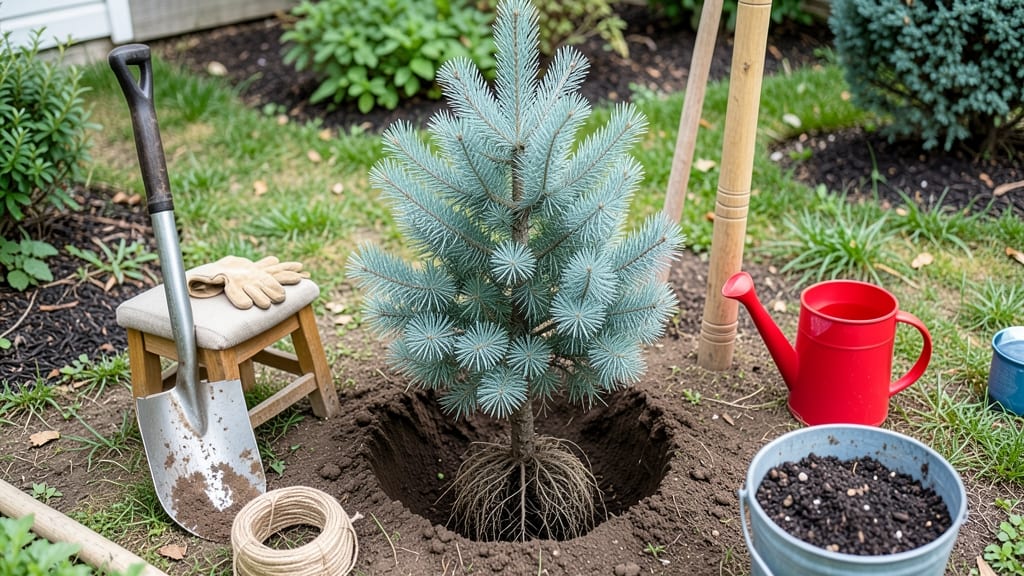
Timing your 🌳 tree planting in Colorado isn’t just about seasons—it’s about elevation, frost dates, and the hidden risks of planting too early or late. One wrong move, and your young tree could spend years struggling to survive Colorado’s dramatic climate shifts.
Let’s cut through the confusion. Whether you’re in Denver’s Front Range or the high desert of the Western Slope, the right planting window makes all the difference.
I’ll break down the best months for your specific microclimate, so you can avoid frost damage and give your tree the fighting chance it deserves.
From Rocky Mountain juniper to Colorado blue spruce, we’ll cover which trees thrive where—and how to prep your soil for success. No more guessing games: just proven strategies to help your tree grow strong from day one.
Ready to plant with confidence? Let’s dive into the perfect timing for your Colorado landscape, so your tree doesn’t just survive—it thrives.
Colorado tree planting calendar by elevation zone (and frost risk)
Colorado’s diverse elevation zones create wildly different planting conditions. At 5,280 feet in Denver, the last frost typically arrives by April 15, while high-altitude zones like Aspen (8,000 ft) may see frost until May 20.
Even nearby neighborhoods can vary by 2-3 weeks in frost timing—so check your local microclimate first.
For Front Range cities (Denver, Boulder, Fort Collins), aim to plant between late March and early April or September through October.
In Western Slope regions (Grand Junction, Durango), start 2-3 weeks earlier due to milder winters. Mountain zones (above 8,000 ft) should wait until after May 15 to avoid late frosts.
Soil temperature is just as critical as air temperature. Use a soil thermometer—roots need 45°F+ soil temps to establish. In high-altitude zones, soil may stay cold until June, delaying planting until late summer. Always test 3-4 inches deep where roots will grow.
🌱
| Zone | Elevation | Last Frost | Best Planting Window | Soil Prep Tip |
|---|---|---|---|---|
| Front Range | 5,000–7,000 ft | April 1–15 | Late March–April or September–October | Add compost + sand for clay soils |
| Western Slope | 4,000–6,000 ft | March 15–April 1 | Late February–March or August–September | Mulch with gravel + wood chips |
| Mountain Zones | 8,000–10,000+ ft | May 15–June 1 | Late May–June (only) | Use peat moss for poor drainage |
Fall planting is ideal for container-grown trees because cooler temps reduce transplant shock. But avoid planting after October 15 in most zones—roots need 6-8 weeks to establish before winter dormancy. In high-altitude areas, push planting to late August to prevent early frosts.
For bare-root trees, plant as soon as soil is workable (45°F+). Soak roots for 2-3 hours before planting to revive them. In dry climates, water immediately after planting—15-30 gallons for small trees—to eliminate air pockets around roots.
Colorado’s wind exposure is another hidden risk. In open fields or Western Slope areas, use windbreaks (like temporary fencing) for young trees. Native species like Rocky Mountain juniper handle wind better than non-natives like Bradford pear.
Always check USDA Hardiness Zone maps for your exact location—Denver’s zone 5b can feel like zone 4 in a frost pocket. Local Cooperative Extension offices offer free soil tests and microclimate advice tailored to your block.
🌿
Colorado tree planting calendar by elevation zone (and frost risk)
Colorado’s elevation zones create wildly different planting conditions. The Front Range (Denver, Boulder) has USDA zones 5-7 with last frosts around April 15, while the Western Slope (Grand Junction) sits in zone 6-7 with frosts arriving by October 15.
High-altitude areas like Vail (zone 4) face earlier frosts—sometimes as early as March 15—making timing critical.
Fall planting (September-October) is ideal for most zones, but high-elevation areas should wait until late May to avoid spring frosts. Container-grown trees offer flexibility—they can be planted year-round (except extreme cold), while bare-root trees need dormant-season planting (late fall or early spring).
Here’s your zone-by-zone planting calendar, including frost-free windows and soil prep tips tailored to Colorado’s microclimates:
| Zone | Last Frost | First Frost | Best Planting Window | Soil Prep Tip |
|---|---|---|---|---|
| Front Range (Denver, Boulder) | April 15 | October 15 | September 15–October 15 (fall) or April 1–May 15 (spring) | Amend clay soil with compost and sand for drainage. |
| Western Slope (Grand Junction) | March 15 | November 1 | September 1–October 31 (fall) or April 15–May 30 (spring) | Use mulch to retain moisture in arid soils. |
| High Altitude (Vail, Aspen) | May 15 | September 15 | Late May–June (spring) or August 15–September 15 (fall) | Test soil pH—aim for 6.0–7.5 for most species. |
Pro tip: Container-grown trees can be planted anytime soil isn’t frozen, but bare-root trees need dormant-season planting to establish roots before growth resumes. In high-altitude zones, prioritize drought-tolerant species like Rocky Mountain juniper or quaking aspen, which handle shorter growing seasons better.
After planting, water deeply (15–30 gallons) and mulch to protect roots. In urban areas, watch for heat islands—plant shade trees like Colorado blue spruce on the south side of homes to reduce summer stress.
Timing isn’t just about months—it’s about microclimates. Check your local CoCoRaHS station for frost data, and adjust for wind exposure (common in open areas). With the right window, your tree will thrive—not just survive.