Planting
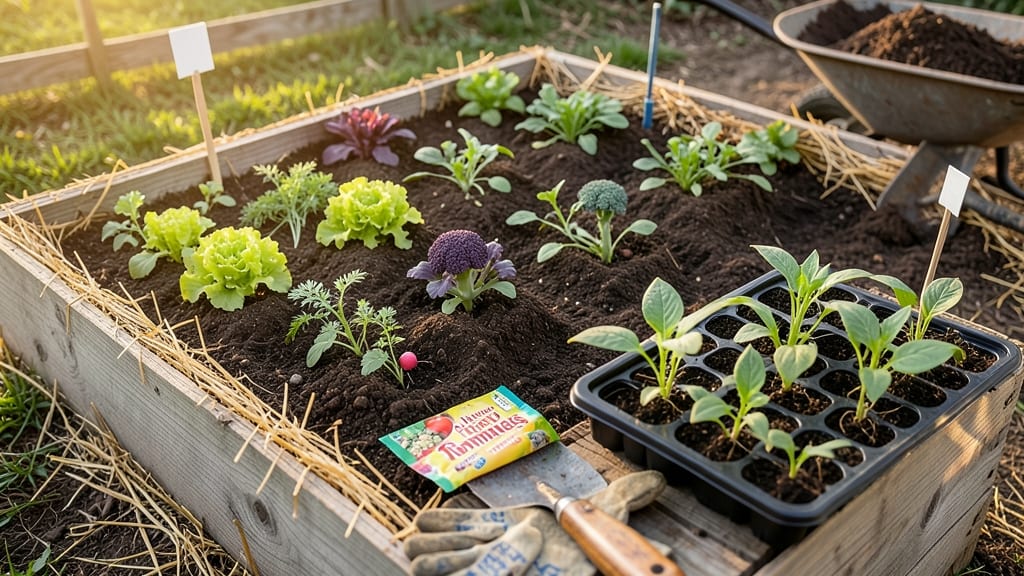
Timing when to plant a vegetable garden in New Jersey can mean the difference between a bountiful harvest and a sad, frost-bitten disappointment. With Zone 6B's unpredictable frosts, knowing when to plant isn’t just helpful—it’s essential for avoiding wasted effort and empty garden beds.
Whether you’re dreaming of crisp spring lettuce or juicy summer tomatoes, the key lies in understanding NJ’s two planting windows: spring (mid-March to mid-June) and fall (mid-July to mid-September). Miss these deadlines, and you might end up with crops that wilt before they ripen—or worse, never sprout at all.
I’ll break down the exact timing for cool-season and warm-season crops, plus how to adjust for NJ’s coastal vs. inland microclimates. By the end, you’ll know when to start seeds indoors, when to transplant, and which fast-growing veggies can still save your season if you’re late to the game.
Ready to turn your 🥬 garden into a thriving, frost-proof success? Let’s get started with the deadlines that matter most for your NJ plot.
NJ hardiness zone 6B planting deadlines by vegetable type
New Jersey’s Zone 6B climate means your planting timeline hinges on avoiding late spring frosts (usually around April 15) and preparing for fall frosts by mid-October.
Cool-season crops like spinach and peas thrive when planted 4-6 weeks before the last frost, while tomatoes and peppers need warm soil—aim for 2-4 weeks after the last frost date. Missing these windows can mean wilted seedlings or stunted growth.
For spring planting, start seeds indoors by March 1 for frost-sensitive plants like eggplants and okra.
Direct-sow radishes and lettuce as early as late March under row covers. Fall planting kicks off in mid-July for broccoli and kale, with green onions and spinach tolerating light frosts until October 15.
Here’s your NJ-specific planting timeline for key vegetables, organized by frost tolerance and ideal window:
| Vegetable | Spring Planting Window | Fall Planting Window | Notes |
|---|---|---|---|
| Spinach | Late March–April 15 | August 1–September 15 | Tolerates light frost; succession plant every 2 weeks. |
| Peas | Early March–April 1 | August 15–September 1 | Plant early for spring harvest; use trellis for space. |
| Tomatoes | April 30–May 15 (after frost) | Not recommended (too late) | Use heat-tolerant varieties like ‘Celebrity’ or ‘Solar Fire’. |
| Peppers | May 1–May 15 | Not recommended | Start indoors by March 15; transplant after soil warms to 60°F. |
| Broccoli | April 1–April 30 | July 15–August 15 | Fall crop prefers cooler temps; harvest before bolting. |
| Zucchini | May 15–June 1 | Not recommended | Prolific producer; harvest every 2–3 days to prevent overgrowth. |
| Green Onions | March 15–April 30 | August 1–September 30 | Cut-and-come-again; tolerates light frost. |
Pro tip: Use NJAES Frost Probability Maps to pinpoint your exact last-frost date—coastal areas like Cape May often warm up 2 weeks earlier than inland Morris County. For warm-season crops, wait until soil temps hit 60°F+ (test with a soil thermometer) to avoid stunted growth.
If you’re unsure about your local frost date, plant a test crop like radishes (they germinate in 3–5 days) to gauge soil conditions. For fall gardens, prioritize fast-maturing varieties (e.g., ‘Early Girl’ tomatoes or ‘Quickfire’ beans)
How to adjust planting times for NJ’s microclimates and frost risks
New Jersey’s last-frost dates aren’t one-size-fits-all—coastal areas like Cape May average 2-3 weeks earlier than inland spots near Newark. This means your true last frost could be April 15th in one county but May 1st just 50 miles away.
Without adjusting, you might plant tomatoes too early in the north or peas too late in the south.
Use the NJAES Frost Calculator (free tool) to pinpoint your exact date. Input your ZIP code, and it’ll show 10-year frost history for your microclimate. For example, Atlantic City gardeners can safely plant cold-hardy greens by March 15th, while Morris County waits until April 1st.
🌱
Frost Risk Adjustment Tips
Coastal NJ: Plant warm-season crops by April 1st—frost risk drops sharply after April 15th.
Inland NJ: Wait until May 1st for tomatoes/peppers—late frosts linger until May 10th in Zone 6B.
💡 Pro Tip: Check NJ Weather and Climate Network for real-time frost alerts during spring planting.
Extend your growing season with row covers (like floating tunnels) to protect early spring plantings. For example, spinach sown under cover in late February can be harvested by April—a full month earlier than uncovered plants.
In fall, use black plastic mulch to warm soil and plant kale by August 1st for a November harvest.
For frost-sensitive plants like eggplants, start seeds indoors 8-10 weeks before your last frost. Use grow lights to simulate 14-hour days—this trick helped my peppers reach transplant size by May 1st, beating the Zone 6B heatwave.
Monitor soil temperatures with a thermometer—warm-season crops need soil at 60°F+ to germinate. In northern NJ, this often means waiting until late May for cucumbers, while southern NJ can plant by April 20th. Adjust your schedule based on 3-inch soil temps, not air temps.
🌡️