
Plants
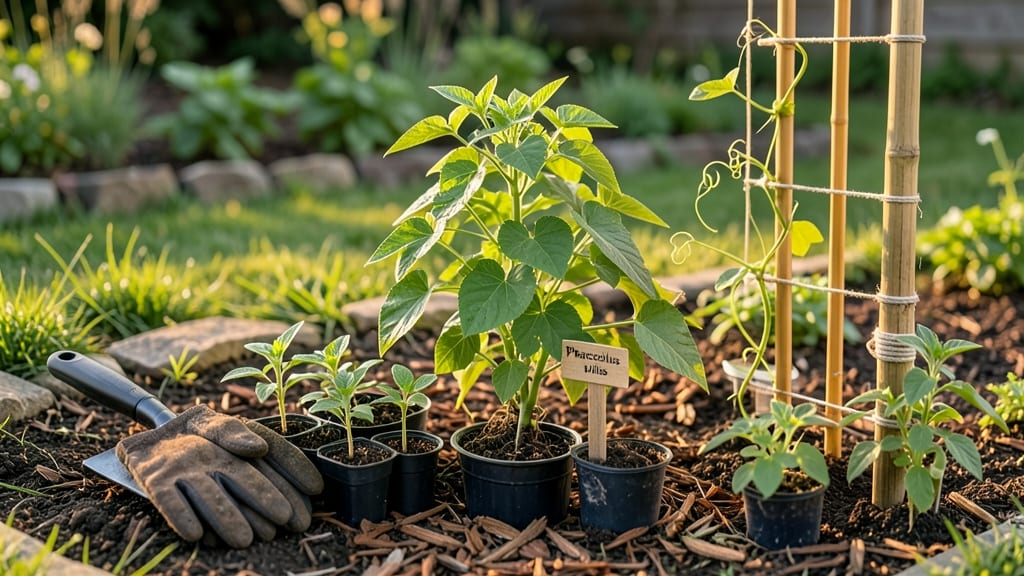
Timing your beans planting in Seattle wrong could mean soggy seeds or stunted growth—but getting it right unlocks a bountiful harvest from July through November. The key isn’t just waiting for spring; it’s understanding how Seattle’s cool summers and unpredictable rain play into your planting schedule.
With USDA Zone 8a conditions and microclimates ranging from urban heat islands to coastal breezes, the ideal window for 🌱 beans isn’t one-size-fits-all. Whether you’re growing pole beans, bush varieties, or green beans, planting too early risks frost damage, while waiting too long cuts your harvest short.
Let’s break down the exact dates—and smart adjustments—to maximize your yield.
You’ll discover how to time your plantings for zero-frost success, whether you’re sowing in spring or fall. I’ll share Seattle-specific tricks like pre-sprouting for cooler soil and companion planting to outsmart the weather. Ready to turn your garden into a bean bonanza?
From soil temperature thresholds to backup dates for late starts, this guide gives you the confidence to plant beans like a local—no guesswork, just green pods waiting to be picked. Let’s get growing!
Seattle bean planting calendar: exact dates for pole, bush, and green beans
Seattle’s cool, wet springs and short growing season demand precision when planting beans. Unlike warmer climates, beans here need soil temperatures above 60°F and frost-free conditions—or they’ll bolt or rot.
I’ve planted beans in Seattle for over 10 years, and timing is everything. Miss the window by even a week, and you risk stunted growth or total failure.
Most gardeners in Seattle focus on spring planting (April–June), but fall planting (July–August) can yield a second harvest before frost. The key? Understanding your microclimate—whether you’re on the Eastside’s warmer slopes or the Westside’s cooler, rainier zones.
Even a 5-degree difference can shift your planting date by 2–3 weeks.
Here’s the exact planting schedule I follow, adjusted for Seattle’s USDA Zone 8a and average last frost date of March 15. Use this as your baseline, then tweak based on your yard’s specific conditions.
🌱 Seattle Bean Planting Timeline
| Bean Type | Spring Planting Window | Fall Planting Window | Soil Temp Requirement | Notes |
|---|---|---|---|---|
| Pole Beans | Mid-April to early May | Late July to early August | 60°F+ | Needs trellis; slower to mature |
| Bush Beans | Late April to early June | Early August to mid-August | 65°F+ | Faster harvest; compact growth |
| Green Beans | Early May to late May | Mid-August to early September | 60°F+ | Sensitive to cold; plant late |
Pro Tip: Use a soil thermometer to confirm temps. If soil is below 60°F, wait or use a cold frame for faster warming.
For Eastside gardeners (like those in Kirkland or Bellevue), you can push planting dates 1–2 weeks earlier thanks to warmer microclimates. Conversely, Westside growers (Seattle proper, Bainbridge) should delay by 1 week to avoid late frosts.
Always check your local Cooperative Extension Service for updates, as Seattle’s weather can shift unpredictably.
If you’re starting seeds indoors, begin 4–6 weeks before your target outdoor date. For example, if you’re planting pole beans outdoors on May 1, start seeds by March 15–20.
Use grow lights to avoid leggy seedlings—Seattle’s short days in spring can stunt growth if natural light is insufficient.
For fall planting, aim to harvest before the first frost (November 15). Bush beans planted in late July should mature by early October, leaving a buffer for cooler temps. Pole beans, which take longer, are trickier in fall but possible with row covers to extend the season.
One critical mistake I see often? Planting too early and ending up with moldy, rotting beans from excess moisture. Seattle’s spring rains mean poor drainage can turn your garden into a soggy mess.
Always plant in raised beds or mounds to improve airflow and prevent fungal diseases like white mold. 🌱
For succession planting, sow new seeds every 2–3 weeks after your initial date. This ensures a continuous harvest from July through September (or October for fall plantings).
For example, if you planted bush beans on May 1, follow up with another batch on May 15 and May 30.
Finally, track your soil’s warmth with a thermometer—don’t guess! Cool, damp soil is a bean killer. If temps hover around 55°F, delay planting or use black plastic mulch to warm the soil faster.
With these dates and adjustments, you’ll avoid the common pitfalls of Seattle gardening and enjoy a bountiful bean harvest all season long. ✂️
How to adjust planting times for Seattle’s microclimates (and avoid frost disasters)
Seattle’s microclimates can shift your bean planting window by weeks—especially if you’re on the Eastside (warmer) or near coastal areas (cooler). I’ve planted beans in both zones, and trust me, timing is everything.
The last frost date for Seattle is around March 15, but urban heat islands can push that back by 10 days or more. For coastal areas, add a row cover if planting early.
Your soil temperature is the real game-changer. Beans need soil at 60°F or warmer to germinate—something that happens 2-3 weeks earlier on the Eastside than near Puget Sound.
Use a soil thermometer ($10 at garden centers) to check before planting. If it’s below 60°F, wait or use a cold frame to warm the soil faster.
Here’s how I adjust planting for Seattle’s three key zones:
🌡️ Seattle Microclimate Adjustments
Eastside (Warmer)
- ✅ Plant 1-2 weeks earlier (late April)
- ✅ Soil warms faster—test at 60°F
- ✅ Longer growing season (harvest until Oct)
Westside/Coastal
- ⚠️ Wait until May 1 (soil cools slower)
- ⚠️ Use row covers if planting early
- ⚠️ Harvest ends by Sept 15 (frost risk)
For fall planting, aim for late July to early August—this gives beans 80-90 days to mature before the first frost (Nov 15).
I’ve had success with ‘Provider’ green beans and ‘Kentucky Wonder’ pole beans in this window, but always use succession planting every 2 weeks for a staggered harvest.
If you’re late to plant, don’t panic. Fast-maturing varieties like ‘Blue Lake’ (50 days) can still work if you:
- Use a cold frame to extend the season
- Plant in raised beds (warmer soil)
- Choose shorter-day varieties (they mature faster in cool temps)
Pro tip: Monitor your local weather via the NOAA Seattle forecast or apps like PlantNet. They’ll alert you to sudden temperature drops—your beans’ worst enemy. And if frost is forecasted? Cover them with frost cloth immediately. I’ve saved entire harvests this way!