
Plants
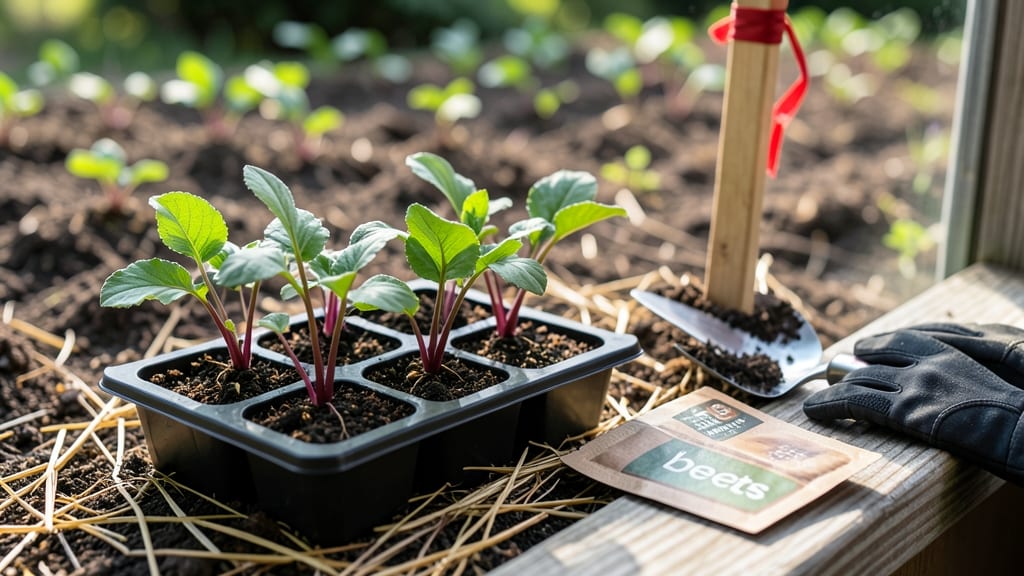
Knowing when to plant beets in Zone 7a can mean the difference between a bumper crop of sweet, tender 🍠 and a sad harvest of bitter, tough roots. The key?
Timing your plantings to avoid the brutal summer heat that triggers bolting—those flower stalks that ruin your harvest before you even get a chance to enjoy them.
In Zone 7a, your best bets are early spring (March-April) or late summer (July-August), when soil temperatures stay in that sweet spot of 40°F to 75°F.
Plant too early, and frost might slow them down; too late, and the heat will send them bolting faster than you can say "beet salad." But don’t worry—I’ll show you exactly how to nail those windows and keep your beets happy all season.
Whether you’re a first-time gardener or a seasoned pro, these soil temperature tricks will help you avoid common mistakes that lead to wasted effort. We’ll cover everything from succession planting to mulching for heat tolerance, so you can enjoy fresh beets from June through November without the stress.
Ready to grow beets that actually taste good? Let’s dive into the perfect planting schedule for Zone 7a—so you can harvest sweet, juicy roots instead of bolting disappointment.
Ideal planting windows for beets in Zone 7a (soil temp guide)
Beets thrive when planted during cooler months in Zone 7a, where summer heat can trigger bolting—the dreaded flowering that turns sweet roots bitter. The secret lies in soil temperature, which should stay between 40°F and 75°F for optimal growth.
In my garden, I’ve found that timing seeds to align with these temps makes all the difference.
For spring plantings, aim to sow seeds as soon as the soil warms to 40°F—typically in late March to early April in Zone 7a. This gives beets enough time to mature before summer heat sets in.
I’ve had the most success with ‘Detroit Dark Red’, which handles cooler soils better than some varieties.
If you prefer fall harvests, focus on late July to early August plantings. By this time, the soil has cooled slightly, and beets can develop without bolting. Just be sure to harvest before the first frost, usually around mid-November in Zone 7a.
Direct sowing is the best method for beets—transplants struggle to adapt to soil changes. I plant seeds ½ inch deep, spacing them 1 inch apart in rows 12 inches apart.
Thin seedlings to 3 inches apart once they sprout to prevent overcrowding, which stresses plants and invites pests.
In Zone 7a, succession planting every 2 weeks during spring and summer ensures a steady harvest. For example, I’ll plant a new row in mid-April, late April, and early May to stagger maturity. This way, I always have fresh beets without overwhelming my garden at once.
Watch for soil moisture—beets need consistent dampness but hate soggy roots. I water deeply in the morning, aiming for 1 inch per week, and always check soil moisture before watering.
A simple finger test tells me if the top inch is dry, which is the ideal time to water.
If you’re new to growing beets, start with ‘Babybeat’ or ‘Golden’ varieties—they’re more forgiving for beginners. These types mature faster and tolerate slight heat better than traditional beets, making them perfect for Zone 7a’s hotter summers.
Remember, bolting is your enemy in Zone 7a’s heat. By planting at the right time and providing shade during peak afternoon sun, you can extend your beet season well into fall. With these soil temp tricks, you’ll enjoy sweet, tender beets all season long! 🌱
Ideal planting windows for beets in Zone 7a (soil temp guide)
In Zone 7a, beets thrive when soil temperatures stay between 40°F and 75°F. Planting at the wrong time leads to bolting (premature flowering) or poor growth. I’ve learned the hard way—skipping these soil temp rules means bitter, tough beets instead of sweet, tender ones!
Your best planting windows are early spring (March-April) and late summer (July-August). Spring plantings give you harvests by June, while summer plantings yield fall beets. But timing isn’t just about months—it’s about soil warmth.
| Planting Window | Soil Temp | Action | Notes |
|---|---|---|---|
| Early Spring (March-April) | 40°F-55°F | Direct sow seeds | Start when soil reaches 40°F; avoid frost |
| Late Summer (July-August) | 60°F-75°F | Succession plant every 2 weeks | Harvest before first frost (Nov 15) |
| Fall (September) | 50°F-65°F | Direct sow for winter harvest | Use cold-hardy varieties like 'Detroit Dark Red' |
For spring plantings, wait until 2-3 weeks after your last frost date (usually mid-March in Zone 7a). Use a soil thermometer—beets need consistent warmth to germinate. If soil is too cold, seeds rot instead of sprouting.
In late summer, aim for July-August plantings to beat the heat. Beets struggle when soil exceeds 75°F, so mulch heavily with straw to keep roots cool. I’ve had success with shade cloth (30-50%) over young seedlings during peak afternoon sun.
Pro tip: Test soil moisture before planting. Beets need consistent moisture but hate soggy soil. Amend clay soil with compost to improve drainage—waterlogged roots lead to rot, not sweetness.
Remember, soil temperature matters more than air temperature. Even if spring air feels warm, cold soil will delay germination. Use a soil thermometer to confirm readiness—it’s the only way to guarantee success in Zone 7a’s unpredictable climate.