
Companion Plants
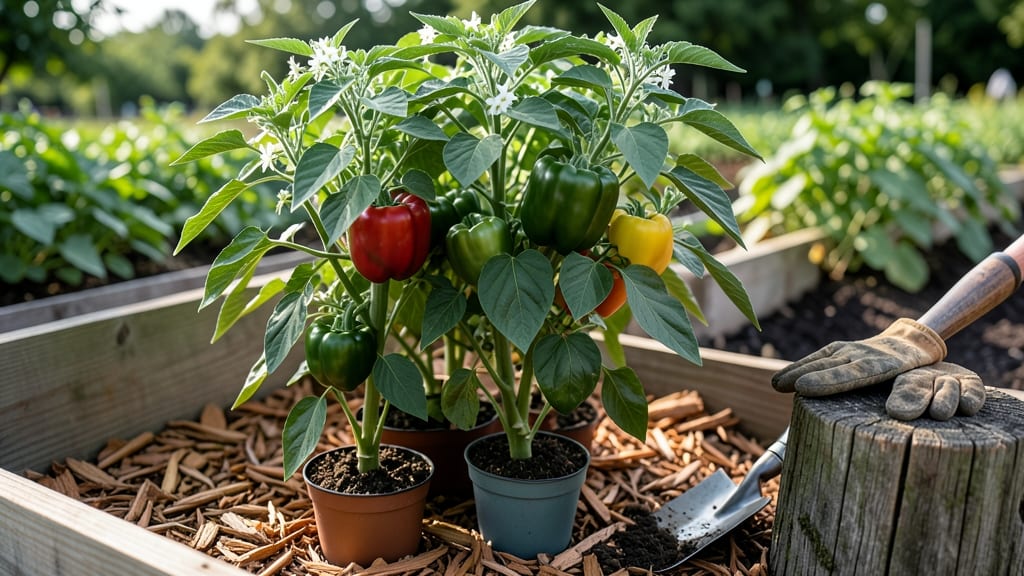
Knowing when to plant bell peppers in PA can mean the difference between a bountiful harvest and wasted effort. With Pennsylvania's varied climate—from chilly USDA Zone 5b to milder Zone 7a—timing isn’t just important, it’s critical.
Plant too soon, and frost will nip your 🌶️ seedlings in the bud. Wait too long, and you might miss the entire growing season.
Most gardeners in the Keystone State start their bell peppers indoors by early March, then transplant them outdoors between April 15 and May 15, once soil temperatures hit a steady 60°F.
But don’t just guess—soil warmth is the real game-changer here. Cold soil won’t germinate seeds, and even if they sprout, your plants will struggle to thrive.
What you’ll discover in this guide is how to align your planting schedule with Pennsylvania’s frost-free dates, soil conditions, and even clever tricks to extend the growing season.
Whether you’re a first-time gardener or a seasoned pro, these insights will help you avoid common mistakes and maximize your yield from July through October.
Ready to grow peppers that thrive? Let’s break down the exact steps—from seed to harvest—so you can enjoy fresh, homegrown 🌶️ all season long.
PA planting zones & frost-free dates for bell peppers
Pennsylvania’s diverse climate—from the cool mountains to the warmer valleys—means bell pepper planting times vary dramatically. The state spans USDA zones 5b through 7a, with last frost dates ranging from mid-April in the south to late May in the north.
To succeed, focus on soil temperature (not just air temperature) and your specific zone’s frost-free window.
Bell peppers are heat-loving annuals that won’t thrive until soil warms to 60°F (15°C) for germination and 70°F (21°C) for planting. In PA, this typically aligns with late April to mid-May, but cooler zones like Erie (5b) may need to wait until early June.
Always check a local frost calendar or use a soil thermometer to avoid risky early planting.
Here’s how to align your planting with PA’s zones, frost dates, and soil warmth requirements:
For direct sowing, wait until soil is 60°F+ and all frost risk has passed. In cooler zones, transplanting seedlings (started indoors 8–10 weeks before last frost) gives you a head start. Use black plastic mulch to warm soil faster if needed—it can raise temperatures by 5–10°F.
Pro tip: Succession plant every 2 weeks in May–June for continuous harvests. Shorter-season varieties like ‘Early California Wonder’ (60 days) work well in zone 5b, while ‘Jupiter’ (75 days) thrives in zone 7a. Always check seed packets for days to maturity and count backward from your first frost date.
If you’re unsure about your zone, use the USDA Plant Hardiness Zone Map or ask your local Cooperative Extension office for hyper-local advice. They often track microclimates that aren’t captured in broad zone maps—like urban heat islands or protected valleys.
Remember: Bell peppers hate cold. Even a light frost can kill seedlings, so monitor forecasts and have row covers ready. In my garden, I’ve lost entire plantings by ignoring this rule—don’t make the same mistake!
Next, we’ll cover how to extend your growing season in PA’s unpredictable climate, including low-tech tricks to push your harvest later into fall. 🌶️
PA planting zones & frost-free dates for bell peppers
Pennsylvania spans USDA Zones 5b to 7a, meaning frost dates vary dramatically from northern to southern regions. In Zone 5b (e.g., Erie), the last frost typically hits April 25, while Zone 7a (e.g., Philadelphia) sees frost-free conditions by April 10.
Bell peppers need warm soil (60°F+) and no frost risk, so timing is critical.
Direct-sowing bell peppers outdoors is risky in PA unless you use black plastic mulch to warm soil. Most gardeners start seeds indoors 8-10 weeks before the last frost date. For Zone 5b, that means sowing by February 15, while Zone 7a gardeners can wait until March 15.
Transplanting seedlings outdoors should only happen after soil reaches 70°F+—use a soil thermometer to confirm. In most of PA, this aligns with late May to early June. Early planting risks cold soil, which stunts growth and invites disease.
| USDA Zone | Avg. Last Frost | Soil Temp. for Planting | Ideal Planting Window |
|---|---|---|---|
| 5b (Erie, State College) | April 25 | 70°F+ (late May) | May 15–June 1 |
| 6a (Harrisburg, Scranton) | April 15 | 70°F+ (early May) | May 1–May 15 |
| 7a (Philadelphia, Pittsburgh) | April 10 | 70°F+ (late April) | April 25–May 10 |
For direct sowing (riskier in PA), wait until soil is 75°F+ and nighttime temps stay above 55°F. In Zone 6a, this is usually late May, while Zone 7a can attempt it by mid-May. Always cover seedlings with frost cloth for the first 2 weeks.
Pro tip: Use a planting calendar like the Penn State Extension tool to track your local frost dates. In PA, the 10-year average can shift frost dates by 1–2 weeks, so flexibility is key. Start seeds 4 weeks earlier if your area trends colder.
If you’re in northern PA (Zone 5b), consider short-season varieties like ‘Early Cal Wonder’ (60 days) or ‘King of the North’ (70 days). Southern PA gardeners can experiment with longer varieties like ‘Jupiter’ (80 days) for a fall harvest.