
Plants
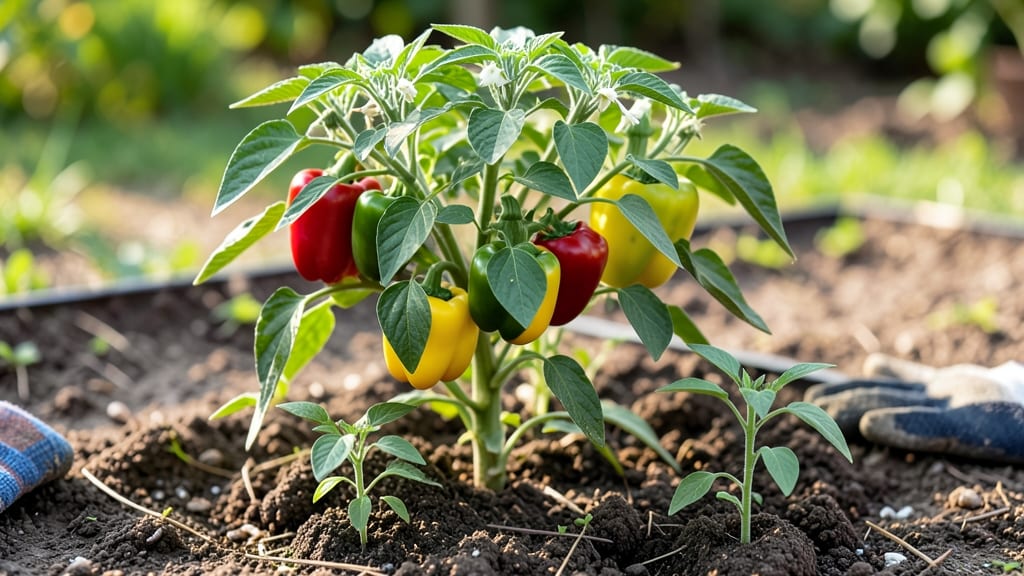
If you’ve ever wondered when to plant bell peppers in South Florida, you know timing is everything in the region’s unpredictable climate.
The wrong planting window can turn your garden into a high-stakes gamble—too early, and heat stress ruins your crop; too late, and you miss the peak harvest season entirely.
Here’s the secret: South Florida’s 10b-11 zone lets you plant bell peppers year-round, but the real magic happens in staggered batches—avoiding the brutal summer heat while capitalizing on mild fall days.
I’ll show you exactly when to start seeds or transplant for a continuous harvest, so you’re never left with empty vines.
From soil prep to spacing tricks, we’ll cover how to beat humidity, pests, and even Florida’s infamous afternoon thunderstorms. Whether you’re a first-time gardener or a seasoned pro, these heat-smart strategies will keep your peppers thriving when others give up.
Ready to turn your backyard into a pepper powerhouse? Let’s dive into the perfect planting schedule that actually works in South Florida’s wild weather.
Optimal bell pepper planting windows in South Florida (with heat tolerance zones)
South Florida’s frost-free climate means you can grow bell peppers year-round, but timing still matters. The key is avoiding peak summer heat (June-August) when temperatures often exceed 90°F, triggering bolting—the nightmare where peppers flower prematurely instead of maturing.
Instead, focus on spring and fall planting for the best balance of warmth and manageable humidity.
Your USDA Zone 10b-11 location gives you flexibility, but microclimates vary. Miami’s coastal breezes moderate heat better than inland Tampa or Naples, where summer temps can spike higher.
For example, Naples’ July averages hit 92°F, while Miami stays around 88°F. Use this to your advantage by adjusting planting windows 1-2 weeks earlier in coastal areas.
Here’s the golden rule: Plant when soil temps hit 65°F+ and daytime highs stay below 90°F. This typically aligns with January through March for fall crops and September through November for spring crops. Avoid April-May and July-August unless you’re using shade cloth or heat-tolerant varieties.
For continuous harvests, stagger plantings every 2-3 weeks from September to November (spring) and January to March (fall). This ensures peppers mature during cooler months while avoiding the stress of extreme heat.
Even in winter, December plantings can work if you protect seedlings from unexpected cold snaps (rare but possible near Naples’ inland areas).
If you’re container gardening, you have even more control. Move pots to shadier spots during 10 AM–3 PM in summer or place them under 30% shade cloth to lower soil temps by 5–10°F. This trick lets you extend the growing window into early summer or late fall.
Pro tip: Use a soil thermometer to check temps before planting. 65°F+ is ideal, but 70–85°F is perfect for germination and growth. If your soil runs hotter than 90°F, wait or use mulch to insulate roots.
| Planting Window | Ideal Soil Temp | Daytime Highs | Notes |
|---|---|---|---|
| January–March (Fall Crop) | 65–75°F | 75–85°F | Best for full-size peppers; avoid frost risk (none in SFLA, but coastal breezes help). |
| September–November (Spring Crop) | 70–80°F | 80–90°F | Stagger plantings for continuous harvest; use shade cloth if temps rise above 90°F. |
| April–May (Risky) | 75–85°F | 90–95°F | High bolting risk; use heat-tolerant varieties like ‘Carmen’ or ‘Aristotle’. |
| July–August (Avoid) | N/A (Too hot) | 95–100°F | Peppers bolt or grow poorly; save for container gardening with heavy shade. |
| December (Winter Option) | 60–70°F | 70–80°F | Slow growth; protect from rare cold snaps with row covers. |
One common mistake? Assuming “year-round” means “anytime”. While true, peak summer (June–July) is the worst time unless you’re using dwarf varieties like ‘Snackable’ or ‘Lunchbox’, which tolerate heat better. For these, direct-sow in late May under 50% shade cloth and harvest before August’s heat peaks.
For maximum yield, pair your planting window with succession planting. For example, sow 3 sets of seeds in September, October, and November to ensure
Optimal bell pepper planting windows in South Florida (with heat tolerance zones)
South Florida’s year-round growing season means you can plant bell peppers almost anytime—but timing still matters. Unlike northern climates, we don’t have frost to worry about, but heat stress and bolting become major threats when temperatures soar above 90°F (32°C).
The sweet spot? Plant when daytime highs stay between 75°F and 85°F (24-29°C) for steady, flavorful growth.
Your best windows are early spring (February-March) and late summer (August-September). These months offer warm soil and milder air, reducing stress. Avoid planting during peak summer (June-July) unless you’re prepared for extra shade and irrigation. Even then, some varieties will bolt faster than others.
Here’s how South Florida’s microclimates differ—and why your location matters:
| Zone | Best Planting Window | Heat Threshold | Key Risk |
|---|---|---|---|
| Miami (Zone 11) | Jan–March, Aug–Sept | Avoid >88°F | Humidity + fungal diseases |
| Tampa (Zone 10a) | Feb–April, July–Sept | Avoid >90°F | Bolting in summer |
| Naples (Zone 11) | Dec–Feb, Sept–Nov | Avoid >85°F | Salt spray damage |
For Miami and Naples, prioritize winter planting (Dec–Feb) to escape summer’s relentless humidity. In Tampa’s hotter inland areas, staggered plantings in spring and fall work best. Pro tip: Use a soil thermometer—bell peppers need soil temps above 65°F (18°C) to thrive.
If your soil runs cooler (common in shaded spots), wait until it warms up.
Another trick? Stagger your plantings every 2–3 weeks. This ensures a continuous harvest and spreads out the risk of heat stress. For example, plant one batch in late February and another in early September—you’ll have peppers ready to pick for most of the year.
Just watch for aphids and spider mites, which thrive in Florida’s heat and can stress young plants.
Lastly, choose heat-tolerant varieties like ‘Carmen,’ ‘Jupiter,’ or ‘Aristotle’—these handle South Florida’s climate better than standard grocery-store peppers. Pair them with mulch to keep roots cool, and you’ll be well on your way to a bountiful, bolting-free harvest.