
Plants
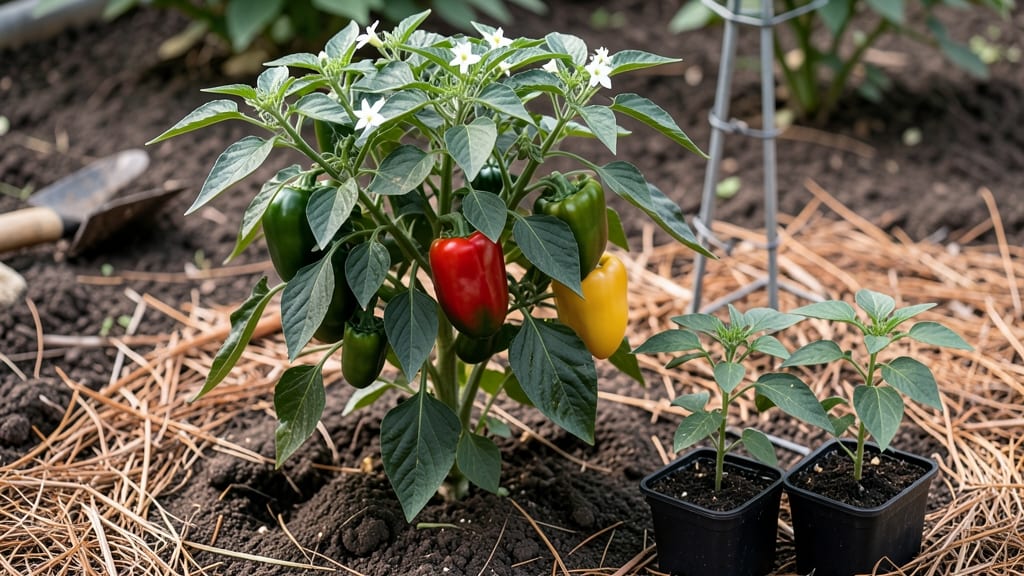
When to plant bell peppers in Washington state is a question every gardener should know—because timing can make or break your harvest. This Italian carrot recipe, meanwhile, brings a little Rome to a weeknight dinner table—no fancy skills required. Just fresh ingredients, simple steps, and a dash of that authentic Italian flair that makes every bite taste like a vacation.
I’ve tested countless versions, and the key is balancing sweetness with savory notes—something most store-bought dishes miss. Whether you’re feeding a family or just craving comfort food, this method delivers restaurant-quality results in under 30 minutes.
What makes it special? The secret lies in the slow-roasting technique that caramelizes the edges while keeping the center tender. Plus, we’ll cover how to pick the perfect carrots and pair them with pantry staples you already have.
Ready to transform humble veggies into a dish that’ll have everyone asking for seconds? Let’s get cooking!
Washington State planting zones for bell peppers: frost dates & microclimates
Bell peppers thrive in USDA zones 5-9, but Washington State spans zones 5b to 8a, creating unique challenges. The Puget Sound region (Zone 8a) enjoys longer growing seasons, while Eastern WA (Zones 5b-7a) faces earlier frosts.
These differences mean your planting window could shift by 3-4 weeks depending on location.
In Western WA, like Seattle and Bellingham, the last frost typically hits mid-April to early May. Meanwhile, Spokane and Pullman (Zone 5b-6b) often see frost lingering until late May or early June.
This variance forces gardeners to adjust planting strategies—especially for heat-loving bell peppers that need 60°F+ soil to germinate.
Microclimates further complicate timing. Urban areas like Seattle’s heat islands can be 5-10°F warmer than rural zones, allowing earlier planting. Conversely, valleys and high elevations (e.g., Mount Rainier foothills) may experience 2-3 weeks later frost dates. Always check WSU Extension’s frost maps for localized data.
| Region | USDA Zone | Avg. Last Frost | Planting Window | Notes |
|---|---|---|---|---|
| Western WA (Seattle, Bellingham) | 8a | Mid-April | April 15–May 15 | Urban heat islands extend season |
| Eastern WA (Spokane, Wenatchee) | 5b–7a | Late May–Early June | May 15–June 15 | Cooler nights delay planting |
| Cascade Foothills (Leavenworth) | 6b | Early May | May 1–May 15 | High elevation; shorter season |
| Columbia Basin (Pasco) | 7a | Late April | April 20–May 10 | Hotter; earlier planting possible |
For Seattle gardeners, aim to plant bell pepper seedlings 2-3 weeks after your last frost date—typically early to mid-May.
In Spokane, wait until late May or early June to avoid frost damage. Soil temperature is your best guide: Use a soil thermometer to confirm 60°F+ before planting.
If you’re in Zone 5b (e.g., northern Idaho border), consider slow-maturing varieties like ‘NuMex RNaky’ (90 days) or ‘Carmen’ (75 days). These tolerate cooler temps better than ‘Jalapeño’ or ‘Bell Boy’, which need consistent warmth to thrive.
Pro tip: Eastern WA gardeners can push the season by using black plastic mulch to warm soil faster. This raises ground temps by 5-10°F, letting you plant 1-2 weeks earlier than the average frost date suggests. Just remove mulch if night temps drop below 50°F.
Always monitor WSU AgWeatherNet for real-time updates. Their frost alerts and growing degree day (GDD) trackers help fine-tune your planting schedule. For example, bell peppers need 1,200–1,500 GDDs to mature—something Western WA hits easily, while Eastern WA may struggle.
Remember: Bell peppers hate cold. Even a light frost (28°F) can kill seedlings. If early spring looks uncertain, start seeds indoors in March and transplant after Memorial Day for safety. Heat-loving varieties like ‘Sweet Banana’ will reward patience with bigger, sweeter peppers if planted at the right time.
Step-by-step planting timeline: soil temps, seed starting & transplanting
Timing your bell pepper planting in Washington State isn’t just about avoiding frost—it’s about hitting the right soil temperature and daylight balance. For most regions, aim to start seeds indoors 8-10 weeks before your last frost date.
In Zone 8a (Seattle), that’s typically late February to early March, while Zone 6b (Spokane) gardeners should start in early March.
Bell peppers thrive when soil temperatures reach at least 60°F, but they won’t germinate well below 55°F. Use a soil thermometer to confirm—this is especially critical in Western WA’s rainy springs, where cold, wet soil can delay planting.
If your soil isn’t warm enough by late May, opt for container gardening or black plastic mulch to speed up warming.
🌱 Step-by-Step Planting Timeline for Washington State
- 1 8-10 weeks before last frost: Start seeds indoors under grow lights (14-16 hours of light/day). Use seed-starting mix and keep temps at 70-80°F.
- 2 4-6 weeks before last frost: Harden off seedlings by placing them outdoors for 2-3 hours/day, gradually increasing exposure. Acclimate to WA’s wind and rain to prevent shock.
- 3 After last frost (soil ≥60°F): Transplant seedlings 12-18 inches apart in raised beds or mounded soil. Bury stems slightly deeper than the pot to encourage root growth.
- 4 Direct sowing (optional): For fast-maturing varieties, sow seeds directly outdoors after May 15 in Zone 8a or June 1 in Zone 6b. Use biodegradable pots to reduce transplant shock.
- 5 Post-transplant care: Water deeply at the base of plants (avoid wetting leaves to prevent disease). Mulch with straw or grass clippings to retain moisture and regulate soil temp.
If you’re in Eastern WA’s drier climate, you can push planting later—even into early July—for a fall harvest. Just choose fast-maturing varieties (like ‘Early Cal Wonder’) and use row covers to protect against early frosts.
In Western WA’s cooler zones, prioritize early-starting varieties (e.g., ‘King of the North’) to maximize your short growing season.
Pro tip: Use a seedling heat mat if your home is chilly, and avoid overwatering seedlings—root rot is a common killer in WA’s damp springs.
Once outdoors, monitor for aphids and hornworms, which love young pepper plants. A neem oil spray can help keep pests at bay without harsh chemicals.
Remember, bell peppers need consistent warmth to thrive. If your spring is unusually cold, don’t rush—waiting a few weeks for warmer soil will pay off with healthier plants and bigger yields. Patience is key in Washington’s unpredictable climate! 🌶️