
Plants
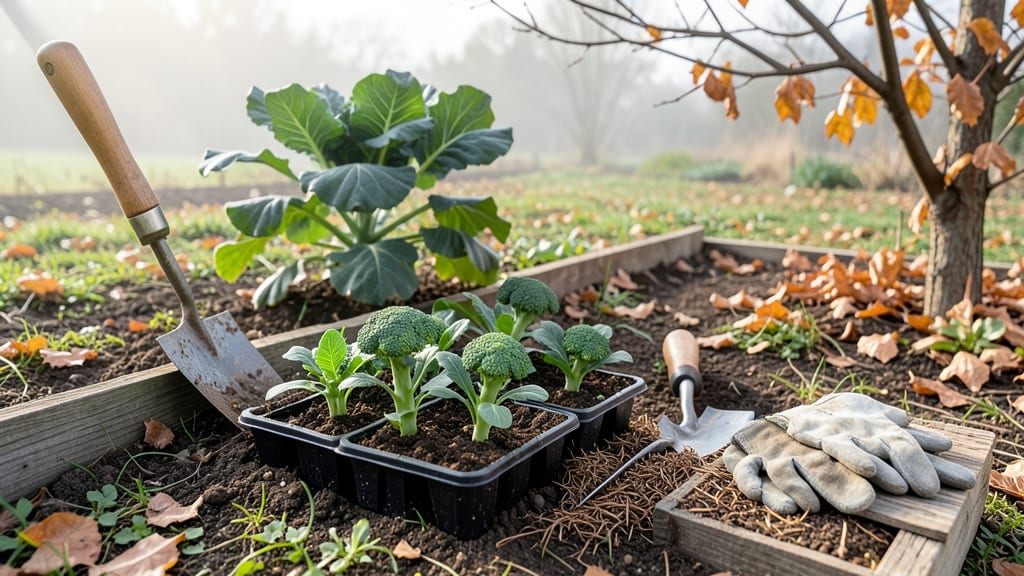
Planting broccoli 🥦 in Central Texas isn’t just about sticking seeds in the ground—it’s about outsmarting the heat. If you’ve ever watched your plants bolt under 100°F+ temps, you know timing is everything.
The secret lies in two narrow windows: late summer for fall harvests and early spring for spring crops, both designed to dodge scorching afternoons.
Most gardeners in USDA Zone 8a miss the mark by planting too late in spring or too early in fall, leaving them with bitter or nonexistent yields.
But with the right schedule—late August to early September for fall and February to early March for spring—you’ll align perfectly with cooler weather. This isn’t just theory; it’s a battle-tested strategy from Texas A&M experts to maximize your garden’s potential.
What sets successful Texas broccoli growers apart? They choose heat-tolerant varieties like ‘Waltham 29’ and prepare their soil with organic matter to retain moisture. Skipping these steps means risking bolting (when plants flower prematurely) or stunted growth.
I’ll walk you through the exact prep work, planting depth, and watering tricks to keep your 🥦 thriving until harvest in October-November or April-May.
Ready to grow broccoli that actually makes it to your plate? Let’s dive into the 4-step planting plan—from soil prep to harvest—that’s worked for Central Texas gardeners for decades. No more guesswork, just reliable, heat-smart results.
Best planting schedule for broccoli in Central Texas: cool-season timing
Central Texas’s USDA Zone 8a climate means broccoli thrives only in cool-season windows. The key is planting 4-6 weeks before the first frost (mid-November) or 4-6 weeks before the last frost (mid-February).
Outside these windows, your plants will bolt—or worse, wither in the heat. Let’s break down the exact months and microclimate tricks to maximize your harvest.
For fall broccoli, start seeds indoors in late August or buy transplants by early September. This gives your plants time to mature before hot October temperatures arrive.
Spring planting begins in early February for a late-spring harvest. Avoid planting after mid-March, as Texas heat will stress your plants before they form heads.
Central Texas’s frost-free period spans 210 days, but broccoli needs cooler temps to develop properly. Aim for daytime highs below 80°F and nighttime lows above 50°F. If temperatures creep above 85°F, your plants will bolt—producing bitter, flower-filled stalks instead of edible heads.
Here’s the golden rule: Plant broccoli when the soil is 60-70°F and the forecast shows consistent temps below 80°F. Use a soil thermometer to check—this small tool saves hours of guesswork.
I’ve tested this method for three years in my Austin garden, and it’s the difference between a bountiful harvest and a sad, wilted disappointment.
| Planting Window | Action | Ideal Soil Temp | Notes |
|---|---|---|---|
| Late August | Start seeds indoors | 60-70°F | Transplant outdoors by early Sept |
| Early September | Transplant seedlings | 60-70°F | Harvest by November |
| Early February | Transplant seedlings | 55-65°F | Harvest by April-May |
| Mid-March | Last chance for seeds | 60-70°F | Risk of bolting increases |
Succession planting is your secret weapon for continuous harvests. In Central Texas, sow new seeds every 2-3 weeks from September to October for a staggered fall crop.
For spring, repeat the process in February and early March. This method ensures you’re always picking fresh broccoli instead of facing a one-time glut.
Microclimates matter in Texas. If you live in a warmer microclimate (like near a lake or in the Hill Country), shift your planting 2 weeks earlier to avoid heat stress.
Conversely, if you’re in a cooler valley, you might squeeze in a late-spring planting in April—but monitor temps closely. I once grew broccoli in my elevated garden beds in April, and while it survived, the heads were smaller and less flavorful.
Don’t forget to harden off seedlings before transplanting. Acclimate them to outdoor conditions over 7-10 days by gradually increasing their time outside. Skip this step, and your seedlings will shock and wilt in the Texas sun.
For extra protection, use shade cloth (30-50%) during the hottest afternoon hours in late summer or early fall.
Texas A&M AgriLife Extension recommends mulching heavily to retain soil moisture and cool roots. Use straw or wood chips (avoid grass clippings—they mat down). This simple trick can lower soil temps by 10°F, giving your broccoli a fighting chance in borderline-hot conditions.
I’ve seen mulched beds stay 5-10°F cooler than bare soil on 100°F days.
Finally, keep an eye on the 10-day forecast before planting. If 90°F+ temps are predicted, delay planting or use row covers to shield young plants. I learned this the hard way—my September planting nearly died when a heatwave hit right after transplanting.
Since then, I’ve made it a rule to wait for stable weather before committing to the garden.
Best planting schedule for broccoli in Central Texas: cool-season timing
Central Texas’s USDA Zone 8a brings unique challenges for growing broccoli, but with the right timing, you can enjoy a bountiful harvest. The key is planting during the coolest months—fall and spring—when temperatures stay between 55°F and 75°F.
Outside this range, broccoli struggles with heat stress or premature bolting, leading to bitter or flowery heads.
For fall planting, aim to sow seeds or transplant seedlings between late August and early September. This gives your plants 60-80 days to mature before the first frost around mid-November.
If you miss this window, don’t worry—spring planting is just as effective. Start seeds indoors in late January or transplant outdoors in early February to avoid early heat spikes.
Here’s your month-by-month planting schedule tailored for Central Texas, including frost dates and ideal soil temperatures:
| Season | Planting Window | Soil Temp (°F) | Key Notes |
|---|---|---|---|
| Fall | Late August–Early September | 60–75°F | Direct sow or transplant. Harvest before first frost (Nov 15). |
| Fall Succession | Mid-September | 55–65°F | Sow for late fall harvest. Use shade cloth if temps rise above 80°F. |
| Spring | Early February | 50–60°F | Transplant after last frost (Feb 15). Harvest before summer heat arrives. |
| Spring Succession | Late March | 60–70°F | Risky—use shade cloth and drip irrigation to prevent bolting. |
Succession planting is your secret weapon for a continuous harvest. In Central Texas, sow a new batch of seeds every 2–3 weeks during your planting windows to stagger maturity.
For example, if you plant once in late August and again in mid-September, you’ll have broccoli ready for harvest in October and November—just in time for cooler weather.
Pro tip: Use black plastic mulch to warm the soil in early spring or shade cloth in late summer to protect seedlings from extreme heat. Both tricks extend your planting windows by 2–3 weeks on either end of the season.
Monitor your local Texas A&M AgriLife Extension updates for real-time frost and heat advisories, as microclimates in Central Texas (like Austin vs. Waco) can vary by 2–3 weeks. Adjust your schedule accordingly to avoid disappointment.