
Plants
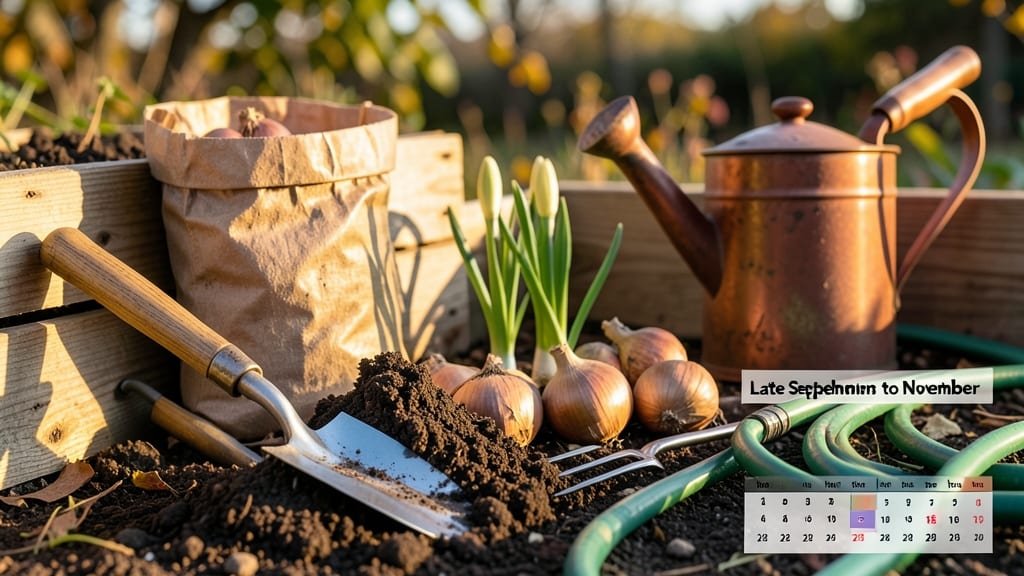
Planting Spring Flowering Bulbs 🌷 in Arkansas isn’t just about throwing them in the ground—it’s about timing them perfectly to beat the 7a-8a zone’s unpredictable frost.
Get it wrong, and your tulips, daffodils, or hyacinths might never bloom. But nail the window, and you’ll enjoy vibrant spring displays with almost no effort.
Most gardeners swear by fall planting, but Arkansas’s September-November window has nuances—like soil temps and frost dates—that can make or break your bulbs. I’ll break down exactly when to plant for your specific zone, plus why spring planting often fails (and when it’s worth trying).
You’ll also discover Arkansas-specific tricks, like which bulbs thrive in our humidity and how to prep soil for maximum success. Whether you’re a first-time planter or a seasoned gardener, these insights will help you avoid common mistakes and get the most out of your fall planting season.
Ready to transform your yard into a spring paradise? Let’s dive into the optimal planting times and care tips that’ll have your bulbs popping up like clockwork—no guesswork required.
Best fall planting times for Arkansas bulbs by USDA zone
Arkansas spans USDA Zones 6b through 8a, meaning frost dates vary dramatically across the state.
In the cooler northern regions (like Bentonville or Fayetteville), the first frost typically arrives by mid-November, while southern areas (such as Little Rock or Hot Springs) may see frost as late as December 15.
To maximize bulb success, aim to plant 6-8 weeks before your expected first frost—this gives roots time to establish before winter dormancy.
Most classic bulbs like tulips, daffodils, and crocuses thrive when planted in cool soil (60°F or below). In Arkansas, this usually means September through early November. However, late fall plantings (December) can still work in milder zones (7b-8a) if soil temps stay above freezing.
Use a soil thermometer to confirm—ideal temps for planting are between 40°F and 60°F.
Here’s how to adjust your timing based on Arkansas’s microclimates:
| USDA Zone | First Frost Date | Ideal Planting Window | Soil Temp Goal | Bulb Examples |
|---|---|---|---|---|
| 6b (North AR) | Mid-November | September 15–October 15 | 50°F–60°F | Tulips, Daffodils, Hyacinths |
| 7a (Central AR) | Late November | September 15–November 1 | 50°F–60°F | Crocuses, Alliums, Snowdrops |
| 7b–8a (South AR) | December 15 | October 1–December 1 | 55°F–65°F | Rain Lilies, Spider Lilies, Camassias |
*Adjust for microclimates—valleys freeze earlier than hillsides!
For northern Arkansas (Zones 6b–7a), prioritize early fall plantings (September–October) to avoid frost damage. In southern Arkansas (Zones 7b–8a), you can push plantings later into November or even December, especially for heat-tolerant bulbs like rain lilies (Zephyranthes).
These bulbs naturalize easily in Arkansas’s clay-heavy soils if planted in well-draining spots.
Pro tip: Layer bulbs for extended blooms! Plant early bloomers (crocuses) in September, followed by mid-season (tulips) in October, and late bloomers (daffodils) in November. This creates a sequential spring display from March through May.
Just ensure each layer gets 6 inches of organic mulch (like pine straw or shredded leaves) to insulate roots.
If you’re in a transition zone (Zone 7a), like Little Rock, split your plantings: 60% in October for classic bulbs and 40% in December for heat-loving varieties like spider lilies (Lycoris).
These bulbs handle Arkansas’s hot, humid summers better than traditional European bulbs. Plant them shallow (2–3 inches deep) in full sun for best results.
One common mistake in Arkansas is planting bulbs too deep to "protect" them from frost. Instead, aim for a depth equal to 2–3 times the bulb’s height (e.g., 6 inches for tulips, 8 inches for daffodils).
Deeper plantings can rot in Arkansas’s heavy clay when spring rains arrive. Amend soil with compost or sand to improve drainage, especially in low-lying areas prone to waterlogging.
Finally, water deeply after planting—Arkansas’s fall droughts (especially in October–November) can stress new roots. Give bulbs 1 inch of water weekly until the ground freezes, then reduce to monthly watering in winter.
Mulch heavily to retain moisture and regulate soil temps. With these adjustments, your Arkansas bulb garden will burst into color year after year.
🌱
Why spring planting fails in Arkansas (and how to fix it)
Spring bulb planting in Arkansas is risky—most gardeners struggle with heat stress, shallow root systems, and drought conditions that stifle growth before blooms appear.
Unlike cooler climates, Arkansas’s rapid warming and humidity spikes create conditions where bulbs planted in spring often bolt to flower too quickly or fail to establish properly. The result? Weak stems, sparse blooms, or no flowers at all.
This isn’t just about timing—it’s about soil temperature. Bulbs like tulips and daffodils need cool soil (60°F or below) to root before spring heat arrives. In Arkansas’s USDA Zones 7a-8a, soil temps often hit 70°F+ by March, shocking tender roots.
Even if you plant early, bulbs may sprout too fast, leaving them vulnerable to wind damage or pests.
That said, spring planting can work for Arkansas-adapted bulbs like caladiums, cannas, or rain lilies, which thrive in heat. These bulbs are designed to handle summer planting and even tropical humidity.
The key is adjusting your approach—think of spring planting as a high-risk, high-reward gamble unless you’re working with heat-loving varieties.
If you’re set on spring planting, time it perfectly: Aim for January–February in northern Arkansas (Zone 7a) or February–early March in southern Arkansas (Zone 8a).
This gives bulbs 6–8 weeks to root before soil temps rise. For containers, use well-draining mixes and shade cloth to protect young shoots from intense afternoon sun.
For heat-tolerant bulbs, like spider lilies or elephant ears, summer planting (June–July) is ideal.
These bulbs love Arkansas’s heat and humidity, but they need rich, moist soil to compensate for the lack of a cool dormancy period. Mulch heavily to retain moisture and fertilize lightly every 4–6 weeks to encourage robust growth.
Pro tip: If you must plant traditional bulbs in spring, chill them first. Store bulbs in a refrigerator for 8–12 weeks before planting to mimic winter dormancy. This trick can boost root development by 30–50%, giving your bulbs a fighting chance against Arkansas’s sweltering springs.
Just don’t expect long-term reliability—these bulbs may still struggle to naturalize.
For most Arkansas gardeners, fall planting remains the gold standard. But if you’re experimenting with heat-loving bulbs or limited space, spring planting can yield stunning summer blooms—just manage expectations and adapt your care routine. 🌱