
Plants
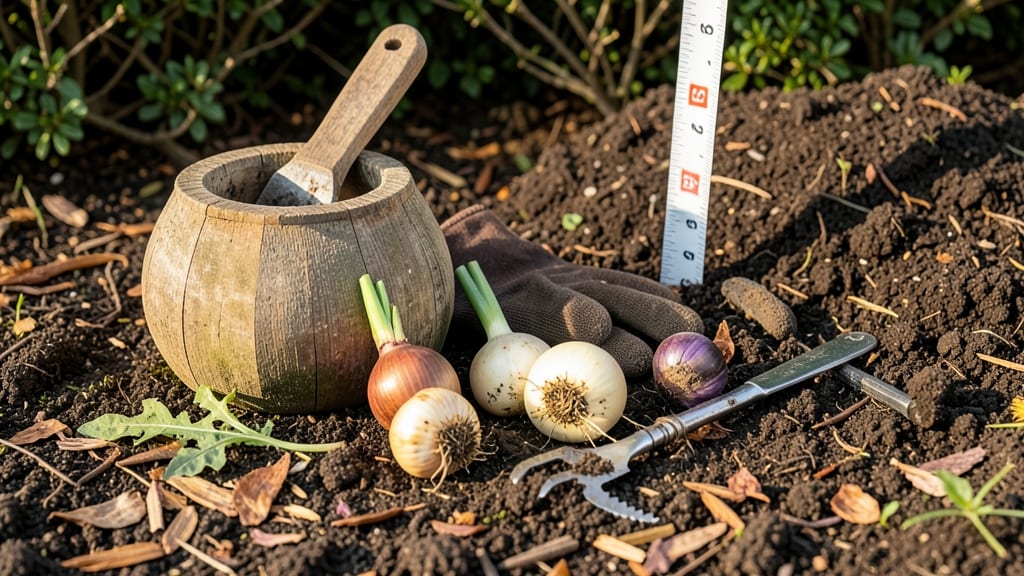
Timing your spring bulbs planting perfectly is the secret to a garden bursting with color—yet one wrong move can ruin everything. Whether you're dreaming of tulips 🌷 or daffodils, getting the window right means the difference between vibrant blooms and wasted effort.
Most gardeners assume "spring" means anytime after the snow melts, but the truth is far more precise. In USDA Zone 6a (and similar climates), the ideal window opens 4-6 weeks before your last frost date—not when the weather feels "spring-like."
This timing ensures bulbs establish roots before the ground warms too much.
Here's the game-changer: I'll break down the exact week-by-week schedule for your zone, plus 3 critical signs your soil is ready (and what to do if it's not). Skip the guesswork and plant with confidence—your future garden will thank you.
Ready to transform your yard into a blooming paraday? Let's dive into the week-by-week guide that'll have you planting like a pro, no matter where you live.
Spring bulb planting schedule by USDA Zone (week-by-week breakdown)
Spring bulbs like tulips and daffodils need precise timing to thrive. Planting too early risks rotting in cold, wet soil, while waiting too long delays blooms. Your USDA zone determines the perfect window—typically 4-6 weeks before your last frost date.
For example, in Zone 5, aim for mid-October to early November, while Zone 8 gardeners can plant as late as January.
Soil temperature is your best guide: bulbs need 40-50°F soil to root before winter dormancy. Use a soil thermometer to check—if it’s warmer, wait. In colder zones (Zones 3-4), plant earlier (late September) to allow roots to establish before freezing.
Southern zones (Zones 9-10) can plant later, even in early spring, but risk fewer blooms if soil stays too warm.
Moon phases also play a role! Planting during a waxing moon (when the moon is growing) encourages stronger roots. Check a lunar calendar for your zone—many gardeners swear by this method for healthier bulbs. Pair this with well-draining soil and you’re set for vibrant spring displays.
🌱 Spring Bulb Planting by USDA Zone
| Zone | Ideal Planting Window | Soil Temp Goal | Moon Phase Tip | Bulb Examples |
|---|---|---|---|---|
| 3-4 | Late Sept–Early Oct | 40-50°F | Waxing moon | Tulips, Daffodils |
| 5-6 | Mid-Oct–Nov 1 | 45-55°F | Waxing moon | Hyacinths, Crocus |
| 7-8 | Nov–Jan | 50-60°F | Waning moon | Alliums, Fritillaries |
| 9-10 | Jan–Feb | 55-65°F | Waxing moon | Rain Lilies, Snowdrops |
🌱 Adjust for early spring planting in mild winters (e.g., Zone 9-10).
Regional adjustments matter! In Pacific Northwest zones (e.g., Zone 7-8), plant alliums and grape hyacinths in November for early spring blooms. Meanwhile, Southern California gardeners (Zone 10) can plant rain lilies as late as February—just ensure soil stays moist until roots establish.
Always check your local frost dates and aim to plant 6-8 weeks before the first hard frost.
Don’t forget layering bulbs for extended blooms! Plant tulips (early bloomers) in one layer, then daffodils (late bloomers) above them. This creates a staggered bloom sequence from early to late spring.
Use a bulb planter to dig holes 6-8 inches deep—twice the bulb’s height—and space them 3-4 times their width apart for optimal growth.
After planting, mulch with 2-3 inches of straw to insulate bulbs and retain moisture. In Zone 3-4, add an extra layer of mulch to protect from extreme cold.
Avoid synthetic mulches—they can suffocate bulbs. Water deeply after planting to settle soil, then reduce watering until spring growth appears. Overwatering now can rot bulbs before they
5 Critical signs your spring bulbs are ready to plant (and 3 mistakes to avoid)
Don’t let frost dates or soil conditions trick you into planting too early or too late. The best time to plant spring bulbs is when soil temps hit 40°F and stay above freezing—usually 4-6 weeks before your last frost date.
For me, that’s mid-March in USDA Zone 6a, but your timeline may vary by 1-2 weeks depending on your region.
Check your local frost forecast and use a soil thermometer to confirm readiness. Planting too early in cold soil risks rotten bulbs, while waiting too long means missed blooms.
The key is balancing warm soil with cool air temps—aim for 50-60°F soil and 40-50°F air for optimal root growth.
| Sign | What It Means | Action |
|---|---|---|
| Soil temp 40°F+ | Roots can grow without rotting | Plant now if frost-free nights |
| Frost dates 4-6 weeks away | Bulbs need 6-8 weeks to root | Adjust planting window |
| Bulbs are firm and dry | Not shriveled or moldy | Store in cool, dark place |
| Drainage is good | No standing water after rain | Amend soil with compost |
| Moon phase is waxing | Encourages root growth | Plant during waxing crescent |
I always test soil drainage by digging a 6-inch hole and filling it with water. If it drains within 1 hour, your soil is ready.
If not, mix in compost or sand to improve aeration. Waterlogged soil is the #1 killer of spring bulbs—it causes bulb rot before they even sprout.
Watch for 3 deadly mistakes that sabotage blooms: planting in soggy soil, ignoring chilling requirements (some bulbs need winter cold), and over-fertilizing too soon. Instead, focus on well-draining soil, proper depth (6-8 inches), and a light fertilizer after planting to boost root growth.
For tulips and daffodils, I wait until mid-March in my zone, but hyacinths and alliums can handle slightly cooler soil. Always plant pointy-end up and space bulbs 3-4 times their width apart to prevent overcrowding. Mulch lightly after planting to protect from late frosts.
If you’re unsure, plant a few test bulbs 2 weeks early—this way, you’ll know exactly when your soil is ready without risking your entire garden. Patience pays off with healthier blooms and longer vase life! 🌷