
Plants
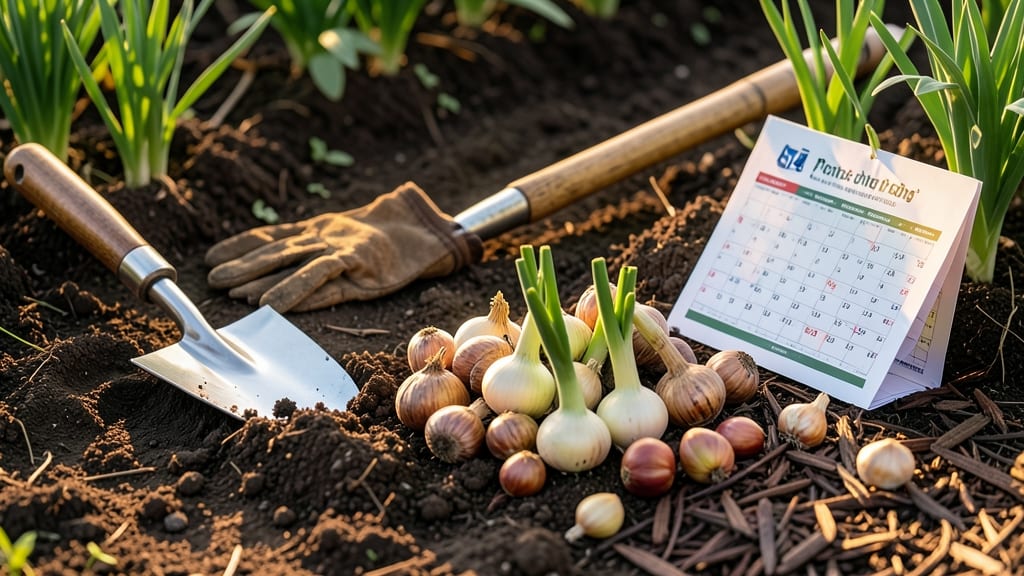
If you're a Zone 4 gardener, knowing when to plant bulbs in Zone 4 can mean the difference between a stunning spring display and a wasted investment. The key is timing—too early, and frost will damage tender roots; too late, and your bulbs might not bloom at all.
Fall planting is your golden window for most 🌷 bulbs (General), but the exact timing depends on your specific microclimate. In Zone 4's 4a-4b climate, aim for late September to early November, giving roots time to establish before the ground freezes.
This ensures vibrant blooms come spring, even in harsh winters.
I’ll walk you through the best planting schedule for classic spring bulbs like tulips and daffodils, plus tips for adjusting dates based on your local frost patterns. With the right approach, you’ll enjoy late spring to early summer color without the guesswork.
Let’s dive into the exact months and tricks to make your bulb planting foolproof—so you can enjoy those first signs of spring with confidence.
Zone 4 bulb planting calendar: exact months by bulb type
Zone 4’s short growing season and unpredictable frosts demand precision when planting bulbs. The key is to plant 4-6 weeks before the ground freezes—typically between mid-September and mid-November. This timing ensures bulbs establish roots before winter dormancy, guaranteeing vibrant spring blooms when frost risks subside.
Most spring-flowering bulbs—like tulips, daffodils, and hyacinths—need cold exposure to bloom. Planting too late leaves them vulnerable to early winter frosts, while planting too early risks rot from excess moisture. Aim for soil temps between 40-50°F for optimal root growth before the ground hardens.
For fall-planted bulbs, prioritize well-draining soil and full sun exposure. Amend heavy clay with compost or sand to prevent waterlogging, which can suffocate bulbs during Zone 4’s wet winters. A 2-3 inch layer of mulch after planting helps insulate roots and retain moisture.
Here’s your Zone 4 bulb planting timeline, broken down by bulb type and ideal planting window:
| Bulb Type | Ideal Planting Window | Notes for Zone 4 |
|---|---|---|
| Tulips | Mid-September to mid-October | Plant 6 inches deep; mulch after frost to protect. |
| Daffodils | Late September to early November | Hardy to -30°F; plant 4-6 inches deep. |
| Hyacinths | Mid-October to early November | Needs well-draining soil; avoid soggy spots. |
| Crocuses | September to early October | Early bloomers; plant 3 inches deep. |
| Alliums | Late September to October | Drought-tolerant; great for late-season color. |
If you miss the fall window, some bulbs—like tulips and daffodils—can be planted in early spring (March-April) for delayed blooms. However, they may not flower as robustly or reliably. For best results, stick to the fall schedule and adjust based on your last frost date.
For Zone 4’s northern regions (e.g., Minnesota, Maine), plant earlier in September to account for earlier frosts. In southern Zone 4 (e.g., Chicago, Pittsburgh), you can extend planting into early November. Always check your local frost dates for precision.
Pro tip: Use a soil thermometer to confirm temps are below 60°F before planting. Bulbs need this cooler soil to trigger dormancy and prepare for winter. Pair this with a thick mulch layer (4-6 inches) to insulate roots during Zone 4’s harsh winters.
After planting, water deeply once to settle soil around bulbs. Avoid overwatering, as soggy soil can cause rot. In spring, resume watering when foliage emerges—this fuels next year’s blooms. With the right timing, your Zone 4 garden will burst into color by May or June!
🌷
How to adjust planting dates for Zone 4’s unpredictable frost
Zone 4’s unpredictable frost dates can throw off even the most careful gardeners. While the average last frost is around May 15, late frosts can linger into June, especially in colder microclimates.
The key is to plant bulbs early enough to establish roots before winter but avoid exposing them to early fall frosts that can damage tender shoots.
Start by checking your local frost forecast—many weather services provide 10-day outlooks that help predict when to plant. If your area has a history of early freezes, shift planting to late September or October instead of August.
For example, tulips and daffodils planted in mid-October in northern Zone 4 will still have time to root before the ground freezes.
Late frosts can kill emerging shoots. If your area has a history of unusually cold springs, opt for hardier bulbs like crocuses or alliums, which tolerate colder temperatures better than tulips.
🌡️ Pro Tip: Use a frost cloth over newly planted bulbs if an early frost is forecasted.
Another trick is to plant in layers—start with late-blooming bulbs like hyacinths or alliums in early September, then add tulips and daffodils in October. This staggered approach ensures continuous blooms from early spring to late spring, even if some bulbs face light frost exposure.
For gardeners in Zone 4a (colder sub-zone), consider extending the season with mulch or straw. After planting, cover the area with 3-4 inches of mulch to insulate the soil and protect bulbs from temperature fluctuations.
This also helps retain moisture during dry autumns, which are common in Zone 4.
If you’re unsure about your local microclimate, observe nearby plants—perennials like peonies or daylilies can give clues about frost patterns. For instance, if peonies bloom early in your area, it’s a sign that tulips can be planted slightly earlier without risking frost damage.
Finally, keep a gardening journal to track frost dates and bulb performance. Note which planting windows worked best in your yard, and adjust future schedules accordingly. With a few tweaks, you’ll maximize blooms and minimize frost-related setbacks in Zone 4’s challenging climate. 🌱