
Plants
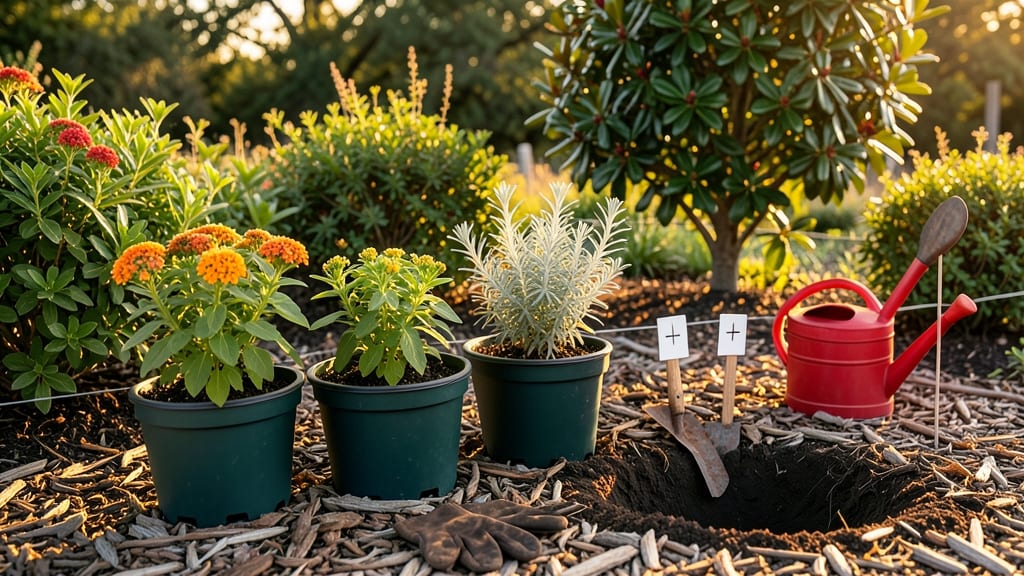
Planting bushes in Texas isn’t as simple as grabbing a shovel and digging—your timing could make or break their survival in 8a-10b zones where heat and drought play hardball. Get it wrong, and your 🌿 might struggle before it even gets a chance to thrive.
The secret? Planting during Texas’ two sweet spots: late winter/early spring or early fall, when temperatures cooperate.
Why does timing matter so much? Because Texas summers hit like a 100°F sledgehammer, while winters can bring unexpected freezes—especially in North Texas. The key is reading your microclimate: urban areas bake faster, while shaded spots stay cooler.
We’ll break down exactly when to plant in your specific corner of the Lone Star State, so your bushes grow strong instead of stressed.
You’ll also discover how to prep your soil, water like a pro, and avoid the biggest mistakes that turn Texas yards into shrub graveyards. Whether you’re adding azaleas for color or crape myrtles for structure, this guide keeps your bushes happy year-round.
Let’s get those roots in the ground the right way.
Ready to transform your yard? We’ll cover everything from frost dates to drought-resistant picks—so your bushes don’t just survive Texas, they thrive in it. No more guessing, just growth. Let’s dig in.
Texas planting zones: best months by region for bush success
Texas spans USDA Hardiness Zones 8a–10b, meaning your bush planting window varies wildly from North Texas’ cooler winters to South Texas’ scorching summers. In Zone 8a (North), like Dallas or Fort Worth, you can plant bare-root bushes in late winter (February–March) before heat arrives.
Meanwhile, Zone 10b (South), such as Brownsville or McAllen, lets you plant year-round with minimal frost risk—but avoid summer heatwaves.
Most Texas gardeners swear by fall planting (September–November) because cooler temps and established roots help bushes survive winter. Spring (February–April) is your second-best bet, but act fast—100°F+ heat can shock newly planted shrubs. Crape myrtles and Texas sage thrive when planted in early spring, while hydrangeas prefer fall’s mild weather.
Here’s the visual breakdown of ideal planting months by Texas region, including last frost dates and heat tolerance thresholds to avoid stressing your bushes:
| Region | USDA Zone | Best Planting Months | Last Frost | Heat Threshold |
|---|---|---|---|---|
| North Texas | 8a–8b | Feb–Mar (spring), Sep–Nov (fall) | Feb 15 | 95°F+ stress risk |
| Central Texas | 8a–9a | Mar–Apr (spring), Sep–Oct (fall) | Jan 15 | 100°F+ stress risk |
| South Texas | 9a–10a | Feb–Mar (spring), Sep–Oct (fall) | Jan 1 | 90°F+ stress risk |
| West Texas | 8a–9b | Oct–Nov (fall), Feb–Mar (spring) | Dec 1 | 105°F+ stress risk |
If you’re in North Texas (Zone 8a), prioritize fall planting—cooler temps help roots establish before winter. Central Texas (Zone 8b–9a) gardeners should avoid summer planting entirely; even drought-tolerant bushes like Texas mountain laurel struggle in 100°F+ heat.
For South Texas (Zone 9b–10a), spring and fall are your only safe bets, while West Texas (Zone 8a–9b) demands fall planting to beat the dry, intense summers.
Pro tip: Check your local frost dates via the Texas A&M AgriLife Extension—they update annually. For example, Amarillo’s last frost is often March 15, while Houston’s can be as late as February 28.
Planting too early in North Texas risks frost damage, while South Texas can plant year-round but must water deeply during summer heatwaves.
For container-grown bushes, you’ve got flexibility—they tolerate transplanting year-round in Zone 9b–10b. But bare-root bushes need soil temps above 60°F to avoid root shock. Use a soil thermometer to confirm—60–70°F is ideal for most Texas-friendly shrubs like yaupon holly or wax myrtle.
One common mistake? Planting summer-blooming bushes like crape myrtles in late spring. They’ll bolt to flower before roots establish, leaving them vulnerable to
Texas planting zones: best months by region for bush success
Texas’ diverse climate means your bush planting timing should match your region. North Texas’ cooler winters and Central Texas’ scorching summers create vastly different windows. South Texas’ humidity and West Texas’ drought add complexity. Let’s break down the ideal months for each zone to ensure your shrubs thrive. In North Texas (Zones 7b-8a), aim for Fall (September–November) or Spring (March–April). The last frost typically hits around February 15, so planting in March gives roots time to establish before summer heat. Crape myrtles and Texas sage love this timing.| Region | Best Planting Months | Key Considerations |
|---|---|---|
| North Texas | Sep–Nov, Mar–Apr | Avoid summer heat; last frost ~Feb 15 |
| Central Texas | Sep–Oct, Feb–Mar | Extreme heat; plant early spring/late fall |
| South Texas | Sep–Nov, Jan–Feb | Humidity; avoid summer; last frost ~Jan 1 |
| West Texas | Sep–Oct, Feb–Mar | Drought; choose drought-resistant bushes |
🌱