
Plants
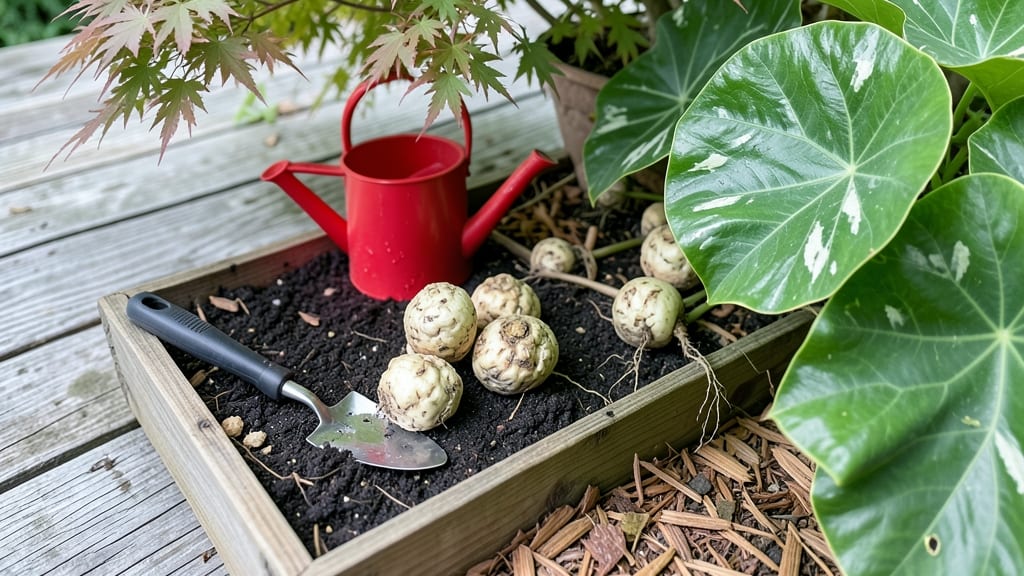
Timing is everything when it comes to planting caladium bulbs in Florida—get it wrong, and you’ll end up with wilted leaves before summer even begins.
This vibrant 🌿 plant thrives in the Sunshine State, but its success hinges on planting it at the perfect moment, typically between March and April.
Why does this matter? Florida’s heat can be brutal, and caladiums are sensitive to stress. Planting too early risks frost damage in northern regions (like Zone 8a), while waiting too long means missing the ideal window for lush foliage before temperatures soar.
The secret? Start when soil temperatures hit 65°F and nighttime lows stay above 50°F—a sweet spot that ensures strong root growth before summer’s intensity.
But here’s the kicker: Florida’s diverse climate means timing varies slightly from north to south. In Central and South Florida (Zones 9-11), you might even squeeze in a late-May planting for a second flush of color.
I’ll break down the exact schedule, soil prep tips, and heat-resistant varieties to keep your caladiums looking stunning all season long.
Ready to transform your garden into a burst of color? Let’s dive into the heat-smart timeline that’ll have your caladiums thriving—no wilting in sight.
Optimal Florida planting timeline for caladium bulbs: month-by-month guide
Florida’s warm climate means caladium bulbs can be planted earlier than in colder regions, but timing still matters to avoid heat stress or premature dormancy. The ideal window spans March through April, when soil temperatures consistently stay above 65°F and nights remain above 50°F.
This ensures vibrant foliage growth before summer’s peak heat arrives.
Northern Florida (Zones 8a-9a) has slightly cooler springs, so aim for late March to early April. Central and South Florida (Zones 9b-11) can start as early as mid-February, but avoid planting too soon—cold snaps can still damage tender bulbs.
Always check your local frost-free date for precision.
Here’s your month-by-month planting guide tailored to Florida’s microclimates, including soil prep tips and heat tolerance strategies:
| Month | North FL (Zones 8a-9a) | Central/South FL (Zones 9b-11) | Soil Temp Threshold |
|---|---|---|---|
| February | ❌ Avoid (risk of frost) | ✅ Early starts (mid-Feb) | ≥60°F (pre-warm soil) |
| March | ✅ Ideal (late March) | ✅ Best month (early March) | ≥65°F (consistent) |
| April | ✅ Last chance (early April) | ✅ Still good (avoid late April heat) | ≥70°F (heat tolerance) |
| May | ❌ Too hot (dormancy risk) | ❌ Avoid (peak heat) | ≥80°F (stress point) |
🌡️ Pro Tip: Use a soil thermometer to confirm readiness—caladiums won’t thrive in cold soil.
For container gardening, you can extend the window by 2-3 weeks—pots warm up faster and let you move plants to shade during heatwaves. Choose heat-resistant varieties like ‘White Queen’ or ‘Candidum’ for longer displays, as they tolerate up to 90°F better than traditional types.
After planting, mulch with 2-3 inches of organic mulch (like pine bark) to retain moisture and regulate soil temperature. This is especially critical in South Florida’s dry seasons, where caladiums can suffer from root dehydration despite high humidity.
Watch for new leaf unfurling within 3-4 weeks—a sign your timing was perfect. If leaves appear yellow or wilted, it’s often a sign of overwatering or poor drainage, common issues in Florida’s heavy clay soils.
Adjust your watering to deep soaks every 7-10 days instead of frequent light watering.
In North Florida, you can even try a fall planting (September-October) for a second flush of foliage before winter. Just ensure bulbs are planted 6-8 weeks before first frost to establish roots. This strategy works best in Zone 8a, where frosts are less severe.
Remember, caladiums are tender perennials—they’ll die back in winter but return if bulbs survive. In South Florida’s frost-free zones, they may even re-sprout year-round with minimal care. The key is consistent moisture and protection from extreme heat.
For maximum impact, pair caladiums with shade-loving companions like impatiens or coleus. Their contrasting textures and colors create a lush, tropical display that thrives in Florida’s humid, shaded gardens. 🌿
Signs your Florida soil is ready for caladium bulbs (and how to fix it)
Before popping those caladium bulbs into the ground, check your Florida soil—it’s the foundation for vibrant foliage or a recipe for disappointment. The right conditions mean the difference between lush, heart-shaped leaves and sad, wilted plants.
Start by testing for soil warmth and moisture balance, two critical factors for caladiums.
First, dig down about 2-3 inches—this is where your bulbs will root. If the soil feels cool to the touch (below 65°F), wait a few weeks. Caladiums hate cold soil, which can stunt growth or even rot the bulbs.
In North Florida (Zone 8a), this might mean waiting until late April, while South Florida (Zones 10-11) gardeners can plant as early as February.
Next, assess drainage. Stick a trowel in the ground and fill a hole with water. If it drains in under 30 minutes, your soil is ready.
If water pools or drains slowly, amend it with organic matter like compost or perlite to improve airflow. Caladiums despise soggy roots—root rot is their nemesis.
⚠️ WARNING: Avoid These Soil Mistakes
Planting in compacted soil or heavy clay? Your caladiums will suffocate. Amend with 2-3 inches of compost or sand to loosen the texture. Also, steer clear of fresh manure—it can burn delicate roots.
Now, let’s talk pH levels. Caladiums prefer slightly acidic to neutral soil, ideally between 6.0 and 7.0. Grab a soil test kit (available at garden centers) or send a sample to your local UF/IFAS Extension Office for a free analysis.
If your soil is too alkaline (pH above 7.5), mix in peat moss or pine bark fines to lower the pH gradually.
Finally, check for pests or diseases lurking in your soil. Caladiums are susceptible to fungal infections like leaf spot and root rot. If your soil has a history of these issues, treat it with neem oil or copper fungicide before planting.
A quick 10-minute inspection now can save hours of heartache later.
With your soil prepped and ready, you’re one step closer to a showstopping caladium display. Next, we’ll cover how to protect your plants from Florida’s relentless heat once they’re in the ground. Trust me—your foliage will thank you!