
Plants
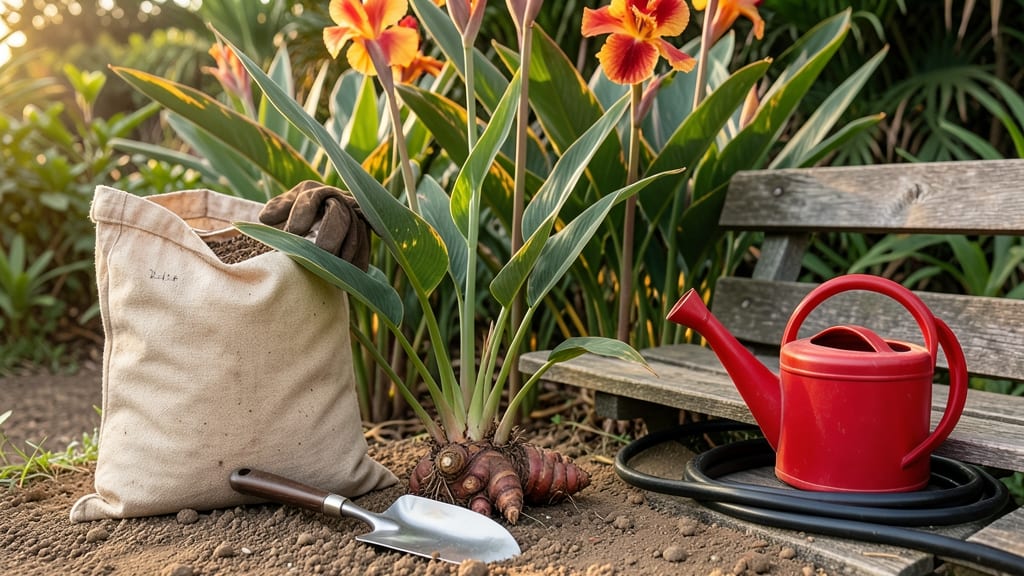
If you’ve ever watched your 🌺 canna bulbs wilt under Texas heat—or freeze in a surprise frost—you know when to plant canna bulbs in Texas is everything for these tropical stunners.
Planting too early risks frost damage, while waiting too long means missing out on bold summer blooms that can reach 7 feet tall. The key? Mastering Texas’s unique heat zones to give your cannas the perfect start.
For most of Texas (zones 8a-10b), the ideal window stretches from March to April—right after the last frost—while cooler North Texas gardeners can also try September planting for fall blooms.
But here’s the catch: soil temperature matters just as much as the calendar. We’ll break down exactly when to dig in, based on your region’s frost-free dates and microclimates.
Container planting? That’s your secret weapon in cooler areas like 8a, letting you adjust timing and even move cannas indoors before winter. And don’t worry—we’ll cover how to spot perfect planting signs (like rapid leaf growth) versus red flags (like yellowing stems) so your cannas thrive from day one.
Ready to unlock vibrant, heat-proof blooms? Let’s dive into the exact dates, soil tricks, and pro tips tailored for Texas gardeners—because your cannas deserve a showstopping season.
Texas heat-Zone planting timeline for canna bulbs: exact dates by region
Texas gardeners face a unique challenge with canna bulbs—their tropical nature clashes with our freezing winters and scorching summers. The key to success lies in understanding your USDA zone and last frost dates.
North Texas gardeners in Zone 7b-8a have a shorter growing window, while South Texas gardeners in Zone 9b-10b can plant year-round with minimal risk.
For most Texas gardeners, the ideal planting window falls between mid-March and mid-April after the last frost. However, fall planting (September-October) works well in cooler zones like North Texas, giving cannas time to establish roots before winter.
Let’s break down the exact timing for each Texas region to maximize your canna blooms.
🌺
| Region | USDA Zone | Last Frost Date | Best Planting Window | Soil Temp Threshold |
|---|---|---|---|---|
| North Texas | 7b-8a | March 15 | April 1 - May 15 | 65°F+ |
| Central Texas | 8a-8b | February 28 | March 15 - April 30 | 65°F+ |
| South Texas | 9b-10b | February 1 | February 15 - April 15 | 60°F+ |
| Fall Planting (All Zones) | 7b-10b | N/A | September 1 - October 15 | 70°F+ |
In North Texas, where frost lingers until mid-March, waiting until April 1 ensures your canna bulbs avoid frost damage. The soil should be at least 65°F—use a soil thermometer to check! Planting too early in Zone 7b risks stunted growth from cool soil temperatures.
Central Texas gardeners have a two-month window from mid-March to late April. This region benefits from warmer soil earlier in the season, allowing for faster establishment. If you’re in Austin or San Antonio, you can even start bulbs indoors in late February for a head start.
South Texas gardeners enjoy the longest growing season, with planting possible as early as mid-February. The 60°F soil threshold is easier to meet here, and cannas thrive year-round in Zone 10b. For container growers, this flexibility extends even further—you can plant anytime the soil is workable.
For fall planting, focus on September-October across all regions. This strategy works best in Zones 8a and below, giving cannas time to establish roots before first frost. In South Texas, fall-planted cannas may even survive mild winters with mulch protection.
🌡️
Pro tip: Use black plastic mulch to warm the soil faster in North Texas. This trick can shave off 2-3 weeks from your planting timeline. Always plant 4-6 inches deep and space bulbs 12-18 inches apart for optimal airflow and growth.
Microclimates play a huge role in Texas gardening. If you’re in a valley or low-lying area, frost risk may linger longer—monitor local frost alerts and adjust your timeline accordingly. Conversely, urban heat islands can push your planting window 1-2 weeks earlier.
Signs your Texas canna planting timing is perfect (or disastrous)
Perfect timing for canna bulbs in Texas means your plants will burst into vibrant foliage and bold blooms without stress. Look for emerging shoots within 2-3 weeks of planting—this signals your bulbs are waking up from dormancy and ready to grow. Healthy cannas should show deep green leaves by late spring, with stems reaching 3-4 feet tall by summer. If your cannas are thriving, you’ve nailed the planting window!
Start by checking the soil temperature—it should be consistently above 65°F at planting time. Use a soil thermometer to confirm, especially in North Texas where cooler nights linger. Canna bulbs planted in warmer soil (70°F+) will sprout faster and establish stronger roots before summer’s heat arrives.
Watch for rapid leaf growth after planting—this is your first sign of success. In Central and South Texas, cannas planted in March-April should show new leaves within 10-14 days. If growth stalls or leaves appear yellow or wilted, your timing might be off.
This often happens when bulbs are planted too early and exposed to cold soil or late frosts.
⚠️ Here’s your quick-reference guide to diagnosing planting timing issues:
If your cannas show yellowing leaves or mushy stems, they’re likely suffering from overwatering or cold soil stress. This often happens when bulbs are planted too early in North Texas.
On the flip side, pale or slow-growing cannas planted too late may struggle with summer heat before establishing roots.
For container-grown cannas, watch for roots emerging from drainage holes—this means they’re ready to be transplanted into the ground. In South Texas, where summers are scorching, aim to plant by late February to give cannas time to root deeply before the heat peaks.
Mulch heavily to retain moisture and cool roots during Texas’ brutal summers.
Pro tip: Take photos of your cannas’ progress each week. Compare them to the healthy vs. stressed examples above—you’ll quickly spot when something’s off. Adjust watering or shading as needed to keep your cannas thriving all season long! 🌿