
Plants
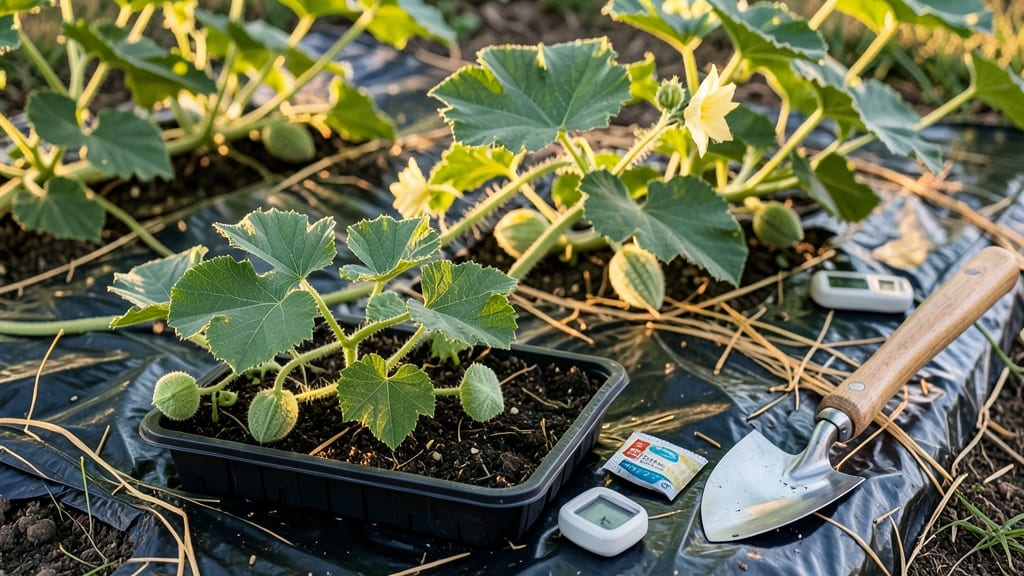
Knowing when to plant cantaloupe in Alabama can mean the difference between a bumper crop of sweet, juicy melons and a disappointing garden flop.
Alabama’s warm climate gives you a long growing window, but timing is everything—especially when it comes to avoiding early frost or waiting too long for soil to warm up.
If you’ve ever planted cantaloupe only to watch your seedlings wilt in cool soil or struggle with unpredictable Alabama weather, you’re not alone. The key is understanding your local frost dates and soil temperature thresholds, which can vary dramatically from North to South Alabama.
I’ll walk you through the exact planting windows and soil prep tips to set your cantaloupe vines up for success.
Whether you’re a first-time gardener or a seasoned grower, getting the timing right ensures your cantaloupe 🌱 thrives from seed to harvest. We’ll cover early spring plantings for a head start, late spring adjustments for heat tolerance, and how to extend your season if you’re in a cooler microclimate.
By the end, you’ll have a clear schedule tailored to your Alabama region—so you can enjoy homegrown cantaloupe at its peak flavor, just in time for summer picnics and fall barbecues. Let’s get your garden on the right track!
Alabama’s ideal cantaloupe planting dates by region (soil temp & frost-free rules)
Alabama’s three distinct regions create unique planting windows for cantaloupe—North Alabama’s cooler springs demand earlier starts, while South Alabama’s longer seasons allow late plantings. The golden rule? Wait until soil hits 60°F and frost risk is gone. Here’s how to pinpoint your perfect timing.
For North Alabama (USDA Zones 6-7), like Huntsville or Decatur, your last frost typically falls between March 15–April 1. This means your earliest planting window opens around April 15–May 1, but soil may still be chilly. Use a soil thermometer—60°F is non-negotiable for germination.
In Central Alabama (Zones 7-8), cities like Birmingham and Montgomery see last frosts by March 1–March 15. This gives you a flexible window from April 15–May 15, but aim for late April for ideal soil warmth. Varieties like ‘Athena’ or ‘Hale’s Best’ thrive here with this timing.
| Region | Last Frost Avg. | Ideal Planting Window | Soil Temp Threshold | Best Varieties |
|---|---|---|---|---|
| North AL (Zones 6-7) | March 15–April 1 | April 15–May 15 | 60°F+ | ‘Ambrosia’, ‘Crimson Sweet’ |
| Central AL (Zones 7-8) | March 1–March 15 | April 15–May 15 | 60°F+ | ‘Athena’, ‘Hale’s Best’ |
| South AL (Zones 8-9) | February 15–March 1 | March 15–June 1 | 60°F+ | ‘Caravelle’, ‘Sugar Bush’ |
South Alabama (Zones 8-9), including Mobile and Dothan, enjoys the longest growing season. With last frosts as early as February 15–March 1, you can start planting as early as March 15—or even push it to June 1 for fall harvests.
This flexibility lets you grow two crops per year if you time it right.
Pro tip: Use black plastic mulch to warm soil faster in cooler regions. Lay it down 1–2 weeks before planting to raise soil temps by 5–10°F, accelerating germination. Just remove it once vines emerge to prevent overheating.
For late-season plantings, aim for June 1–July 1 in Central/South Alabama. These vines will mature just in time for fall harvests (October–November), avoiding summer’s brutal heat. Choose heat-tolerant varieties like ‘Caravelle’ for these later starts.
Always check your local Alabama Cooperative Extension Service for microclimate adjustments. Urban areas like Birmingham can be 5°F warmer than rural zones just 20 miles away, shifting your ideal window by 1–2 weeks. When in doubt, plant a test row and monitor soil temps!
Remember: Cantaloupes need 75–90 days to mature. If you plant too late, you’ll end up with bitter, underripe fruit. Use a planting calendar to back-calculate from your first frost date—this ensures you’re always in the sweet spot.
How to extend your cantaloupe season in Alabama (cold frames, row covers & succession planting)
Alabama’s short growing season can feel like a race against time for cantaloupe lovers. But with the right strategies, you can stretch your harvest by 4–6 weeks—or even push it into early spring for a head start.
The key is protecting young plants from late frosts and early cold snaps while keeping soil warm enough for germination.
I’ve tested these methods in my Birmingham garden, and cold frames gave me a 3-week earlier harvest last year. Row covers worked wonders for my late-summer plantings too, shielding vines from unexpected 50°F dips that would’ve killed tender seedlings. Let’s break down what works—and what doesn’t—in Alabama’s climate.
🌱 3 Proven Ways to Extend Your Cantaloupe Season
- 🔥 Cold Frames: Start seeds 4–6 weeks earlier (late February–early March) by trapping heat in DIY frames. Use clear plastic or glass—avoid metal, which overheats.
- 🛡️ Row Covers: Protect seedlings after transplanting (April–May) with lightweight fabric. Remove during pollination to avoid trapping humidity (which causes powdery mildew).
- 📅 Succession Planting: Sow new seeds every 2–3 weeks from April through June. This ensures a steady supply of pollinators and spreads out harvests.
For late-season extensions, I recommend a second planting in early July. Use heat-tolerant varieties like ‘Athena’ or ‘Hale’s Best’—they handle Alabama’s 90°F+ afternoons better than standard types. Just be prepared to water deeply twice daily once fruits start swelling.
One trick I learned from a Huntsville gardener: Black plastic mulch warms soil by 10–15°F faster than bare earth. Lay it down 2 weeks before planting to create a microclimate perfect for cantaloupe germination. Pair this with drip irrigation to keep roots cool during heatwaves.
Timing is everything with row covers. Install them at dusk to trap nighttime warmth, then remove by 10 AM to prevent overheating. If you’re in North Alabama, keep covers on until May 15—after that, your last frost risk drops dramatically.
My biggest lesson? Don’t overcomplicate it. A simple $20 row cover and a weekly watering schedule will outperform expensive gadgets. Start small, track what works in your yard, and adjust next year. Your taste buds—and your cantaloupe plants—will thank you.