Plants
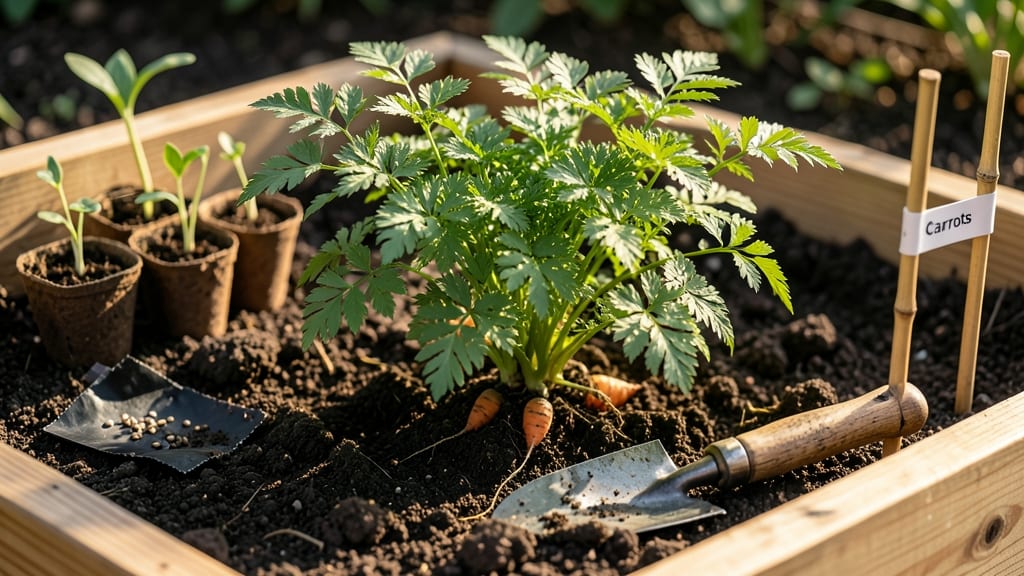
If you've ever pulled a bitter, stunted carrot from your garden in Zone 6a, you know when to plant carrots in zone 6a is everything.
Planting these 🥕 at the wrong moment can turn your crisp dream harvest into a disappointing mess—but get it right, and you'll enjoy sweet, tender roots all season long.
Zone 6a's unique climate demands precision: too early and frost will ruin your seedlings, too late and summer heat will make them bolt. The secret lies in planting during two critical windows—early spring and late summer—when soil temperatures and daylight balance perfectly for carrot growth.
I'll show you exactly which weeks work best in your region, plus how to stretch your harvest through smart succession planting. No more guessing games about timing—just reliable results for your table.
From frost dates to soil prep, we'll cover everything you need to know to grow carrots that rival the grocery store's best—but with the bonus of knowing exactly where they came from. Let's get those seeds in the ground at the perfect moment!
Best planting weeks for carrots in Zone 6a: spring vs fall timing
In Zone 6a, timing is everything for growing sweet, crisp carrots. The key windows are early spring and late summer, when soil temperatures hover between 45°F and 85°F. Planting outside these ranges risks bolting (premature flowering) or stunted growth due to extreme heat or cold.
For spring planting, aim for 2-3 weeks before your last frost date—typically March 15 to April 15 in Zone 6a. This gives seedlings time to establish before soil warms.
Fall planting should happen 8-10 weeks before your first frost, usually July 15 to August 15, to ensure a harvest before winter sets in.
| Planting Window | Zone 6a Dates | Soil Temp | Key Notes |
|---|---|---|---|
| Early Spring | March 15–April 15 | 45°F–60°F | Plant ¼" deep; cover with mulch to retain warmth. |
| Late Summer | July 15–August 15 | 60°F–75°F | Use shade cloth if temps exceed 80°F to prevent bolting. |
| Frost Risk | April 15 (last) / Oct 15 (first) | N/A | Spring crops mature before summer heat; fall crops finish before frost. |
Zone 6a’s 165 frost-free days create a unique opportunity for two full harvests per year. The spring crop matures by June-July, while the fall crop delivers roots in September-October. To maximize success, test soil temperatures with a soil thermometer—carrots struggle in soil above 85°F.
Pro tip: For extended harvests, stagger plantings every 2 weeks in spring and every 3 weeks in fall. This ensures a steady supply of fresh carrots without overwhelming your garden at once. Just be sure to thin seedlings to 2-3 inches apart to prevent competition.
If you’re new to Zone 6a gardening, start with short-season varieties like ‘Nantes’ or ‘Danvers’—they mature in 60-70 days, giving you flexibility. Avoid longer varieties (like ‘Chantenay’) unless you’re committed to fall planting, as they need more time to reach harvest size.
Watch for soil crusting after rains, which can stifle young seedlings. Use a fine mesh row cover or gently water with a spray nozzle to keep soil loose. This is especially critical in spring, when moisture levels fluctuate wildly.
For fall planting, focus on succession sowing in late July. By August 15, you’ll have a head start on roots before cooler nights slow growth. Always choose slow-bolting varieties like ‘Paris Market’ for fall, as they tolerate cooler temps better than heat-sensitive types.
Remember: Carrots hate disturbances. Once planted, avoid tilling or weeding too deeply near the rows. A 2-inch layer of straw mulch keeps soil moist, deters weeds, and protects roots from temperature swings—critical in Zone 6a’s unpredictable spring and fall weather.
To track your progress, mark planting dates on a garden journal. Note soil temps, rainfall, and harvest dates to refine your schedule each year. Over time, you’ll dial in the perfect timing for your microclimate, even within Zone 6a’s broad guidelines.
With these Zone 6a-specific tips, you’ll enjoy homegrown carrots from June through October—no bitter roots or wasted effort in sight! 🥕
How to extend carrot growing season in Zone 6a: success tips for year-round harvests
Zone 6a gardeners can enjoy carrots nearly year-round with the right techniques. The key is succession planting and season extension tools like cold frames or row covers. These methods let you push harvests into late fall and even early spring, when most gardeners are still waiting.
Start by planting every 2 weeks from March to July. This staggered approach ensures a continuous supply of fresh carrots from June through October. For fall harvests, sow your last batch by August 15—this gives roots time to mature before first frost in mid-October.
- Spring Extension: Use row covers to plant as early as February. Remove covers when plants are established to prevent overheating.
- Summer Protection: Deploy shade cloth (30-50%) when soil temps exceed 85°F to prevent bolting.
- Fall Harvests: Plant slow-bolting varieties like 'Paris Market' by August 15 for late-season roots.
- Winter Storage: Harvest before hard frost and store in sandy soil or sand-filled containers in a cool basement.
- Companion Plants: Interplant with onions or leeks to deter pests and improve flavor.
For early spring planting, use a cold frame or mini greenhouse to start seeds as early as February. These structures protect seedlings from late frosts while warming the soil. Remove the cover once plants are 2 inches tall to avoid overheating.
In late summer, focus on shade protection. When daytime temps hit 85°F+, drape floating row covers over your carrot beds. This keeps soil temps ideal while allowing 6-8 hours of sunlight—critical for root development. Always secure edges to prevent pests from sneaking in.
Don't overlook soil preparation for extended seasons. Amend beds with compost before planting to improve drainage and fertility. Carrots need loose, stone-free soil to grow straight—add sand or perlite if your native soil is clay-heavy. Test pH levels (aim for 6.0-7.0) to prevent nutrient deficiencies.
For winter harvests, try high tunnels or unheated greenhouses. These structures can extend your growing season by 4-6 weeks into winter. Plant cold-hardy varieties like 'Red Cored Chantenay' in late September for a winter crop. Harvest before soil temps drop below 40°F.
Remember: Carrots are cool-season crops at heart. They thrive when soil temps stay between 45°F-85°F. Use a soil thermometer to monitor conditions—this simple tool will save you from planting at the wrong time.
With these Zone 6a-specific strategies, you'll enjoy homegrown carrots from spring through fall—and maybe even a little longer! 🌱