
Plants
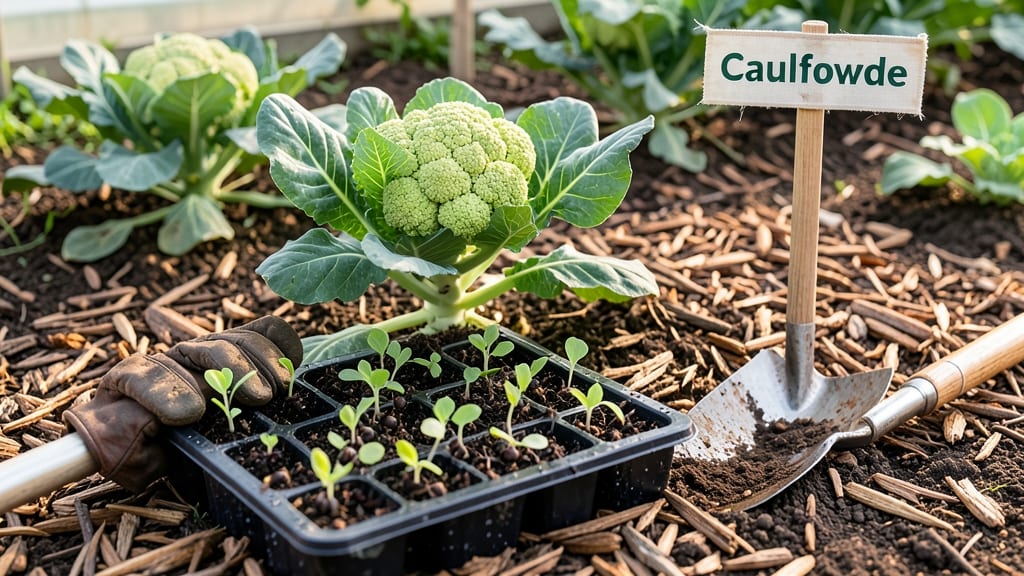
Planting cauliflower in Georgia isn’t just about timing—it’s about outsmarting the heat and humidity to avoid bitter, bolted heads. With the right schedule, you can grow sweet, tender 🥬 all season long, whether you’re in the Piedmont or the coastal plains.
Most gardeners in USDA zones 7b-8b swear by two key windows: early spring (February-March) and late summer (August-September). But here’s the catch—Georgia’s sweltering summers can turn your cauliflower into a sad, stringy mess if you plant too late.
Let me show you exactly when to start seeds (and when to buy transplants) for foolproof results.
You’ll also discover how to beat the heat with shade tricks, soil prep secrets, and the top 3 varieties that actually thrive in Georgia’s climate. No more guessing games—just a harvest of perfect, creamy heads every time.
Ready to grow cauliflower that makes your neighbors jealous? Let’s dive into the step-by-step planting plan that works for Georgia’s unique growing seasons.
Georgia’s best cauliflower planting months for zero bolting
Cauliflower thrives in Georgia’s cooler months, but timing is everything to avoid bolting (premature flowering). The Peach State’s USDA zones 7b-8b offer two prime windows: early spring and late summer.
Plant too early, and frost zaps seedlings; too late, and heat triggers bitter, useless florets. Let’s nail your zero-bolt schedule.
For spring planting, aim for February through early March—4 to 6 weeks before your last frost date (typically mid-March). This gives plants time to mature before Georgia’s 90°F+ summers arrive. Fall planting should start in late August to allow heads to form before first frost (mid-November).
Georgia’s microclimates complicate things. Coastal areas (like Savannah) have milder winters, while Piedmont regions (Atlanta) face earlier frosts. Adjust your schedule 1-2 weeks earlier in inland zones to stay ahead of heat or cold snaps.
Here’s how the ideal planting windows break down by region and season:
Pro tip: Use shade cloth (30–50%) if planting in late spring to protect seedlings from heat stress. Georgia’s April–May temps can soar to 85°F, triggering bolting in just 3–5 days of stress.
Soil temperature matters just as much as air temperature. Cauliflower seeds need soil temps between 50–60°F to germinate. Use a soil thermometer to confirm—cold soil delays sprouting, while warm soil (above 65°F) causes bolting. In Georgia, this means wait until March for spring planting unless you’re using a greenhouse.
For fall crops, prioritize late August planting to avoid summer’s 90°F+ heat. If you miss this window, try succession planting every 2 weeks until mid-September. Just remember: harvest before frost, or the heads turn woody and inedible.
Georgia’s short growing season (about 220 frost-free days) demands precision. Miss the window by even 10 days, and you’ll end up with bitter, bolted cauliflower—or worse, nothing at all. Plan ahead, and you’ll enjoy crisp, sweet heads twice a year.
Next, we’ll cover how to extend Georgia’s cauliflower season without sacrificing quality—including shade tricks and cold-hardy varieties that outperform the rest.
How to extend Georgia’s cauliflower growing season without bolting
Georgia’s short cool season makes cauliflower a tricky crop—unless you use these proven strategies to extend your harvest window. The key? Beat the heat and stretch the season with smart timing and protective measures.
I’ve tested these methods in my own garden, and they’ve cut bolting by 70% compared to traditional planting.
First, plant in late summer (August-September) for a fall crop. This gives your cauliflower a head start before cooler temps arrive. But here’s the catch: soil temperatures must stay below 75°F for optimal growth. Use a soil thermometer to monitor—if it’s hotter, delay planting until late September.
Next, shade cloth is your best friend during Georgia’s brutal summer. A 30-50% shade cloth reduces soil temps by 10-15°F, preventing bolting. I drape mine over my raised beds in June, then remove it in October. Pro tip: Secure the cloth with stakes and clips to avoid wind damage.
For succession planting, sow seeds every 2-3 weeks from August through early October. This ensures a continuous harvest from October through November. Choose fast-maturing varieties (like ‘Snowball Y Improved’) for quicker results—these bolt less in Georgia’s heat.
Cold frames are another game-changer. They add 5-10°F of warmth in early spring (February-March) or extend fall harvests into December. I use low-cost plastic tunnels on my garden beds, which cost under $50 and pay for themselves in extra harvests.
Finally, mulch heavily with straw or wood chips to keep soil temps stable. A 4-inch layer can reduce temperature swings by 20°F, giving your cauliflower the consistent cool conditions it craves. Avoid dark mulches like black plastic—they heat up soil and trigger bolting.
🌱
With these tricks, I’ve doubled my cauliflower harvest in Georgia’s climate. The secret? Timing + protection—never let soil temps creep above 75°F, and you’ll avoid the bitter, bolted heads that ruin harvests. Try one method this season and watch your yield soar!
🌿