
Plants
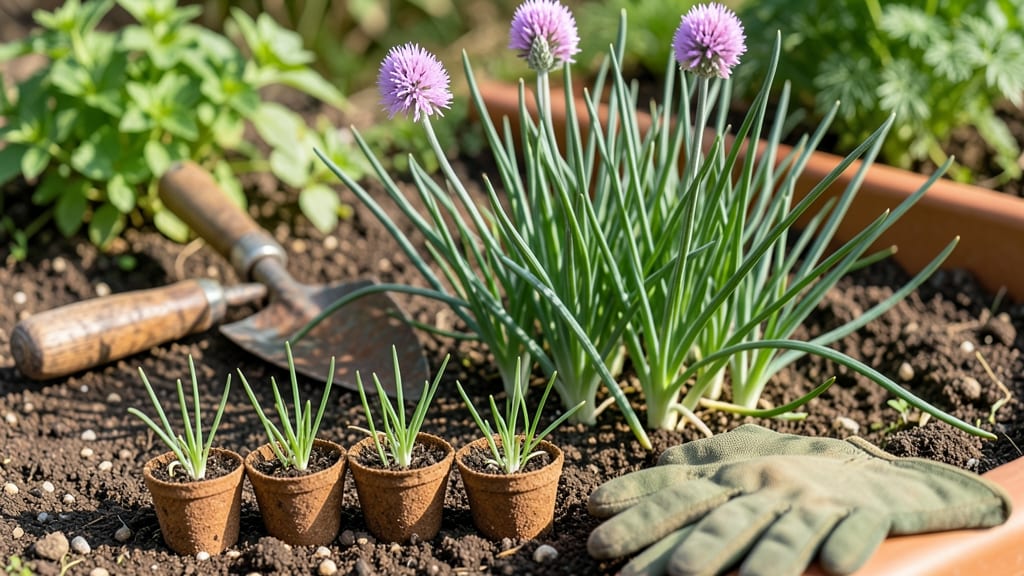
If you're wondering when to plant chives in Zone 7, timing is everything—especially if you want those vibrant purple blooms and fresh green leaves to return year after year.
Chives are tough little plants, but even they need the right start to thrive in Zone 7's mild but unpredictable climate.
As a perennial, chives come back stronger every season, but only if you plant them at the perfect moment. In Zone 7, that means getting them in the ground 4-6 weeks before your last frost—typically by early April—or in early fall for a second chance at growth.
Miss this window, and you might end up with stunted plants or even worse, no regrowth at all.
What makes chives so special is their adaptability—they handle both spring and fall planting like a champ. But here's the secret: the key to continuous harvests lies in preparing your soil just right and spacing them properly.
I'll show you exactly how to set them up for success so you can enjoy fresh chives from late spring through fall.
Ready to grow chives that keep coming back? Let's dive into the exact planting schedule, soil prep tips, and pro tricks for maximizing regrowth in Zone 7—no guesswork, just results.
Best planting windows for chives in Zone 7: exact weeks before last frost
Chives love Zone 7’s climate, but timing their planting is everything. In this zone, the average last frost falls around April 15, but your exact window depends on microclimates. Planting 4-6 weeks before the last frost gives chives enough time to establish roots before summer heat arrives.
For fall planting, aim for 6-8 weeks before the first frost (mid-October), allowing roots to settle before winter dormancy.
Zone 7’s mild winters mean chives can survive light frosts, but avoid planting in late fall when soil temperatures drop below 40°F (4°C). This timing ensures your chives return stronger each year. My first attempt at late-spring planting failed because I waited until May—always plan ahead!
🌱
| Planting Window | Zone 7 Timing | Key Considerations |
|---|---|---|
| Early Spring | March 15–April 1 (4-6 weeks before last frost) | Soil should be workable; avoid soggy conditions. |
| Late Spring | April 15–May 1 (risky; only if frost-free) | Use row covers if late frosts occur. |
| Early Fall | September 1–October 1 (6-8 weeks before first frost) | Ideal for perennial regrowth; mulch heavily. |
| Late Fall | October 15–November 1 (avoid) | Roots won’t establish before winter; plant next spring. |
🌿 Pro Tip: Use a frost calendar for your specific Zone 7 county—local variations matter!
For container gardening, adjust timing slightly—containers warm up faster, so plant 2-3 weeks earlier in spring or 1-2 weeks later in fall. My balcony chives thrive when I plant them by March 1 in pots, giving them a head start.
Just ensure containers have drainage holes to prevent root rot in Zone 7’s humid summers.
Chives’ perennial nature means they’ll return year after year if planted correctly. In Zone 7, their cold hardiness (Zone 3-9) ensures they’ll bounce back after winter, but spring planting gives them the best head start. I’ve seen chives survive -30°F (-34°C) winters, but their growth speed depends on early-season warmth.
If you’re starting from seeds, sow them indoors 6-8 weeks before your last frost date. My seed-starting schedule for Zone 7 has me planting chive seeds in early February for transplanting in March. This method guarantees a longer harvest window because seedlings get a jump on the season.
For transplants, choose established plants from nurseries—these adapt faster to Zone 7’s soil. I prefer buying bare-root chives in early spring and planting them as soon as the soil is workable. This method cuts down on transplant shock and ensures bolder regrowth the following year.
Watch for late frosts in Zone 7, which can sneak in until mid-April. Use frost cloths if planting early, especially in valley areas where cold air settles. My garden’s chives in the low spot always need extra protection compared to those on the hillside.
💧
Best planting windows for chives in Zone 7: exact weeks before last frost
Chives love Zone 7’s mild climate, but their perennial nature means timing is everything for bold regrowth. Plant too early, and frost can damage tender roots. Too late, and they won’t establish before winter.
The sweet spot is 4-6 weeks before your average last frost date (typically April 15 in Zone 7). This gives chives time to root deeply before summer’s heat.
For most of Zone 7, that means mid-to-late March for spring planting. If you prefer fall planting, aim for early September—chives need 6-8 weeks to establish roots before the first frost (usually mid-October). Fall-planted chives often outperform spring because they establish roots in cooler weather.
| Planting Window | Weeks Before Last Frost | Zone 7 Dates | Best For |
|---|---|---|---|
| Early Spring | 4-6 weeks | Mid-to-late March | Fast summer harvest |
| Fall | 6-8 weeks | Early September | Strong root growth |
Adjust your timing if your Zone 7 area has early or late frosts. Check your local USDA frost calendar—some areas in Zone 7 (like the Appalachians) frost later than April 15.
In those cases, push planting to late March or even early April. Conversely, if you’re in drier western Zone 7, chives may need an extra week to establish.
Pro tip: Use seedlings instead of seeds for faster results. Chives grown from seed take 60-75 days to mature, leaving little room for error in Zone 7’s short growing season. Nursery starts (even small 6-inch pots) give you a 2-3 week head start and stronger roots.
Once planted, chives thrive with minimal fuss. They’re drought-tolerant once established but prefer moist, well-draining soil. A 2-inch layer of mulch (straw or shredded leaves) helps retain moisture and protect roots during Zone 7’s unpredictable temperature swings.
For year-round harvests, plant chives in both spring and fall. This staggered approach ensures fresh purple-stemmed leaves from late spring through fall, with minimal winter dieback. Just avoid planting in extreme heat waves (above 90°F), which can stress young plants.