
Plants
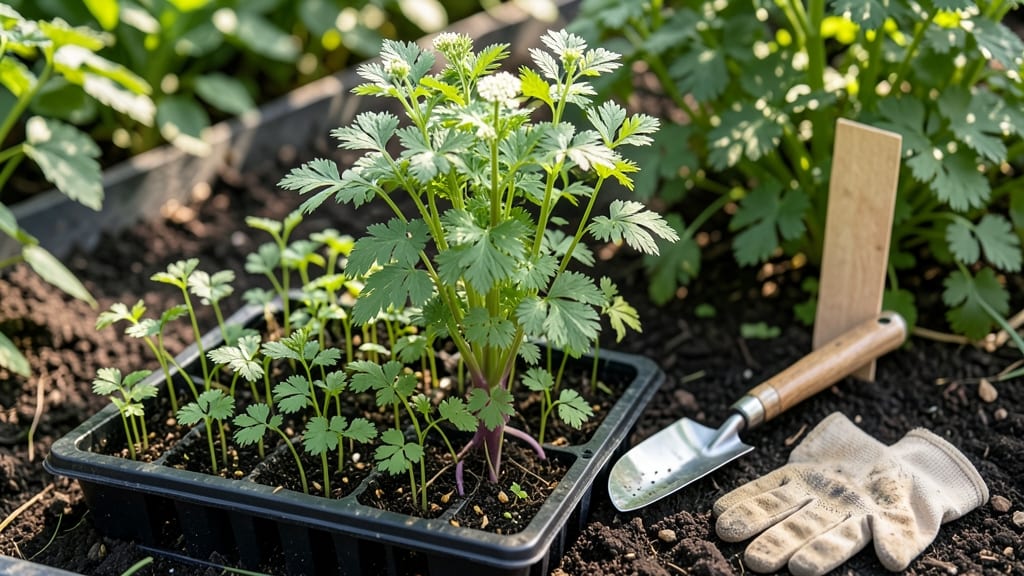
If you’ve ever planted cilantro in Florida only to watch it bolt into bitter flowers by midday, you’re not alone—this is the #1 frustration for gardeners here. The key to growing fresh, flavorful cilantro 🌿 year-round isn’t luck; it’s timing, shade, and the right varieties for Florida’s 9a-11 climate.
Most gardeners assume cilantro is a summer crop, but that’s a recipe for disappointment. In Florida’s heat, cilantro thrives when temperatures stay below 80°F, which means fall, winter, and spring are your golden windows.
Even then, coastal areas like Miami handle heat slightly better than inland zones, so we’ll break down the best months for your specific microclimate.
Let’s cut to what works: heat-resistant varieties like ‘Santo’ and ‘Calypso’ can stretch your harvest window by 30-60 days, while shade cloth and consistent moisture tricks keep bolting at bay.
I’ll show you exactly how to time your plantings—plus what to do when summer rolls around (spoiler: cilantro isn’t the answer).
Ready to grow cilantro that actually lasts? By the end, you’ll know the perfect planting schedule, soil prep secrets, and companion plants that keep your cilantro happy—no bitter surprises included.
Optimal planting windows for cilantro in Florida’s climate zones
Florida’s unique climate—spanning USDA Zones 9a-11—means cilantro can grow year-round, but timing is everything to avoid the dreaded bolting (premature flowering). In North Florida (Zones 8a-9a), cooler winters create ideal conditions, while South Florida (Zones 10a-11) demands heat-resistant strategies.
Let’s break down the best months to plant based on your region.
For North Florida, aim for late summer to early spring (August through April). This window avoids the brutal summer heat while maximizing frost-free days.
In Central Florida (Zones 9a-9b), extend planting into May and June with shade protection, while South Florida gardeners can plant year-round but prioritize fall and winter for peak performance.
Here’s the key: Cilantro bolts when temps exceed 80°F. In Florida, this means summer planting is risky unless you use heat-tolerant varieties and shade cloth. The ideal soil temperature for germination is 60-70°F, so avoid planting during Florida’s hottest months (July-August) unless you’re prepared for extra care.
Microclimates matter! Coastal areas like Miami or Tampa stay warmer year-round, while inland cities like Orlando or Gainesville experience more temperature swings. Use these differences to your advantage—plant earlier in inland zones and later near the coast.
Now, let’s dive into the month-by-month breakdown tailored to Florida’s three main regions. This table will help you align your planting schedule with local conditions to maximize your harvest and minimize bolting risks.
| Region | Best Planting Months | Key Considerations | Heat Risk |
|---|---|---|---|
| North Florida (Zones 8a-9a) | August–April | Avoid summer heat; use row covers in spring | Low (Oct–Mar), High (May–Jul) |
| Central Florida (Zones 9a-9b) | September–June | Use 30% shade cloth in summer; mulch heavily | Medium (Apr–Jun), High (Jul–Sep) |
| South Florida (Zones 10a-11) | Year-round (peak: Sep–Mar) | Plant in partial shade; succession plant every 2 weeks | High (May–Oct), Low (Nov–Apr) |
If you’re in North Florida, start seeds indoors in late July for transplants by August 15. This gives your cilantro a head start before temperatures drop in fall. For Central Florida, direct sow in September and again in January for two harvest cycles.
In South Florida, you can plant every 2 weeks year-round, but focus on fall and winter for the best flavor and growth.
Pro tip: Use a soil thermometer to monitor temperatures. Cilantro seeds won’t germinate well if soil exceeds 85°F. If you’re planting in summer, water the soil thoroughly before sowing to cool it down. Mulching with straw or shredded leaves also helps maintain even soil temperatures.
Remember, cilantro is a cool-season crop, so it thrives when days are shorter and nights are cooler. In Florida, this means fall and winter are your golden windows. But with the right varieties and shade strategies, you can extend your harvest into spring and even summer with success.
Next, we’ll explore the top heat-resistant cilantro varieties that can handle Florida’s heat—some even stay productive in 90°F+ temperatures! These cultivars are your secret weapon for year-round cilantro in the Sunshine State.
Optimal planting windows for cilantro in Florida’s climate zones
Florida’s 9a-11 climate zones create wild temperature swings—from 90°F+ summers to 50°F winter lows in the Panhandle. Cilantro, a cool-season herb, bolts (goes to seed) when temps hit 80°F, so timing your plantings by zone is non-negotiable.
Coastal areas like Miami can handle late summer sowings, while inland zones (e.g., Orlando) need fall/winter focus to avoid disaster.
Here’s the truth: August through April are your safest months, but microclimates matter. Coastal gardens near the Gulf or Atlantic breeze can push cilantro into May or early June, while inland heat sinks (like Ocala) should stop by March.
Let’s break it down by zone so you can plant with confidence.
| Zone | Best Planting Window | Heat Threshold | Key Tip |
|---|---|---|---|
| North Florida (9a) | Sept–March | Below 75°F | Use row covers in winter for frost protection |
| Central Florida (9b-10a) | Aug–April | Below 80°F | Plant shade cloth by late Feb to delay bolting |
| South Florida (10b-11) | Year-round (best Aug–May) | Below 85°F | Try ‘Santo’ variety for summer resilience |
Notice how Central Florida’s window stretches into April? That’s because Orlando’s humidity keeps temps cooler longer than inland areas. In contrast, South Florida’s extended window lets you cheat the system with heat-tolerant varieties—more on those later.
The key is to start seeds indoors 4-6 weeks before your zone’s first 75°F day to give seedlings a fighting chance.
Pro move: Succession plant every 2-3 weeks from August through January. This ensures a steady supply of fresh cilantro without overwhelming your garden. For example, if you plant 20 seeds on August 15, follow up with 10 more on September 1 and another 10 on September 15.
By the time the first batch bolts in late October, you’ll have two fresh batches ready to harvest.
What about summer plantings? I’ll be honest—it’s a gamble. Even with shade cloth, cilantro will bolt faster in June-August. Instead, save your energy for fall and consider coriander (the same plant, different name) if you’re desperate for that citrusy flavor in summer.
It’s more heat-tolerant and won’t bolt as quickly.
One last secret: Soil temperature matters just as much as air temperature. Cilantro seeds won’t germinate if soil stays above 85°F. Use a soil thermometer ($10 at garden centers) to check before planting.
If it’s too hot, wait for evening temps to drop or use black plastic mulch to cool the soil.