
Plants
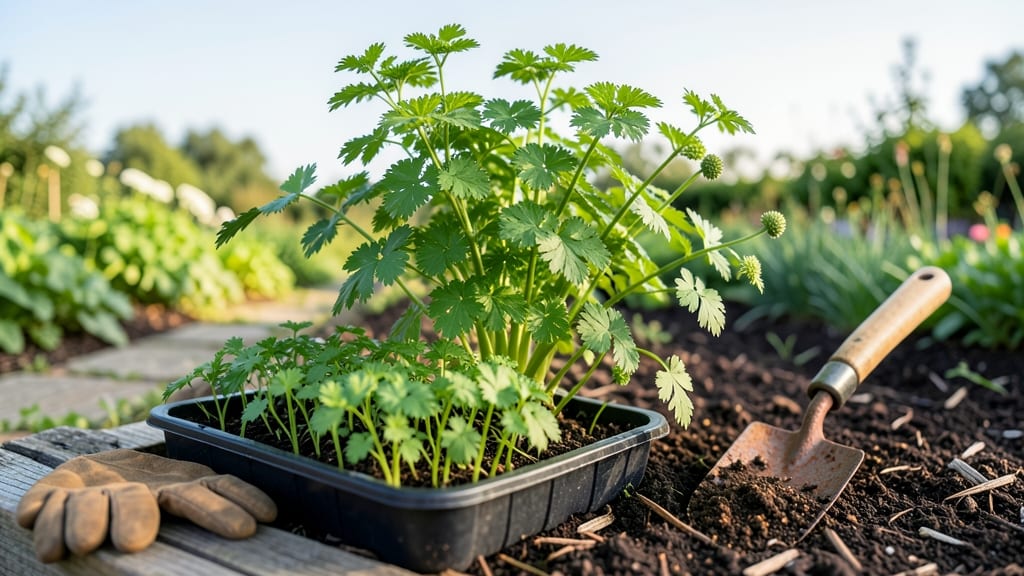
Timing your cilantro planting just right in North Carolina can mean the difference between a lush, flavorful harvest and a bitter disappointment. This cool-weather herb 🌿 bolts quickly when temperatures rise, but with the right strategy, you can enjoy fresh cilantro all year.
Most gardeners in NC's 6b-8a zones know spring and fall are the prime windows—March-April for early crops and August-September for fall—but the devil's in the details. We'll show you exactly when to start seeds outdoors or indoors to beat the heat and avoid bolting before harvest time.
You'll also discover which cilantro varieties handle NC's summer heat better than others, plus proven techniques to extend your harvest through strategic planting and care. No more wasted seeds or sad, bolting plants—just a steady supply of fresh cilantro for your favorite recipes.
Let's dive into the exact planting schedule, heat-resistant varieties, and simple tricks that'll keep your cilantro thriving when others give up. Your kitchen (and tacos) will thank you!
Best planting times for cilantro in North Carolina’s climate zones
North Carolina’s diverse climate—from the Coastal Plain’s humidity to the Mountains’ cooler temps—means cilantro planting times vary dramatically. The key is planting when soil temps stay below 75°F and nights remain cool enough to prevent bolting.
If you miss these windows, your cilantro will turn bitter or flower prematurely.
For most of NC, the ideal planting windows are early spring (March-April) and late summer/early fall (August-September). These periods align with USDA Zones 6b-8a and avoid the brutal summer heat that triggers bolting. Let’s break it down by region to maximize your harvest.
🌱
In the Coastal Plain, where humidity spikes in summer, cilantro struggles after April 15. The Piedmont’s hot afternoons make late spring plantings risky, while the Mountains’ cooler air lets you push cilantro into early May or even mid-August for fall harvests.
Always check your local last frost date—planting too early risks frost damage, while planting too late risks bolting.
For direct sowing, start seeds indoors 4-6 weeks before your region’s last frost date. Transplant seedlings outdoors when soil temps drop below 70°F at night. In the Coastal Plain, this might mean waiting until mid-April, while Mountain gardeners can plant as early as late March.
🌿
If you’re eager for an early spring harvest, try succession planting every 2 weeks from March through April. This staggered approach ensures a continuous supply of fresh cilantro before summer heat sets in.
For fall harvests, aim to plant by mid-August—any later and you’ll battle bolting by October.
Pro tip: Use shade cloth (30-50%) if you must plant in late spring. This simple trick can lower soil temps by 10-15°F and delay bolting by 2-3 weeks. Pair it with daily evening watering to keep roots cool and happy.
💧
Remember, cilantro is a cool-season crop, not a summer warrior. When temps climb above 80°F for more than 3 days, it’s time to pull up and replant for fall.
With these regional timelines, you’ll avoid the bitter disappointment of a failed cilantro crop and enjoy fresh, flavorful leaves all season long.
Heat-tolerant cilantro varieties that survive NC summers
Not all cilantro varieties bolt at the first sign of heat—some are bred to handle North Carolina’s summer temperatures better than others. If you want fresh cilantro in July or August, choosing the right variety is your first line of defense against bitter disappointment.
Heat-tolerant cilantro varieties like Calypso and Slow Bolt can survive 85°F+ temperatures for short periods, while others like Santo offer a longer harvest window. These varieties are specifically bred to delay bolting, giving you more time to enjoy fresh leaves before the plant flowers.
For Coastal NC, where humidity adds stress, look for varieties labeled as drought-tolerant or heat-resistant. In the Piedmont and Mountains, cooler nights help, but even there, heat spikes in late summer can trigger bolting.
Here’s how these varieties compare in real-world NC growing conditions:
To maximize your harvest, pair these varieties with succession planting. Sow seeds every 2-3 weeks from March to September, focusing on late summer plantings (August) for a fall harvest before frost hits.
For example, plant Calypso in early August in the Piedmont—it’ll thrive in the cooler fall air and give you fresh leaves through October or November. In Coastal NC, where summers drag on, opt for Slow Bolt and use shade cloth to protect seedlings from intense afternoon sun.
Experiment with these varieties in your garden, and you’ll find the perfect balance of heat resistance and flavor for your specific NC microclimate. The key is to start early, stay consistent with plantings, and be ready to harvest before bolting takes over.