
Plants
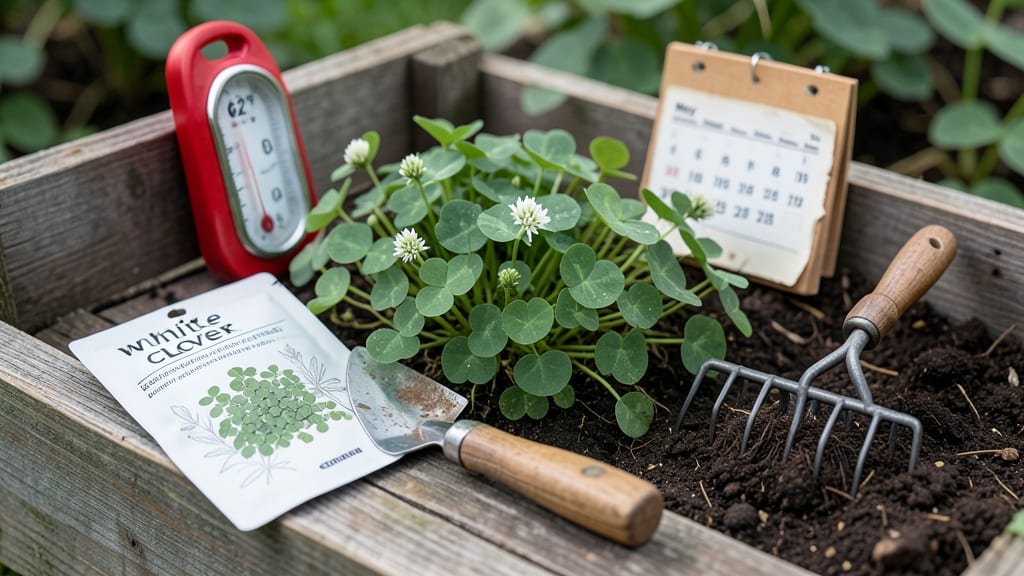
Timing your clover planting in Iowa right can mean the difference between a lush, nitrogen-rich ground cover and a patchy, struggling lawn. With Iowa's 5a-6b climate swings, knowing when to plant isn't just about the calendar—it's about soil temperature and regional frost patterns that create the perfect window for germination.
Most gardeners in Iowa rush to plant clover too early, only to watch their seeds rot in cold, damp soil.
The ideal window actually opens when soil temperatures hit 50°F—typically early spring (March-April) or late summer (August-September)—giving those delicate roots the warmth they need to take hold before summer heat or winter freeze sets in.
But here's the catch: Southern Iowa's warmer microclimates might let you plant a week earlier than northern counties.
I'll break down exactly how to read your soil's temperature cues and adjust your planting schedule so your 🌱 clover establishes strong, deep roots that thrive year-round—whether you're growing it for hay, erosion control, or natural lawn improvement.
Ready to skip the guesswork? Let's dive into the science-backed timing that'll have your clover thriving when most gardeners are still waiting for the "perfect" moment that never comes.
Iowa’s ideal soil temperature ranges for planting clover
Getting the timing right for planting clover in Iowa starts with understanding soil temperature triggers. Unlike many plants, clover thrives when the ground warms to 45°F–65°F, creating the perfect balance for germination and root development.
In Iowa’s climate, this window typically opens in early spring (March–April) or late summer (August–September), but exact timing depends on your county’s microclimate.
For red clover, the sweet spot is 50°F–60°F, while white clover and alsike clover prefer slightly cooler soils (45°F–55°F). Planting too early in cold soil can delay sprouting, while waiting too long risks summer heat stress.
Testing soil temperature with a soil thermometer (or even your elbow—if it feels cold, it’s not ready) is the surest way to avoid guesswork.
🌱 Clover Soil Temperature Guide for Iowa
| Clover Type | Ideal Soil Temp | Best Planting Window | Iowa Region |
|---|---|---|---|
| Red Clover | 50°F–60°F | March–April or August–September | All regions |
| White Clover | 45°F–55°F | April–May or September | Northern Iowa |
| Alsike Clover | 48°F–58°F | April–May or August | Southern Iowa |
Pro Tip: Use a soil thermometer at 2-inch depth for accurate readings. Morning tests (9–11 AM) reflect overnight cooling trends.
Northern Iowa gardeners should aim for late April to early May when soil finally warms past 50°F, while southern counties can start as early as mid-March. The key is avoiding frost risk while ensuring seeds don’t bake in summer heat.
For fall planting, target late August to early September—this lets clover establish roots before winter without competing with summer weeds.
One common mistake is planting clover when the air feels warm but the soil is still cold. For example, a 60°F air temp in March might mask 40°F soil, stalling germination.
To check, press your elbow into the soil—if it feels chilly, wait a few more days. Mulching with straw after planting helps retain warmth and moisture, especially in Iowa’s windy springs.
For cover crop mixes, include clover with grasses like rye or fescue to create a living mulch that suppresses weeds and improves soil health. The clover’s nitrogen-fixing roots will also benefit your lawn or garden beds long-term.
Just remember: shallow planting (1/4 inch deep) is critical—clover seeds need light to germinate, so avoid burying them too deeply.
If you’re planting clover for honeybees, prioritize red or alsike clover, which bloom prolifically and attract pollinators. Time your planting so flowers appear in late spring to early summer, when bees are most active.
In Iowa, this means aiming for a May–June bloom by planting in April or early September.
For lawn renovation, overseed clover in early fall (September) to take advantage of cooler temps and consistent rainfall. This approach lets clover establish before winter, giving it a head start in spring.
Pair it with overseeding grass seed for a low-maintenance, drought-resistant lawn that stays green even during Iowa’s dry spells.
Finally, don’t overlook soil pH—clover prefers 6.0–7.0. Test your soil before planting and amend with lime (to raise pH) or sulfur (to lower pH) if needed. A simple $20 soil test kit from your local extension office will save you time and frustration down the road.
By mastering these soil temperature triggers, you’ll ensure your clover grows thick, lush, and resilient—ready to handle Iowa’s hot summers, cold winters, and everything in between. 🌿
Best planting months in Iowa: a county-by-county breakdown
Iowa’s diverse climate zones mean planting clover timing varies dramatically between southern and northern counties. In southern Iowa (USDA Zones 5b-6a), like Des Moines or Cedar Rapids, you can start as early as late February for frost-seeding, but ideal germination occurs when soil hits 50°F in March-April.
Northern areas like Dubuque or Waterloo (Zones 4b-5a) should wait until mid-April to avoid frost damage.
For fall planting, aim for late August to mid-September across most of Iowa. This gives clover seeds time to germinate before the first frost (mid-October in southern regions, early October in the north). Frost dates are your best guide—plant when daytime temps stay above 60°F consistently.
| Region | Spring Planting Window | Fall Planting Window | Key Consideration |
|---|---|---|---|
| Southern Iowa (Des Moines, Cedar Rapids) | Late Feb - Early April | Late Aug - Mid-Sept | Warmer soils, earlier last frost |
| Central Iowa (Ames, Iowa City) | Mid-March - Early April | Early Sept - Late Sept | Moderate frost risk |
| Northern Iowa (Dubuque, Waterloo) | Mid-April - Early May | Early Sept - Early Oct | Cooler soils, later frost |
If you’re planting for spring forage, prioritize early spring (March-April) to maximize growth before summer heat. For fall cover crops, late summer planting ensures roots establish before winter. Rainfall patterns also play a role—southern Iowa’s drier springs may require irrigation, while northern areas benefit from consistent moisture.
Pro tip: Use a soil thermometer to verify temps before planting. Aim for 50°F for red clover and 55°F for white clover. In dry years, consider oversowing with a nurse crop like rye to protect young clover seedlings.
For pasture renovation, combine clover with grass seed in late summer. This two-step approach leverages Iowa’s humid summers for rapid establishment. Always test soil pH (6.0-7.0) before planting—clover struggles in acidic soils.
Remember: Frost dates shift yearly. Check the Iowa State University Extension frost maps for real-time updates. With the right timing, your clover will thrive as a living mulch, suppressing weeds and enriching soil naturally. 🌱