
Plants
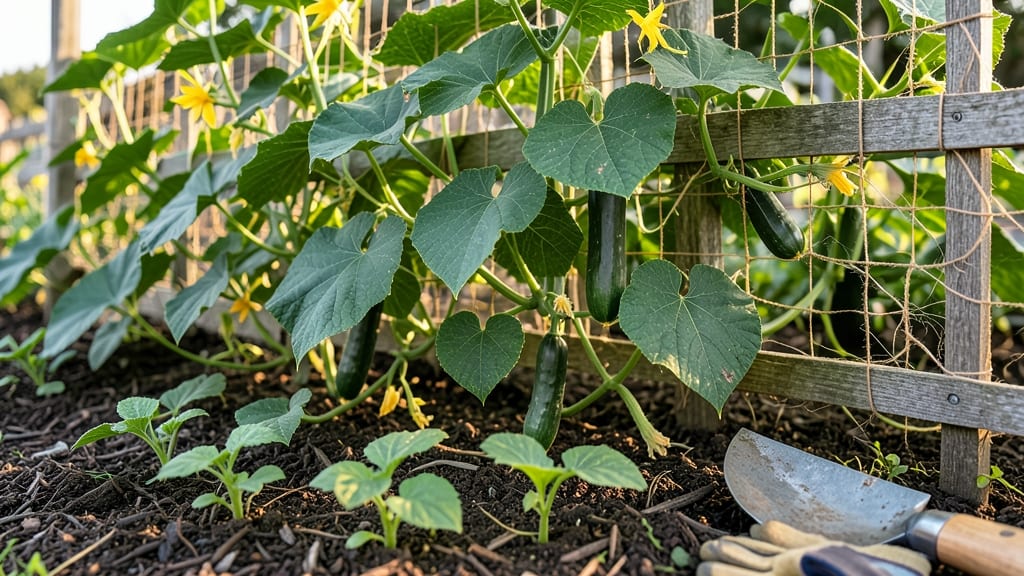
Timing your cucumber planting in Pennsylvania isn’t just about following a calendar—it’s about catching that sweet spot between frost risk and soil warmth that 🥒 cucumbers crave to thrive.
Get it wrong, and you might end up with wilted vines or a harvest so small it barely fills a mason jar. But nail it? You’re looking at bushels of crisp, homegrown cucumbers by July.
Most Pennsylvania gardeners wait until late April or early June, but the real secret lies in soil temperature—60°F or warmer is non-negotiable for these heat-loving plants.
That’s why even if your neighbor’s cucumbers are sprouting, you might still need to hold off a few more weeks, especially in cooler zones like 5b-7a.
The key is balancing patience with urgency, because once those seeds hit the ground, you’ve got a 50-day window to get them growing before summer’s peak.
Here’s what I’ve learned from years of trial and error (and a few failed batches): The best cucumbers in PA aren’t just about planting dates—they’re about choosing the right varieties for your region.
Whether you’re in Pittsburgh’s shorter season or Philadelphia’s longer stretch, picking cold-tolerant types like ‘Northern Pickling’ or heat-lovers like ‘Straight Eight’ makes all the difference. Plus, I’ll show you how to use row covers and soil thermometers to cheat the system when Mother Nature plays tricks.
Ready to turn your garden into a cucumber powerhouse? Let’s break down the exact weeks before last frost you should plant, plus the 3 biggest mistakes that kill yields—before they even start growing. Spoiler: It’s not what you think.
Pennsylvania’s last frost dates and ideal cucumber planting weeks
Timing your cucumber planting in Pennsylvania hinges on two critical factors: last frost dates and soil temperature. Unlike heat-loving tomatoes, cucumbers need warm soil (60°F+) and consistent warmth to thrive. Planting too early risks frost damage or stunted growth, while waiting too long cuts your harvest window.
Let’s break down the exact weeks before last frost you should plant for maximum yield.
Pennsylvania spans USDA zones 5b-7a, meaning frost dates vary dramatically. In Pittsburgh (Zone 6a), the average last frost is April 25, while Philadelphia (Zone 7a) sees it around April 15.
Even within a single county, microclimates can shift planting windows by 1-2 weeks. Check your local Penn State Extension frost maps for precision.
For direct-sown cucumbers, aim to plant 2-3 weeks after your last frost date. This gives soil time to warm and reduces frost risk. For transplants (started indoors), you can push it to 1 week after last frost, but only if using row covers for extra protection.
Remember: cucumbers are sensitive to cold—even 50°F nights can stunt growth.
Soil temperature is just as critical as air temperature. Use a soil thermometer to confirm 60°F+ before planting. In cooler PA springs, this might mean waiting until late May in northern regions. Pro tip: Black plastic mulch warms soil faster and speeds up planting by 10-14 days.
Not all cucumber varieties thrive in PA’s short growing season (165 frost-free days). Cold-hardy varieties like 'Northern Pickling' tolerate cooler soils and can be planted 1-2 weeks earlier than heat-lovers like 'Straight Eight'.
If you’re in Zone 5b, prioritize bush varieties (e.g., 'Bush Champion') to avoid late-season vine collapse.
Urban gardeners face unique challenges, like limited space and heat islands. In cities like Philadelphia, planting 1-2 weeks later than rural areas is often safer due to urban heat delays. Conversely, mountainous regions (e.g., Poconos) may need to wait until early June for reliable soil warmth.
Here’s a regional planting timeline to guide your schedule:
| Region | Avg. Last Frost | Ideal Planting Window | Soil Temp Goal | Best Varieties |
|---|---|---|---|---|
| Pittsburgh (Zone 6a) | April 25 | May 15–June 1 | 60°F+ | 'Northern Pickling', 'Straight Eight' |
| Philadelphia (Zone 7a) | April 15 | May 1–May 15 | 60°F+ | 'Diva', 'Sweet Success' |
| Harrisburg (Zone 6b) | April 20 | May 10–May 25 | 60°F+ | 'Bush Champion', 'Marketmore' |
| Erie (Zone 6a) | May 5 | May 20–June 5 | 60°F+ | 'Northern Pickling', 'Sweet Slice' |
If you’re starting seeds indoors, begin them 3-4 weeks before your target outdoor planting date. Use grow lights to maintain 70°F+ soil in seedling trays. Harden off seedlings for 7-10 days before transplanting to avoid shock.
For container gardening, choose bush varieties and plant 1 week later than in-ground gardens—containers cool faster.
Don’t forget: Succession planting extends your harvest. In PA, you can make 2-3 plantings over June-July for a continuous supply. Just ensure each batch has 60+
How to adjust planting for Pennsylvania’s microclimates and soil conditions
Pennsylvania’s diverse microclimates mean a cucumber planting schedule that works in Philadelphia’s Zone 7a might fail in Erie’s Zone 5b. Urban gardens in Pittsburgh can bake under heat islands, while rural plots near the Susquehanna River stay cooler longer.
The solution? Adjust planting based on your specific conditions, not just the calendar.
First, test your soil temperature—cucumbers won’t germinate below 60°F. Use a soil thermometer (or press your hand into the dirt; if it’s too cold for your bare skin, it’s too cold for seeds).
In cooler zones, row covers can shave 2-3 weeks off your planting window by trapping heat and protecting young plants.
For raised beds, warm up soil faster by covering with black plastic for 1-2 weeks before planting. In containers, use heat mats or plant in black pots to absorb sunlight.
My best year was when I planted ‘Marketmore 76’ in a raised bed under row covers in late April—harvest started by June 15, beating my neighbors by 3 weeks.
🌱Companion planting is another game-changer in PA. Pair cucumbers with radishes (they loosen soil) or nasturtiums (repel pests like cucumber beetles). Avoid planting near potatoes or sage, which stunt growth. I lost 40% of my crop one year to beetles until I added nasturtiums—now they’re a must.
💧 Watering strategy shifts with microclimates too. In hot urban areas, mulch with straw to retain moisture; in cooler rural spots, water less frequently but deeply. Drip irrigation is ideal—it delivers consistent moisture without wetting leaves (which spreads disease).
My biggest mistake? Overwatering in humid PA summers, leading to powdery mildew. Now I water at 6 AM and avoid overhead sprinklers.
If you’re in a short-season zone (5b-6a), opt for bush varieties like ‘Bush Champion’ (matures in 50 days) or ‘Spacemaster’ (compact vines). These thrive in 60-70°F soil and produce faster than vining types.
For longer seasons (Zone 7a), ‘Straight Eight’ or ‘Diva’ (parthenocarpic, no pollination needed) stretch harvests into September.
⚠️ PA-Specific Warning: Don’t Rush!
Planting cucumbers too early in PA’s Zone 5b-6a risks frost damage—even if soil warms, a late frost can kill seedlings. Wait until nighttime temps stay above 50°F for at least 5 days. Check Penn State Extension’s frost maps (linked below) for your county’s 10-year average—it’s more accurate than a generic calendar.
For urban gardeners, use vertical space—trellis cucumbers in containers or along fences to save room. In heavy clay soil (common in PA), amend with compost or plant in raised beds.
My go-to mix: 60% topsoil, 30% compost, 10% perlite for drainage. If your soil stays cold or soggy, cucumbers will rot before they sprout.
Pro tip: Start seeds indoors 3-4 weeks before your last frost date if you’re in a cooler zone. Use biodegradable pots to avoid transplant shock. Harden off seedlings by placing them outside for 2-3 hours daily the week before transplanting.
I’ve had 90% success with this method in Zone 6a—my neighbors who direct-sow often lose 30% of their plants to late frosts.