
Plants
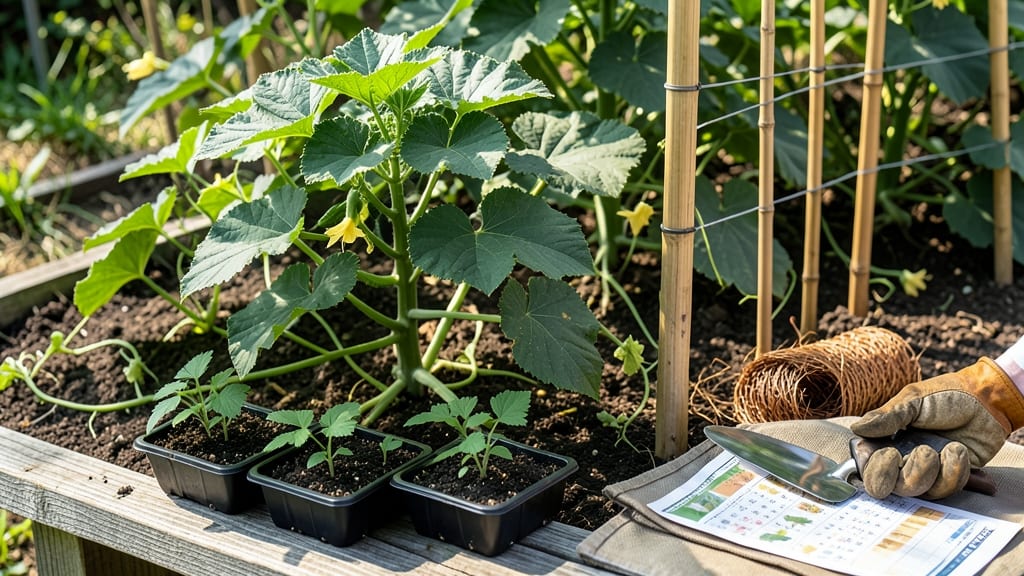
Timing your cucumber planting in Zone 6A isn’t just about following a calendar—it’s about catching that sweet spot between frost danger and scorching summer heat. 🥒 With just 165 frost-free days in this zone, one wrong move could leave you with wilted vines instead of crisp, homegrown harvests.
Most gardeners in 6A wait until mid-April to early May, but the real secret lies in soil temperature.
Cucumbers crave warmth—planting too soon when the ground is still chilly (below 60°F) stalls growth, while waiting too long risks running out of time before harvest season ends in September.
Whether you’re direct-sowing seeds or transplanting seedlings, I’ll break down the exact 3-4 week window before your last frost date that sets up your cucumbers for success. Plus, I’ll share how to outsmart Zone 6A’s short growing season with simple tricks like black plastic mulch and companion planting.
Skip the guesswork and learn how to turn your garden into a high-yielding cucumber factory—without the common pitfalls that trip up even experienced gardeners. Let’s get those vines climbing!
Optimal planting weeks before last frost in zone 6A for maximum yield
In Zone 6A, cucumbers thrive when planted after your average last frost date—typically between mid-April and early May. However, the exact timing depends on whether you're direct-sowing seeds or transplanting seedlings.
Cucumbers are warm-season crops that won’t tolerate frost, so rushing the process can lead to stunted growth or failure.
For direct sowing, wait until the soil temperature reaches at least 60°F (about 15.5°C). In Zone 6A, this usually aligns with 2-4 weeks after your last frost date. If you're transplanting seedlings, you can start slightly earlier—around 1-2 weeks after last frost—since they’re more resilient.
But always confirm your local frost dates using the USDA Plant Hardiness Zone Map or a local weather station.
Cucumbers need a long, frost-free growing season (at least 70-90 days), so planting too late can cut your harvest short. In Zone 6A, where summers are short and unpredictable, timing is everything.
Aim to plant 4-6 weeks before your first expected frost in fall (usually mid-October) to ensure a full harvest before cold weather sets in.
Here’s a quick rule of thumb: Count backward from your first frost date and plant cucumbers when you have at least 80 days until frost. For example, if your first frost is October 15, plant by July 15 for a full-season harvest.
This works for both bush varieties (faster-maturing) and vining types (longer season).
| Stage | Action | Zone 6A Timeline |
|---|---|---|
| Soil Prep | Amend soil with compost; test pH (6.0-6.8 ideal) | March-April |
| Seed Starting (Indoors) | Start seeds 3-4 weeks before last frost | Late March-Early April |
| Transplant Seedlings | After last frost, when soil is 60°F+ | Mid-April to Early May |
| Direct Sow Seeds | After soil warms to 60°F (1-2 weeks after last frost) | Late April-Early May |
| Harvest Window | 70-90 days after planting | July-September |
| First Frost Risk | Stop planting 4-6 weeks before first frost | Late July-August |
If you’re unsure about your exact last frost date, use local gardening resources like your county extension office or microclimate guides. For example, areas near large bodies of water may have later frost dates than inland regions.
Always err on the side of planting slightly late rather than risking frost damage to tender seedlings.
For direct sowing, plant seeds ½ inch deep and 1 inch apart in hills, thinning to 2-3 plants per hill when they’re 2 inches tall. If transplanting, harden off seedlings for 7-10 days before moving them outdoors.
Use black plastic mulch to warm the soil faster and suppress weeds, which can give your cucumbers a head start in Zone 6A’s cooler springs.
Pro tip: Plant fast-maturing varieties like 'Bush Champion' (55 days) or 'Straight Eight' (60 days) if your season is short. These varieties can outpace cooler temperatures and still produce a bountiful harvest before frost. Avoid long-season vining types like 'Marketmore' unless you’re extending your season with row covers.
Monitor your plants closely for early signs of stress, like yellowing leaves or stunted growth, which can indicate cold soil or transplant shock.
In Zone 6A, even a light frost can kill cucumber plants, so always have a backup plan like row covers or a cold frame ready if late frosts threaten.
How to extend your cucumber growing season in zone 6A’s short summers
Zone 6A’s short growing season (just 165 frost-free days) can feel like a race against time for cucumbers. But with the right strategies, you can start earlier and harvest later than you think.
The key is protecting tender seedlings from late frosts and extending warmth into fall—here’s how to do it right.
First, start seeds indoors 3–4 weeks before your last frost date (around April 1 in Zone 6A). Use biodegradable pots to avoid transplant shock, and place them near a south-facing window or under grow lights for 12+ hours daily. This head start gives you a 2-week advantage over direct sowing.
🌱 5 Proven Ways to Extend Your Cucumber Season
- 1. Row Covers: Use floating row covers to protect seedlings until soil warms to 60°F (usually mid-May in Zone 6A). These raise soil temps by 5–8°F and deter pests.
- 2. Black Plastic Mulch: Lay black plastic mulch 2–3 weeks before planting to warm soil faster. This lets you plant 1–2 weeks earlier and suppresses weeds.
- 3. Cold Frames: For a 4–6 week extension in fall, use cold frames or mini greenhouses to trap heat. Remove tops during the day to prevent overheating.
- 4. Succession Planting: Sow new seeds every 2 weeks from May to July for a staggered harvest. This ensures cucumbers ripen before the first frost (mid-October in Zone 6A).
- 5. Companion Planting: Pair cucumbers with bush beans or radishes to improve soil structure and deter pests. Avoid planting near potatoes or melons, which compete for nutrients.
Don’t overlook soil preparation—amend your beds with compost or aged manure in early spring to boost fertility. Cucumbers are heavy feeders, and rich soil means faster growth and bigger yields. Mix in a balanced fertilizer (5-10-10) at planting time for an extra boost.
For fall harvests, choose fast-maturing varieties like 'Straight Eight' (50 days) or 'Bush Champion' (55 days). These ripen quickly and tolerate cooler temps better than standard types. If frost threatens, harvest unripe cucumbers and store them in a cool, dark place for 1–2 weeks—they’ll continue ripening off the vine.
Finally, monitor weather forecasts and have row covers or frost cloth ready for sudden temperature drops. With these tricks, you can enjoy homegrown cucumbers from early June to late September—or even longer with careful planning!