
Plants
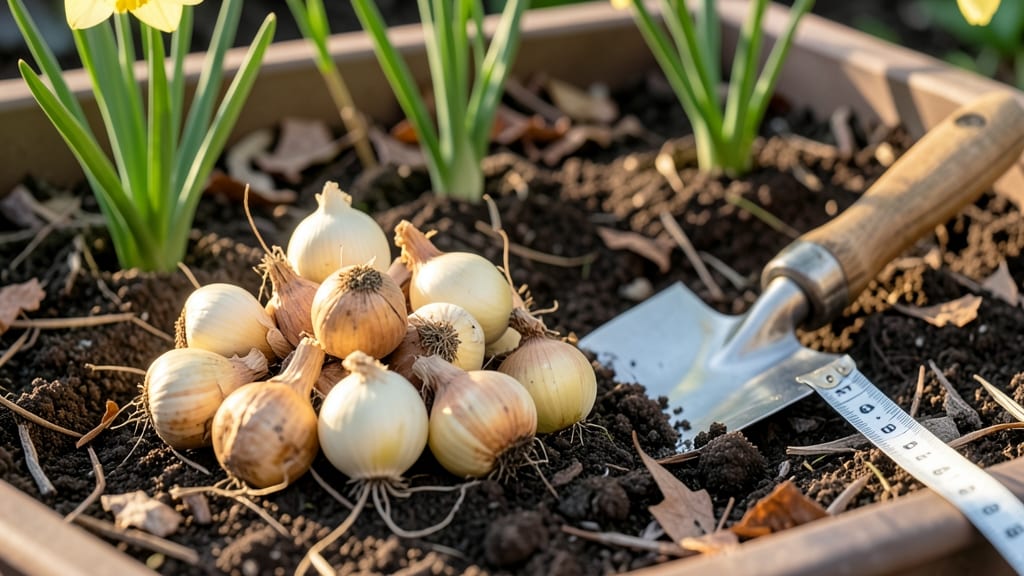
Planting daffodils at the wrong time in Tennessee could mean waiting extra months for those cheerful blooms—or worse, losing your bulbs entirely. The key to vibrant spring displays starts with understanding your zone's 6a-7b frost dates and soil conditions.
I've learned the hard way that timing matters more than most gardeners realize. In Tennessee's mild winters, daffodils need 6-8 weeks of cool soil before freezing to establish strong roots. That window opens in September and closes by November—but getting it perfect makes all the difference.
Whether you're a beginner or seasoned gardener, I'll show you exactly when to plant for best results in your specific Tennessee zone. We'll cover soil prep, container options, and how to handle those unpredictable fall weather shifts that can throw off even the most careful plans.
Ready to transform your yard into a sea of 🌼? Let's dive into the exact planting schedule that'll have your daffodils popping up right on schedule next spring—no guesswork required.
Best planting months for daffodils in Tennessee by hardiness zone
Tennessee’s diverse climate—spanning USDA zones 6a through 8a—means daffodil planting timing varies by region. The golden rule? Plant bulbs 6-8 weeks before the first hard frost, giving roots time to establish before winter dormancy.
In most of Tennessee, this window falls between mid-September and November, but exact dates depend on your zone and microclimate.
For example, gardeners in Northeast Tennessee (zone 6a) should aim for early planting (late August to early October) to beat the earlier frosts, while those in West Tennessee (zone 8a) can plant as late as December.
Understanding your zone’s frost dates ensures your daffodils bloom on time—no more waiting until late spring for those cheerful yellow trumpets!
Here’s a quick guide to Tennessee’s frost dates by zone, which will help you pinpoint your ideal planting window:
| Zone | First Frost | Ideal Planting Window | Soil Temp Cue |
|---|---|---|---|
| 6a (Northeast TN) | Mid-October | Late August–Early October | 50–60°F |
| 7a (Middle TN) | Late October | September–Mid-November | 55–65°F |
| 7b (Central TN) | Early November | September–Late November | 55–65°F |
| 8a (Southwest TN) | Mid-November | October–December | 60–70°F |
Pro tip: Check your local average frost dates using the Old Farmer’s Almanac or your county extension office. For instance, Nashville (zone 7a) typically sees its first frost around October 28, so aim to plant by mid-November.
Meanwhile, Chattanooga (zone 7b) can plant slightly later, up to late November.
Soil temperature is just as critical as frost dates. Daffodils thrive when soil cools to 50–65°F. Use a soil thermometer to confirm—planting too early in warm soil can cause bulbs to rot before roots establish. In Tennessee’s humid climate, well-draining soil is non-negotiable to prevent soggy bulbs.
If you’re in a warmer microclimate (like urban Nashville or Memphis), plant on the later end of your zone’s window. Conversely, high-elevation areas (e.g., the Smoky Mountains) may need earlier planting to avoid early frosts.
Always err on the side of planting too late rather than too early—daffodils are more forgiving of cooler soil than warm, moist conditions.
For container gardeners in Tennessee, the rules are slightly relaxed. Potted daffodils can handle late fall planting (November–December) as long as they’re moved to a protected location (like a garage or unheated shed) before freezing temperatures.
This flexibility makes daffodils a great choice for balconies or patios where in-ground planting isn’t possible.
One common mistake Tennessee gardeners make? Planting daffodils in spring. While it’s not impossible, spring-planted bulbs often fail to bloom the first year because they lack the winter chill period needed to trigger flowering.
Save spring planting for annuals or tender perennials—daffodils are perennials that reward patience with years of blooms.
Ready to dig in? Grab your bulb planter and mark your calendar for your zone’s ideal window. With the right timing, your Tennessee garden will burst into color by April, turning even the dreariest winter days into a celebration of spring’s arrival. 🌼
Best planting months for daffodils in Tennessee by hardiness zone
Tennessee’s diverse USDA zones 6a-8a mean your daffodil planting window varies by region. In Zone 6a (eastern Tennessee), aim for late September to mid-October—before the first frost hits around October 15.
Meanwhile, in Zone 7b (Memphis area), you’ve got until mid-November to plant, giving bulbs time to establish roots before winter chill sets in.
For all zones, soil temperature is your best guide: plant when it drops to 50-60°F at 4-6 inches deep. This ensures roots grow before dormancy. Mid-October is ideal for most of Tennessee, but don’t wait too long—bulbs need 6-8 weeks to root before freezing temperatures arrive.
Here’s how to match your zone to the perfect planting window:
| Zone | Best Planting Window | Soil Temp | Frost Risk |
|---|---|---|---|
| 6a (Eastern TN) | Late Sept–Mid-Oct | 50-60°F | High after Oct 15 |
| 7a (Middle TN) | Early Oct–Early Nov | 50-60°F | Moderate after Nov 1 |
| 7b (West TN) | Mid-Oct–Mid-Nov | 55-65°F | Low until Dec |
| 8a (Southeast TN) | Late Oct–Early Dec | 60-70°F | Minimal risk |
Pro tip: Use a soil thermometer to check temperatures if you’re unsure. In Zone 7b and warmer, you can even plant daffodils in early December for late-winter blooms, but avoid planting after January 1st—bulbs need chill time to flower.
For container planting, follow the same timeline but use well-draining pots. Place containers in a sheltered spot (like a garage or under an eave) to protect bulbs from freeze-thaw cycles that can damage roots. This works well for urban gardeners in Zone 7a-8a with limited ground space.
Remember, early planting (August) is risky in Tennessee’s heat—bulbs can rot before roots establish. Stick to the fall window, and your daffodils will reward you with bold spring blooms year after year. 🌼