
Vegetables
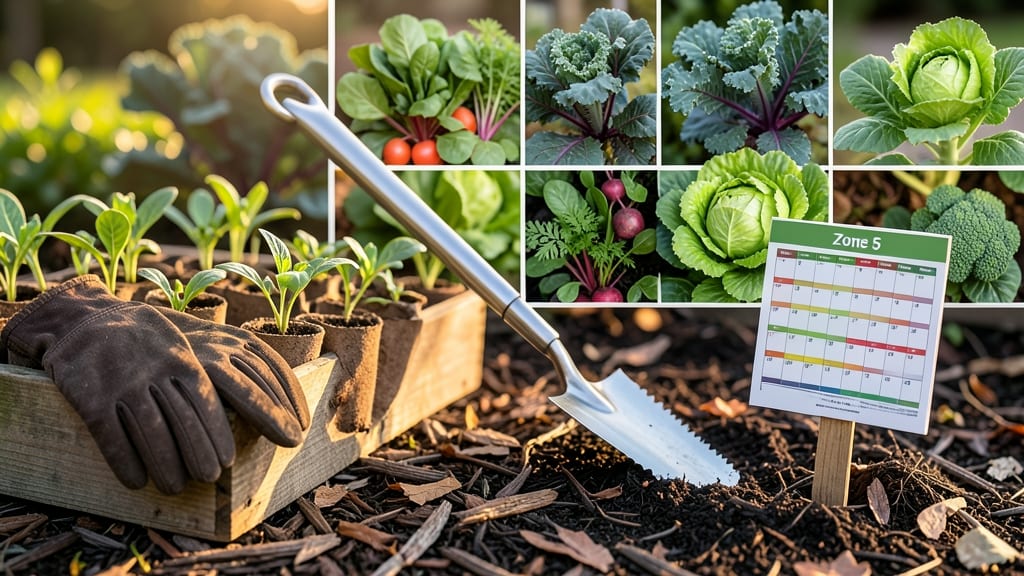
Planting fall vegetables in Zone 5 can feel like a race against time—but with the right timing, you’ll harvest crisp greens and hearty roots right up until winter sets in.
Most gardeners in Zone 5 (General) know the first frost arrives around October 10, but the key is planting 4–6 weeks before that date. Whether you’re growing 🥬 kale or carrots, the window between mid-August and early September is your golden opportunity.
Why does timing matter so much? Because fall vegetables thrive when soil stays warm enough for germination but cools just enough to slow bolting. I’ll break down the exact weeks to plant, which crops to prioritize, and how to stretch your harvest even longer with simple tricks.
Ready to turn your garden into a late-season feast? Let’s get started with the perfect planting schedule for Zone 5’s unpredictable fall weather.
Exact weeks before frost to plant fall vegetables in Zone 5
In Zone 5, where the average first frost hits around October 10, timing is everything for a successful fall harvest. Most cool-season vegetables need 4–8 weeks to mature before frost, so planning starts in late summer.
For example, leafy greens like spinach can handle light frosts, while broccoli needs warmer soil to establish roots.
Your planting window depends on the crop’s days to maturity. Fast growers like radishes (25–30 days) can be sown as late as early September, while slower varieties like Brussels sprouts (90+ days) must go in by mid-July.
The key is to calculate backward from your local frost date—use the USDA Plant Hardiness Zone Map for your exact location.
Here’s a general rule for Zone 5: Start transplants (like cabbage or kale) 6–8 weeks before frost (around mid-August) and direct-sow seeds (e.g., carrots, lettuce) 4–6 weeks before frost (around late August). Adjust for microclimates—south-facing beds warm up faster and may support later plantings.
🌱 Zone 5 Fall Planting Timeline
| Crop Type | Planting Window | Days to Maturity | Frost Tolerance |
|---|---|---|---|
| Leafy Greens (Spinach, Kale, Lettuce) | Late July–Early September | 30–60 days | High (survives light frost) |
| Root Crops (Carrots, Beets, Radishes) | Mid-August–Late August | 25–70 days | Moderate (harvest before hard frost) |
| Brassicas (Broccoli, Cabbage, Brussels Sprouts) | Mid-July–Early August | 60–90 days | Low (needs warm soil) |
| Alliums (Onions, Garlic, Leeks) | Late July–Early September | 60–120 days | Moderate (overwinter possible) |
📅 Pro Tip: Use row covers to extend harvests by 2–3 weeks after frost.
For slow-growing crops like Brussels sprouts, aim to plant transplants by July 15 to give them enough time to establish before cooler weather sets in. These plants thrive in cool but not freezing temperatures, so avoid planting too late—soil temps below 50°F can stunt growth.
Test your soil’s temperature with a soil thermometer before planting.
If you’re unsure about your exact frost date, check local weather records or use the Old Farmer’s Almanac for your area. In Zone 5b (colder microclimates), plant 2 weeks earlier than the average, while Zone 5a (warmer pockets) may allow 1–2 weeks later.
Microclimates near lakes or buildings can also delay frost by 10–14 days.
Don’t forget to harden off transplants for 7–10 days before moving them outdoors. Gradually expose them to sun and wind to prevent shock, especially for heat-sensitive crops like lettuce. A sudden drop in temperature can cause bolting (premature flowering), ruining your harvest.
For succession planting, sow fast growers like radishes or lettuce every 2 weeks until mid-September. This ensures a continuous harvest and maximizes your garden space. Pair short-day crops (like spinach) with long-day crops (like carrots) to balance growth rates.
Once planted, mulch heavily with straw or leaves to insulate roots and retain moisture. This is especially critical in Zone 5’s unpredictable fall weather, where warm days can give way to sudden cold snaps. Mulch also suppresses weeds, reducing competition for nutrients.
Finally, monitor your plants for early signs of frost damage, like yellowing leaves or mushy stems. If a light frost is forecasted, cover sensitive crops with <
Best fall vegetables for Zone 5 and their ideal planting times
Zone 5 gardeners can enjoy a bountiful fall harvest by choosing the right vegetables and planting them at the perfect time. Cool-season crops like kale, spinach, and carrots thrive when planted 4–8 weeks before the first frost, which typically hits around mid-October in this zone.
The key is matching each vegetable’s growth speed to your local frost date.
Fast-growing crops like radishes and lettuce can be sown as late as September, while slower varieties such as Brussels sprouts or broccoli need a head start in late July or early August. Understanding these timelines ensures your garden stays productive until winter sets in.
Here’s a breakdown of the top-performing fall vegetables for Zone 5, their ideal planting windows, and how long they need to mature before frost:
Plant: Late July–early September | Harvest: 45–60 days | Frost Tolerant: Yes
Plant: Mid-August–early September | Harvest: 30–70 days | Frost Tolerant: Mostly
Plant: Late July–early August | Harvest: 60–90 days | Frost Tolerant: Yes (sweeter after frost!)
Plant: Mid-August–early September | Harvest: 60–120 days | Frost Tolerant: Yes
Plant: Late August–early September | Harvest: 50–70 days | Frost Tolerant: No (harvest before frost)
For maximum success, pair fast and slow growers in your garden. For example, sow radishes (ready in 30 days) alongside kale (ready in 60 days) to stagger your harvests. This way, you’ll have fresh greens from early fall right through winter’s first chill.
Pro tip: Check seed packets for days-to-maturity and adjust planting dates based on your local frost date. In Zone 5, late August is your last chance to direct-sow many crops, so don’t wait too long! 🌱