
Flowers
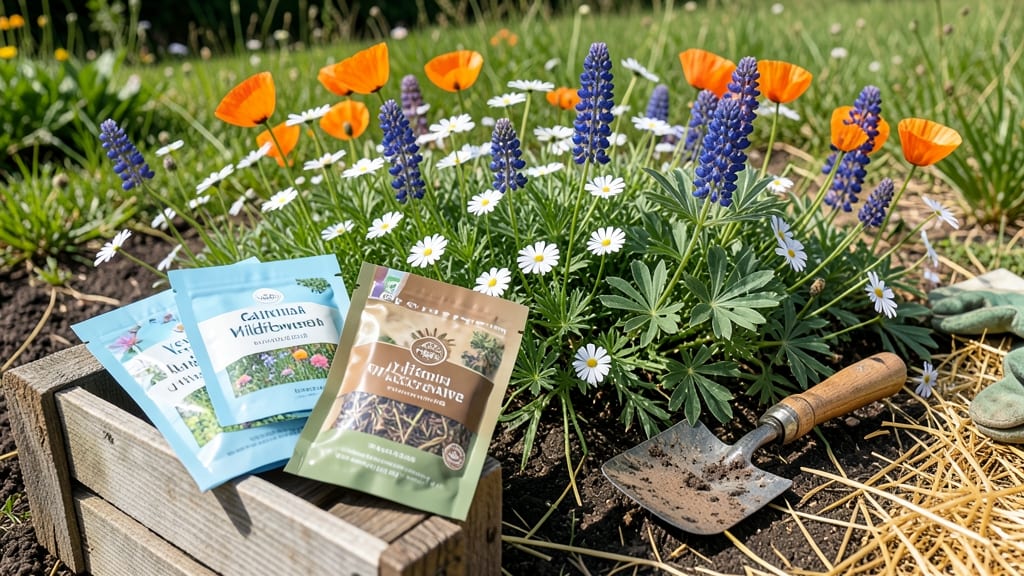
Timing your flowers planting in California isn’t one-size-fits-all—get it wrong, and your 🌸 might wilt before they even bloom. With coastal fog, desert heat, and mountain chill, the "perfect" window varies wildly from San Diego to Sacramento.
What works in frost-prone Zone 9b could fry your plants in Zone 10a, where winter never truly arrives.
I’ve spent years watching gardens thrive (and fail) across California’s microclimates, and the key isn’t just knowing when—it’s understanding why your specific corner of the state demands a different approach.
Whether you’re planting spring bulbs, summer annuals, or fall-blooming perennials, this guide cuts through the confusion with science-backed planting windows tailored to your exact location.
Ready to stop guessing and start growing? We’ll break down the optimal months for your region, from coastal chill to desert heat, plus pro tips for adjusting your schedule based on soil, frost dates, and even your neighborhood’s unique quirks.
No more wasted seeds or sad, stunted blooms—just a garden that bursts with color, season after season.
Let’s dive into the exact calendar you need to turn your California yard into a year-round flower paradise—without the trial and error. Your future self (and your bees) will thank you.
California flower planting calendar by microclimate zones
California’s microclimates create a gardener’s paradise—but also a challenge. Coastal areas like San Francisco (Zone 9b) enjoy mild winters, while the Central Valley (Zone 10a) rarely sees frost. Meanwhile, desert regions like Palm Springs (Zone 11) allow year-round planting. Understanding your local frost dates is key to timing plantings right.
Most annual flowers thrive when planted after your last frost date, while perennials and bulbs often need early fall or winter planting. California’s extended growing seasons mean you can grow flowers almost year-round—but knowing your zone’s specifics ensures success.
Let’s break it down by region to help you plan your flower garden calendar.
🌱 Visual Guide: California Flower Planting by Microclimate
| Region | USDA Zone | Last Frost | Best Planting Windows | Key Flowers |
|---|---|---|---|---|
| Coastal (e.g., SF, LA) | 9b-10a | Jan 15 - Feb 15 | Fall (Sep-Oct) for bulbs; Spring (Mar-May) for annuals; Year-round for heat-lovers | Tulips, Dahlias, Petunias, Snapdragons |
| Central Valley (e.g., Sacramento) | 10a-10b | Dec 1 - Jan 10 | Fall (Oct-Nov) for perennials; Spring (Feb-Apr) for cool-season flowers; Summer (Jun-Aug) for heat-tolerant annuals | Roses, Lavender, Zinnias, Marigolds |
| Desert (e.g., Palm Springs) | 11a-11b | None | Year-round (avoid peak summer heat) | Portulaca, Bougainvillea, Desert Marigold |
| Mountains (e.g., Sierra Foothills) | 7b-8a | Mar 1 - Apr 15 | Early Spring (Mar-Apr) for cool-season flowers; Late Summer (Aug-Sep) for fall blooms | Lupines, Columbines, Asters, Coneflowers |
For coastal California, where fog delays spring, start tender annuals like petunias in late February to avoid chilly nights. In the Central Valley, where frost is rare, you can plant warm-season flowers like zinnias as early as February.
Meanwhile, desert gardeners can grow heat-loving flowers like portulaca year-round—but protect them from 100°F+ temperatures with shade cloth.
In mountain regions, where frost lingers until April, focus on cool-season flowers like pansies in early spring. These areas also benefit from fall planting for late-season blooms like asters. Always check your local frost dates—they can vary by 100 miles even within the same county!
Pro tip: Use mulch to protect roots in cooler zones and drip irrigation to conserve water in dry climates. These small adjustments make a huge difference in your flowers’ success. Start with native California flowers, which are already adapted to your microclimate’s challenges.
For example, California poppies thrive in poor, well-draining soil and drought conditions, making them perfect for inland areas. Meanwhile, coastal gardeners can grow lupines for their vibrant colors and nitrogen-fixing roots that improve soil health. Plan your garden around these low-maintenance champions for the easiest blooms.
If you’re unsure about your exact planting window, err on the side of early spring for cool-season flowers and late summer for heat-lovers. This gives plants time to establish roots before extreme temperatures arrive.
And remember: California’s extended growing season means you can often plant two crops of flowers in one year!
For instance, in Zone 10a, you might plant pans
How to adjust planting times for your specific California county
California’s microclimates mean your neighbor’s perfect planting time might be disastrous for your garden. The key? USDA Zone maps and local frost dates. For example, San Francisco (Zone 9b) has a last frost date around January 15, while Palm Springs (Zone 10a) rarely sees frost at all.
Even within a single county, elevation changes can shift planting windows by weeks.
Start by checking your USDA Hardiness Zone—California ranges from Zone 5b (mountains) to Zone 11 (desert). Use the USDA Plant Hardiness Zone Map and overlay it with your county’s average frost dates.
For instance, Los Angeles (Zone 10a) can plant tender annuals like marigolds year-round, while Sacramento (Zone 9a) should wait until mid-April for frost-sensitive varieties.
Don’t overlook local weather patterns. For instance, Northern California’s Diablo winds can dry out soil quickly, while Southern California’s Santa Ana winds may require windbreaks for delicate flowers like snapdragons. Use a weather station app to track 10-day forecasts and adjust your planting schedule accordingly.
Pro tip: Succession planting works year-round in California. In cooler coastal areas, sow fast-growing annuals like radishes every 2 weeks for continuous blooms. In hot inland valleys, focus on heat-loving flowers like portulaca or celosia during summer months.
Finally, native plants are your secret weapon. They’ve evolved to thrive in California’s unpredictable weather, often requiring little to no adjustment for local conditions. For example, California fuchsia blooms reliably in Zone 9-10 with minimal care, while coyote brush handles both drought and frost with ease.
By combining USDA Zone data, local frost dates, and microclimate factors, you’ll create a custom planting schedule that maximizes your garden’s potential—no matter where in California you live. 🌱