
Flowers
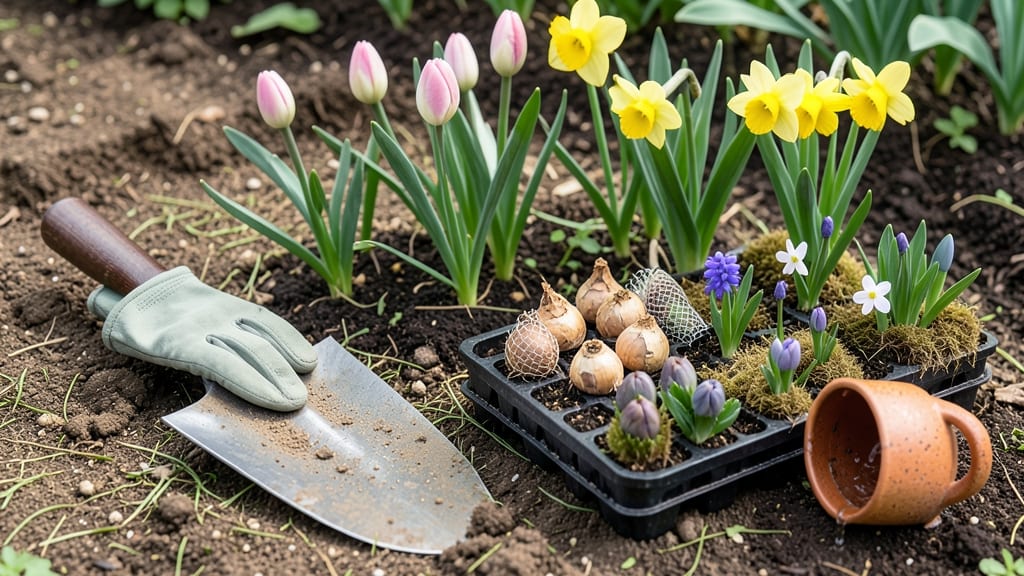
Timing your spring flower planting perfectly can make all the difference between a garden bursting with color and one that struggles to take root. Whether you're a seasoned gardener or just starting out, knowing the right moment to plant your 🌸 is the key to success.
In Zone 6a, where last frost typically arrives around mid-April, patience pays off—planting too early risks frost damage, while waiting too long might delay your blooms.
But here's the thing: not all flowers play by the same rules. Cold-hardy varieties like pansies can handle a light frost, while tender annuals like marigolds need warmer soil to thrive.
I'll break down exactly when to plant each type, so you can create a vibrant display that lasts from early summer through fall. Let's dive into the perfect planting schedule for your region.
You might think all you need is a shovel and some seeds, but soil temperature and moisture levels matter just as much. I'll share my top tips for preparing your garden beds and keeping your new plants happy once they're in the ground.
Trust me, these small adjustments can mean the difference between wilting disappointment and a garden that wows your neighbors.
Ready to transform your outdoor space? By the end of this guide, you'll know exactly when to plant your flowers this spring, which varieties work best in your zone, and how to avoid common mistakes that even experienced gardeners make. Let's get growing!
Spring planting timeline by USDA hardiness zones: when to start
Getting your spring flower planting right starts with knowing your USDA hardiness zone. These zones help predict your last frost date, which is the critical marker for when to plant most flowers.
For example, in Zone 6, the average last frost is around April 15, while Zone 8 gardeners might wait until March 1. Timing varies by annuals vs. perennials, too—annuals like marigolds need warmer soil, while pansies can handle cooler temps.
Your soil temperature is just as important as frost dates. Most flowers thrive when soil reaches 60°F (15°C). Use a soil thermometer to check—if it’s too cold, your seeds or transplants may rot.
In northern zones (3-5), wait until mid-May for heat-loving flowers like petunias, but cold-hardy varieties such as snapdragons can go in as early as March in milder areas.
For perennials, timing matters differently. Plant them in early spring (as soon as soil is workable) to establish roots before summer heat. Daylilies and coneflowers are great choices—they tolerate cooler temps and bloom reliably.
Meanwhile, tender perennials like canna lilies should wait until after the last frost in Zone 7+ to avoid frost damage.
If you’re unsure about your zone, check the USDA Plant Hardiness Zone Map and enter your ZIP code. Local nurseries are another great resource—they’ll know the microclimates in your area.
For example, a south-facing slope warms up faster than a north-facing garden, so you might plant 2 weeks earlier in sunny spots.
Don’t forget to prepare your soil before planting. Amend it with compost or aged manure 2-3 weeks ahead to improve drainage and fertility. Test your soil pH—most flowers prefer a range of 6.0 to 7.0.
If your soil is too acidic, add lime; if it’s alkaline, use sulfur or peat moss. Well-prepared soil helps flowers establish faster and bloom longer.
One critical mistake is planting too early in Zone 3-5. A late frost can kill young seedlings. To hedge your bets, use row covers or start seeds indoors 6-8 weeks before the last frost.
For direct sowing, wait until nighttime temperatures stay above 50°F (10°C) consistently. This rule applies to annuals like cosmos and perennials like black-eyed Susans.
In warmer zones (8-10), you can plant year-round with some flowers. Sweet alyssum and lobelia thrive in cooler winter months, while sunflowers and zinnias love the heat. Plan for successive planting to enjoy blooms from spring to fall. For instance, sow marigolds in February for early blooms, then
Best flower varieties to plant early vs. late spring: a strategic guide
Not all flowers share the same planting timeline, which is why I always start with the hardiest varieties first. In Zone 6a, where last frost hits around April 15, I begin with cold-tolerant annuals like pansies and snapdragons.
These early spring flowers can handle light frosts and even bloom before summer arrives, giving me a head start on color. By mid-May, I transition to heat-loving varieties such as marigolds and zinnias, which need warmer soil to thrive.
Here’s my strategic planting sequence for a garden that blooms from early spring through fall. I prioritize perennials in early spring because they establish roots before summer heat sets in. For example, bearded iris and daylilies planted in March or early April will reward you with bold summer blooms.
Meanwhile, tender annuals like petunias and geraniums wait until after the last frost to avoid frost damage.
The key is understanding each flower’s temperature tolerance. Some, like calendula and nasturtiums, can handle 40°F soil and even light frosts, making them perfect for early planting.
Others, like cosmos and sunflowers, need soil temperatures above 60°F to germinate properly. I always check my soil temperature with a soil thermometer to avoid guesswork.
Early Spring (March-April)
Cold-hardy flowers: Pansies, snapdragons, sweet peas, calendula, and nasturtiums. These thrive in 40-50°F soil and can even bloom in cooler weather.
Mid-Spring (Late April-Early May)
Perennials and semi-hardy annuals: Bearded iris, daylilies, coreopsis, and black-eyed Susans. Plant these once soil warms to 50-55°F for best root establishment.
Late Spring (May-June)
Heat-loving annuals: Marigolds, zinnias, sunflowers, and cosmos. These need 60°F+ soil and full sun to germinate and flourish.
For a continuous bloom, I stagger my planting by 2-3 weeks between varieties. For example, I plant pansies in early April for spring color, then add snapdragons in late April for early summer blooms, and finally zinnias in early May to carry the season into fall.
This succession planting ensures my garden never looks bare. I also group flowers by their water and sunlight needs to simplify maintenance.
Pro tip: If you’re in a warmer zone (7-10), you can plant heat-loving flowers like zinnias and sunflowers as early as February or March. But in cooler zones (3-5), wait until May or June to avoid frost damage.
Always check your local frost dates and adjust accordingly. A quick online search for your USDA zone will give you the exact timeline for your area.
Remember, the goal is to create a balanced garden that thrives through all seasons. By planting early bloomers first and following with late-season varieties, you’ll enjoy a garden that’s always in bloom—from the first spring pansies to the last fall cosmos. Happy planting! 🌸