
Planting
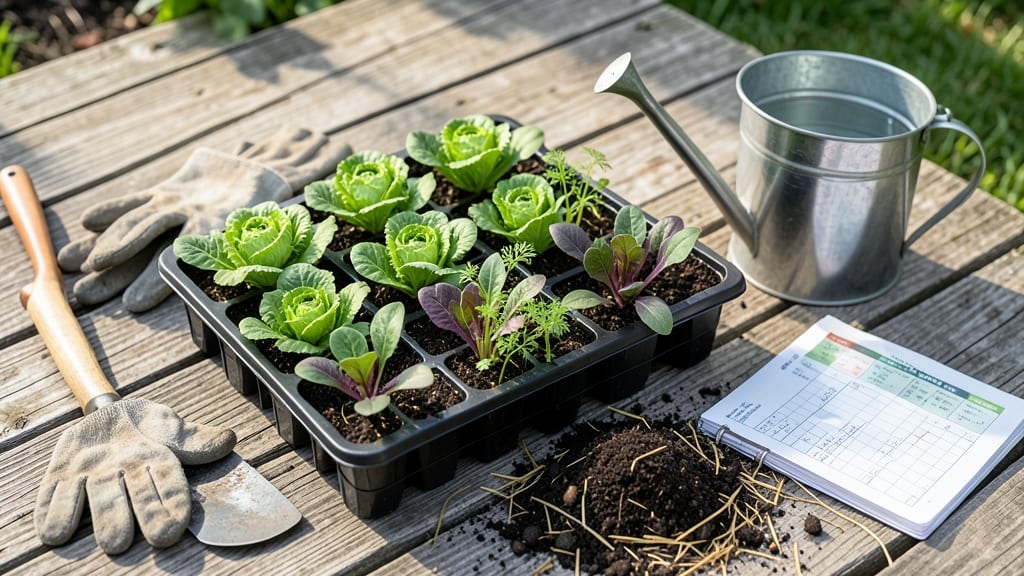
Timing your Garden planting in Maine isn't just about the calendar—it's about beating the frost and making the most of your short growing season.
With average last frost dates ranging from late May in southern Maine to early June in the north, getting it wrong could mean lost crops or stunted growth.
I’ve gardened here for years, and the key is knowing which crops thrive when planted early (like potatoes in March) and which need to wait until after the last frost (like tomatoes in June). Whether you're in coastal Portland or inland Bangor, your microclimate plays a huge role in success.
This guide breaks down the exact frost-free timeline for your zone, so you can plant with confidence. We’ll cover everything from soil prep to the best crops for each month, plus smart tricks to stretch your season—because in Maine, every extra week counts.
Ready to grow more without the guesswork? Let’s dive into the perfect planting schedule for your Maine Garden.
Maine’s frost-free planting zones: when to start seeds indoors vs outdoors
Maine spans USDA Zones 4-6, meaning your planting timeline depends heavily on where you live. Southern Maine (like Portland) typically has a longer frost-free season (average last frost: May 10-20), while Northern areas (like Bangor) may not thaw until June 1-10.
Knowing these dates helps you decide when to start seeds indoors vs outdoors.
For spring crops like tomatoes and peppers, you’ll need to start seeds indoors 6-8 weeks before your last frost date.
In Southern Maine, that means March 1-15, while Northern gardeners should begin April 1-15. Cold-hardy veggies like peas and kale can go straight into the ground as early as late April or early May, depending on your zone.
🌱Pro Tip: Use a frost calendar from the University of Maine Cooperative Extension for your specific town—local microclimates can shift frost dates by weeks!
| Zone & Region | Avg Last Frost | Start Indoors (Tomatoes/Peppers) | Direct Sow (Peas/Kale) |
|---|---|---|---|
| Zone 5 (Southern ME: Portland) | May 10-20 | March 1-15 | April 15-May 1 |
| Zone 5 (Central ME: Augusta) | May 15-25 | March 15-April 1 | April 20-May 5 |
| Zone 4 (Northern ME: Bangor) | June 1-10 | April 1-15 | May 10-20 |
If you’re planting warm-season crops like basil or cucumbers, wait until after Memorial Day—soil temperatures must reach 50°F+ for seeds to germinate properly. Use a soil thermometer to check; cold soil will stall growth.
🌿Coastal vs Inland Note: Coastal areas (like Bar Harbor) often have milder winters and earlier springs, while inland spots (like Presque Isle) can face later frosts. Adjust your timeline by 1-2 weeks if you’re near the ocean.
For fall planting, focus on cool-season crops like spinach and radishes after August 15. These thrive in Maine’s 50-60°F soil and can handle light frosts. Use row covers to protect tender greens from early autumn chills.
✂️Key Mistake: Planting tomatoes or peppers too early leads to stunted growth from cold soil. Always harden off seedlings for 7-10 days before transplanting outdoors.
Need a backup plan? Start a few extra seeds indoors in case your outdoor planting window shrinks due to late frosts—a common issue in Zone 4.
Best planting schedule for Maine’s top 10 vegetables and herbs
Maine’s short growing season demands precision timing—planting too early risks frost damage, while waiting too long cuts harvests short. My month-by-month schedule covers the top 10 crops that thrive here, from hardy greens in spring to warm-season favorites in summer.
I’ve included succession planting tips to keep your garden productive all season.
Start with cold-hardy crops like potatoes and peas in early spring (March-April), then transition to warm-season plants like tomatoes and peppers after the last frost. Coastal Maine (Zone 5) has a 2-3 week earlier start than inland areas (Zone 4). Always check your local frost dates—they vary yearly!
For fall planting, focus on cool-season crops like spinach, kale, and garlic in August-September. These thrive with shorter days and cooler temps, often producing sweeter flavors after frost. I’ve found garlic planted in October yields the largest bulbs!
Pro tip: Use row covers to extend your planting window by 2-3 weeks in spring/fall. They protect tender plants from late frosts while letting sunlight through. Always harden off seedlings for 7-10 days before transplanting to avoid shock.
Remember: Maine’s soil stays cold longer than other regions. Wait until soil reaches 50°F (10°C) before planting warm-season crops. A soil thermometer is your best friend for timing!