
Planting
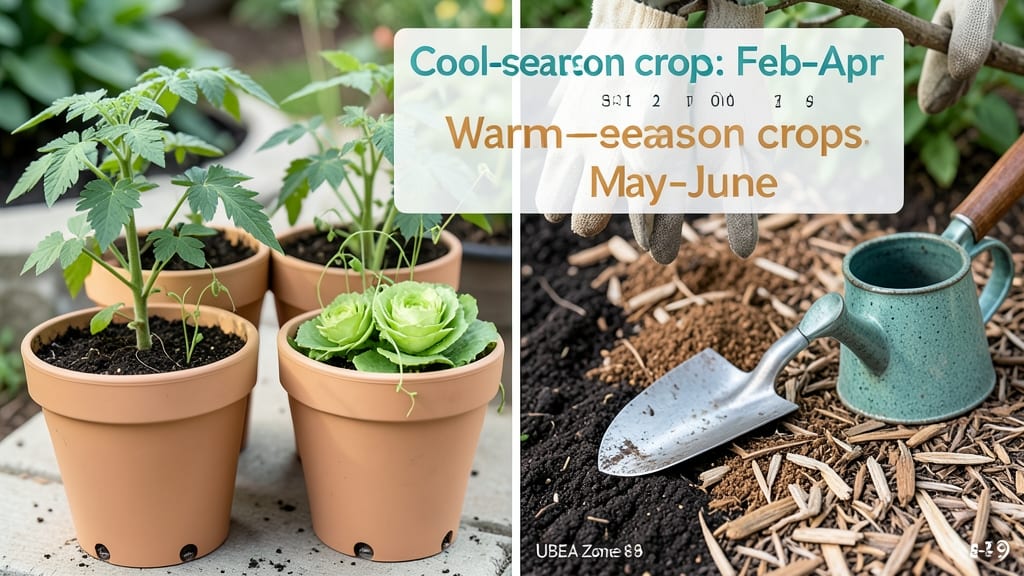
Knowing when to plant garden in Oregon isn’t just about checking a calendar—it’s about mastering Oregon’s wild mix of coastal chill, high-desert warmth, and mountain microclimates. One wrong move, and frost wipes out your hard work; get it right, and you’ll harvest like a pro all season.
The General Oregon Garden 🌱 thrives when planted between March and April, but timing shifts dramatically depending on whether you’re in the Willamette Valley, the High Desert, or along the foggy coast.
Forget one detail, and your tomatoes might bolt before they ripen—or worse, your kale could turn to mush overnight.
Here’s the game-changer: I’ll break down the best months for every crop, from potatoes in March to fall greens in September, so you can align your planting with Oregon’s frost-free windows. No more guesswork—just bumper crops and fewer midnight panic sessions.
Ready to turn your backyard into a thriving garden? Let’s dive into the exact strategies that work for Oregon’s 7b-9a zones, so you can plant with confidence and harvest like a local.
Oregon’s planting zones: when to start seeds vs. transplant by region
Oregon’s USDA Plant Hardiness Zones 5-9 create a gardening puzzle, with coastal fog delaying spring and high-desert heat pushing summers. The key? Knowing your last average frost date and adjusting planting times accordingly. Whether you’re in Portland’s Willamette Valley or Bend’s high desert, timing makes all the difference.
For spring planting, most Oregon gardeners start seeds 6-8 weeks before their last frost date. In Zone 7b (Portland), that means mid-February to March, while Zone 9a (Medford) can start as early as January.
Fall crops like kale and spinach thrive when planted 6-8 weeks before first frost, which hits mid-October in Portland but late November on the coast.
Here’s how Oregon’s regions differ—and what it means for your planting schedule:
| Region | USDA Zone | Last Frost Date | Start Seeds Indoors | Transplant Outdoors | Fall Planting Window |
|---|---|---|---|---|---|
| Coastal (e.g., Astoria) | 8a-8b | April 15 | March 1 | May 1 | August 1 - Sept 15 |
| Willamette Valley (e.g., Portland) | 7b-8a | March 15 | February 1 | April 15 | July 15 - Sept 1 |
| High Desert (e.g., Bend) | 6a-7a | May 1 | March 15 | May 15 | June 15 - July 30 |
| Southern Oregon (e.g., Medford) | 8a-9a | February 15 | January 1 | March 1 | August 1 - Sept 30 |
In coastal Oregon, cooler temperatures mean slower soil warming—wait until soil reaches 50°F before planting cold-sensitive crops like tomatoes. Use a soil thermometer to check; if it’s below 45°F, delay planting or use row covers.
For high-desert areas, focus on drought-tolerant crops like zucchini and beans, which thrive in hot, dry conditions. Start seeds indoors 4-6 weeks earlier than coastal regions to account for the later last frost. Succession planting every 2 weeks ensures a steady harvest despite the short growing season.
Southern Oregon’s Zone 9a allows for year-round gardening in microclimates. Here, you can plant winter greens like spinach in October and harvest through March. However, even here, heat waves can stress plants—choose heat-tolerant varieties like Malabar spinach.
Pro tip: Check Oregon State University’s Frost Date Maps annually, as climate shifts can alter frost timelines by 1-2 weeks. Local nurseries like Terrain (Portland) or Sunflower Nursery (Eugene) offer region-specific advice tailored to your microclimate.
Remember, fall planting is just as critical as spring. In Zone 7b, aim to plant cool-season crops by <
Best months to plant specific vegetables in Oregon’s climate
Oregon’s spring planting kicks off in March for cold-hardy crops like potatoes and peas, but timing shifts dramatically by region. In the Willamette Valley, where last frost typically hits March 15, you can safely plant lettuce and spinach by early April.
Meanwhile, coastal areas with later frosts (around April 15) delay planting until May for heat-loving tomatoes and peppers.
For fall crops, Oregon’s September is prime time for kale, carrots, and broccoli, but high-desert zones like Bend can extend planting into October.
The key? Match your planting window to your USDA zone—Oregon spans 7b-9a, so coastal areas stay cooler longer than inland spots.
Here’s the breakdown of month-by-month planting for Oregon’s top crops, adjusted for regional frost risks:
Heat-sensitive crops like cucumbers and squash thrive in Oregon’s June-July heat but bolt quickly if planted too early. Meanwhile, high-desert regions can push summer planting into late June thanks to warmer soils.
Always check your local frost dates—the USDA Plant Hardiness Zone Map is your best friend for fine-tuning timing.
For fall planting, aim for late summer to avoid early frosts. Kale and broccoli planted in September often survive until November in the Willamette Valley, while coastal gardens may extend harvests into December. The trick? Use row covers to shield tender greens from unexpected 32°F dips.
Don’t forget succession planting—sow lettuce every 2 weeks from April to August for continuous harvests. This works especially well in Oregon’s short growing season, where frost-free days range from 165 days in coastal areas to 200+ days in the high desert.
Now that you’ve got the timing down, your next move is to prep your soil and choose the right planting method—whether that’s raised beds for cooler zones or direct sowing for heat lovers. Happy planting! 🌱