
Plants
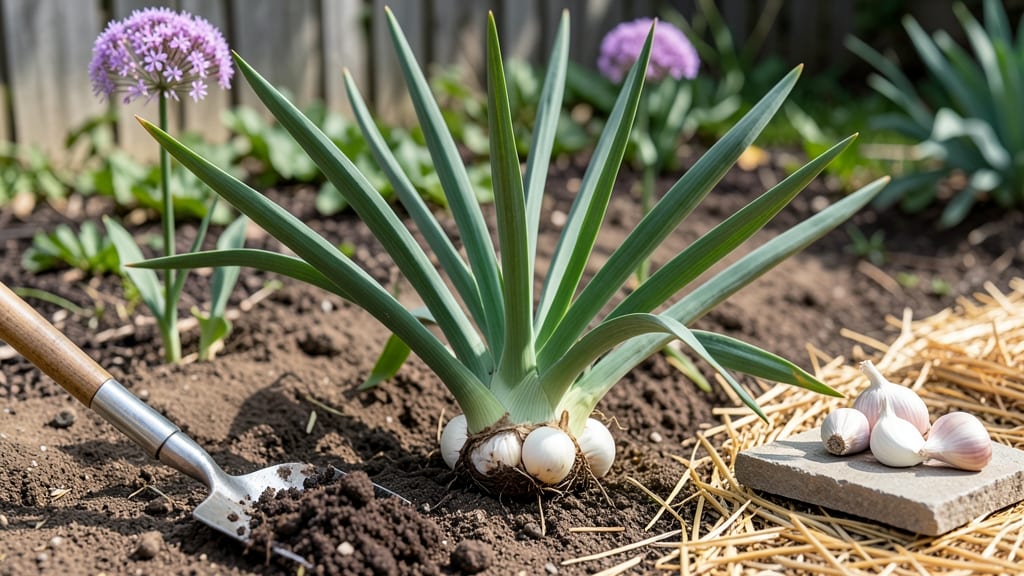
If you're growing garlic in Zone 10a, timing your planting could mean the difference between a bold harvest and wasted effort. Unlike cooler climates, Zone 10a's mild winters demand a different approach—plant too late, and your crop might bolt; too early, and you risk weak bulbs.
Most gardeners know fall planting works, but in Zone 10a, the sweet spot is narrower. You’ll want to start between October and December, when soil temps drop just enough to trigger dormancy without risking heat stress. This strategy ensures your 🧄 garlic develops strong roots before winter rains arrive.
Here’s the game-changer: avoiding bolting in warm climates requires smart prep. We’ll cover how to time your planting for zero-bolt success, plus soil tricks to keep your crop happy through Zone 10a’s unique growing conditions.
Ready to grow flavor-packed bulbs without the guesswork? Let’s dive into the exact steps to plant garlic in Zone 10a for a harvest that’ll impress even the pickiest chefs.
Optimal fall planting windows for Zone 10a garlic (with exact dates)
In Zone 10a, where winters are mild and summers scorching, garlic thrives with the right fall planting timing. Unlike colder zones, you can plant garlic in two windows: late fall (ideal) or early winter (backup).
The key is to plant when soil temps drop to 40–50°F—this triggers root growth before dormancy. Miss this window, and you risk bolting (premature flowering) or weak bulbs.
For hardneck varieties (like ‘German White’), aim for October 15–November 15. These need cold to form bulbs, but Zone 10a’s mild winters shorten dormancy. Softneck varieties (like ‘Silverskin’) are more forgiving—plant them November 1–December 15.
Both types can handle early winter planting (January–February) if fall planting slips, but yields may shrink.
| Planting Window | Soil Temp Goal | Best Varieties | Risk if Late |
|---|---|---|---|
| October 15–November 15 | 40–50°F | Hardneck (e.g., ‘Music’, ‘German White’) | Bolting, small bulbs |
| November 1–December 15 | 45–55°F | Softneck (e.g., ‘Silverskin’, ‘Artichoke’) | Poor bulb formation |
| January–February (backup) | 50–60°F | All varieties (lower yield) | Heat stress, bolting |
Use a soil thermometer to confirm temps—garlic roots need 40–50°F to establish before dormancy. In Zone 10a, soil stays warm longer, so plant 4–6 weeks before rains to avoid waterlogged cloves. For example, if winter rains start mid-December, plant by November 15.
Adjust for your microclimate: Coastal areas (cooler) can plant earlier (October), while inland (hotter) zones should wait until November. If your area has occasional light frosts (rare in 10a), a thin layer of mulch protects cloves without smothering them.
Pro tip: Plant smaller cloves (3–4 oz bulbs) for faster establishment. Larger cloves take longer to root in warm soil. Break bulbs into individual cloves, leaving the papery skin intact—this prevents drying and disease.
Harvest timing in Zone 10a shifts too: Aim for April–May when lower leaves brown but bulbs stay firm. Unlike colder zones, Zone 10a garlic matures 30–40 days faster—wait too long, and bulbs split or rot in the heat.
For year-round harvests, stagger plantings every 3–4 weeks from October to January. This ensures a steady supply while avoiding the June–August bolting risk when temps exceed 85°F.
Remember: Zone 10a’s lack of frost means garlic won’t get the cold vernalization hardnecks need. If you grow hardnecks, prioritize early fall planting and use shade cloth (30–50%) in summer to reduce heat stress.
Start with 1–2 varieties to test your zone’s response. ‘Artichoke’ softnecks often perform best in 10a, while ‘German White’ hardnecks may bolt if planted too late. Keep notes on your harvest dates and bulb sizes to refine future plantings.
Optimal fall planting windows for Zone 10a garlic (with exact dates)
In Zone 10a, where winters are mild and frost-free, timing your garlic planting is all about avoiding premature bolting while still giving roots time to establish before summer heat arrives.
Unlike colder zones, you can plant garlic in both fall and early winter, but the key is targeting soil temperatures between 40–50°F—the sweet spot for root development without triggering bolting.
For hardneck varieties (like 'German White' or 'Music'), aim for October through early December.
These need a cool dormancy period to form bulbs, but Zone 10a’s warmth means you’ll need to extend dormancy with mulch. Softneck varieties (such as 'Silverskin' or 'Artichoke') are more forgiving and can handle January–February planting if fall planting slips.
Here’s the critical timeline for Zone 10a: Plant 4–6 weeks before winter rains to ensure roots establish before dormancy. If you miss fall, January is your last chance—but expect smaller bulbs due to shorter dormancy. Avoid planting after February 15, or you’ll risk bolting before bulbs mature.
| Variety | Ideal Planting Window | Soil Temp Goal | Dormancy Tip |
|---|---|---|---|
| Hardneck (e.g., 'German White') | October–Early December | 40–50°F | Mulch heavily (6+ inches) |
| Softneck (e.g., 'Silverskin') | October–February | 45–55°F | Shade cloth in summer |
| Elephant Garlic | January–February | 50–60°F | Avoid summer heat |
Pro tip: Use a soil thermometer to confirm temps before planting. If soil is above 60°F, wait—garlic cloves won’t root properly in heat. For late fall planting (December+), prioritize softneck varieties or risk bolting with hardnecks. Even then, shade cloth (30–50% coverage) during summer will help extend dormancy.
Zone 10a’s lack of frost means you’ll need to trick garlic into dormancy with mulch (straw or leaves, 6+ inches). Without this, bulbs may bolt prematurely or stay small.
Think of it as simulating winter—cool roots + dry tops = perfect bulbs. Harvest in April–May when lower leaves brown, but bulbs are still firm.
Missed the fall window? Don’t panic—January planting still works for softnecks, but expect smaller yields. The goal is 6–8 weeks of cool weather before summer heat kicks in. For hardnecks, this is nearly impossible in Zone 10a, so stick to softnecks if you’re late.