
Plants
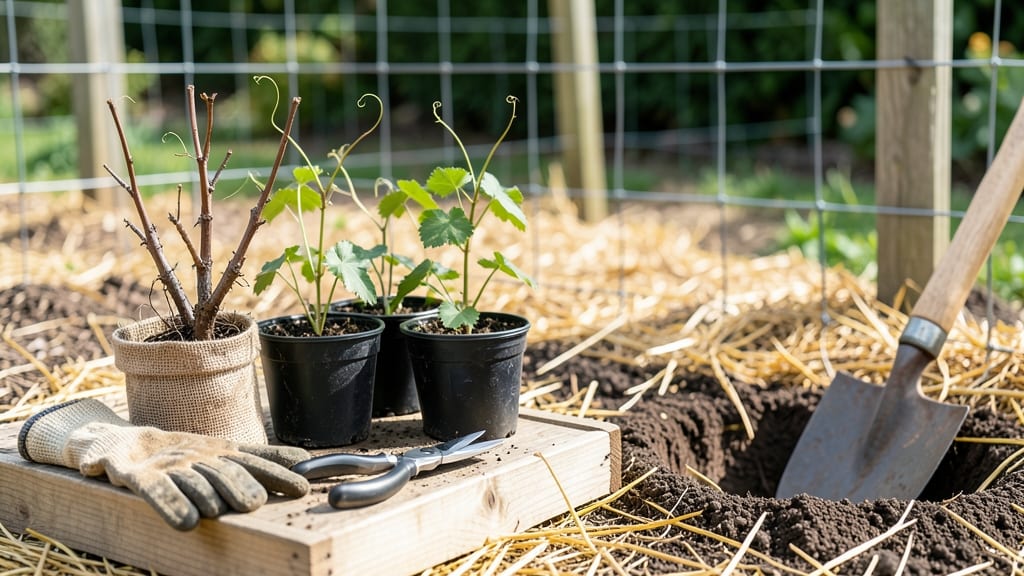
Timing your 🍇 grapes planting in Illinois can make the difference between a thriving vineyard and a struggling crop—especially when those late frosts roll in.
You’ve got to nail that sweet spot between late April and early May, when soil temperatures finally climb above 50°F and the threat of frost has passed.
Why does this matter so much? Because planting too early risks frost damage to tender new shoots, while waiting too long delays root establishment, leaving your vines vulnerable to summer heat.
Illinois’ 5a-6b zones demand precision, and understanding soil temperature triggers is the key to giving your grapes the best possible start.
I’ll walk you through exactly when to plant—whether you’re going for spring’s classic window or exploring fall options—and how to prep your soil for maximum success. Plus, I’ll share pro tips to protect young vines from Illinois’ unpredictable weather.
Ready to grow grapes that burst with flavor? Let’s get your planting schedule locked in for a harvest you’ll actually enjoy.
Optimal Illinois grapes planting timeline by soil temperature zones
Illinois' USDA zones 5a-6b create unique microclimates, so timing your grape planting depends on soil temperature more than calendar dates. In northern Illinois (zones 5a-5b), late April to early May is ideal, while southern Illinois (zones 6a-6b) can start as early as mid-April when soil reaches 50°F+.
Grapes need 4-6 weeks after last frost to establish roots before active growth begins. Using a soil thermometer ensures you plant when roots can thrive—50°F for root growth and 60°F for bud break. In Chicago, this typically aligns with late April, while St. Louis can start earlier.
Here’s how Illinois’ three main regions differ in planting windows based on soil temperature and last frost averages:
| Region | USDA Zone | Last Frost | Soil Temp Trigger | Optimal Planting Window |
|---|---|---|---|---|
| Northern IL | 5a-5b | April 20-25 | 50°F+ (late April) | Late April - Early May |
| Central IL | 6a | April 10-15 | 50°F+ (mid-April) | Mid-April - Late April |
| Southern IL | 6b | March 25-April 5 | 50°F+ (early April) | Early April - Mid-April |
For container-grown grapes, you can plant 2-3 weeks earlier than in-ground vines since pots warm up faster. However, ensure containers are at least 15 gallons to accommodate root growth and drainage.
If you miss spring planting, fall is a secondary window (September-October) when soil temps drop below 60°F. Fall planting lets roots establish before winter, but avoid planting after October 15 to prevent frost damage to new growth.
Pro tip: Check the University of Illinois Extension for your local frost dates—they update annual averages. For example, Springfield averages last frost on April 12, while Rockford waits until April 28.
Once planted, mulch heavily with straw or wood chips to regulate soil temperature and retain moisture during Illinois’ hot, dry summers. This helps young vines establish before the first frost in mid-October.
Remember: Soil temperature > calendar date. Use a soil thermometer to confirm readiness—roots need consistent warmth to thrive, not just frost-free air.
When to plant grapes in Illinois: fall vs. spring planting pros and cons
Choosing between fall and spring planting for grapes in Illinois depends on your local microclimate and vine maturity goals. Both seasons offer unique advantages, but Illinois’ variable frost dates and humidity levels can tip the scales for one over the other.
In northern Illinois (USDA zones 5a-5b), where winters are colder, fall planting often gives vines a head start. Meanwhile, southern Illinois (zones 6a-6b) gardeners may prefer spring planting to avoid late-season fungal risks. Let’s break down the trade-offs so you can decide what works best for your backyard.
Fall Planting
- Vines establish roots before dormancy
- Earlier spring growth and fruit production
- Lower water stress in cooler months
- Risk of late-season fungal diseases
- Limited time to acclimate young vines
- Soil may be too wet or cold in late fall
Spring Planting
- Avoids winter dieback risks for tender roots
- More time to prepare soil and trellises
- Better disease control in drier spring air
- Slower root establishment before summer heat
- Higher watering demands in early growth
- Late frosts may damage new shoots
For northern Illinois, I recommend fall planting in early October when soil temps hover around 50°F. This gives vines time to root before winter. In southern Illinois, late April to early May planting aligns with last frost dates and reduces fungal risks.
Pro tip: If you’re unsure, bare-root grapes planted in fall often outperform spring-planted vines by 20-30% in yield—just protect them with mulch and row covers during winter. For container grapes, spring planting gives you more flexibility to move them indoors if needed.
Regardless of season, always test soil pH (6.0-7.0) and amend with compost before planting. Illinois’ clay-heavy soils benefit from organic matter to improve drainage—critical for grapevine health.