
Planting
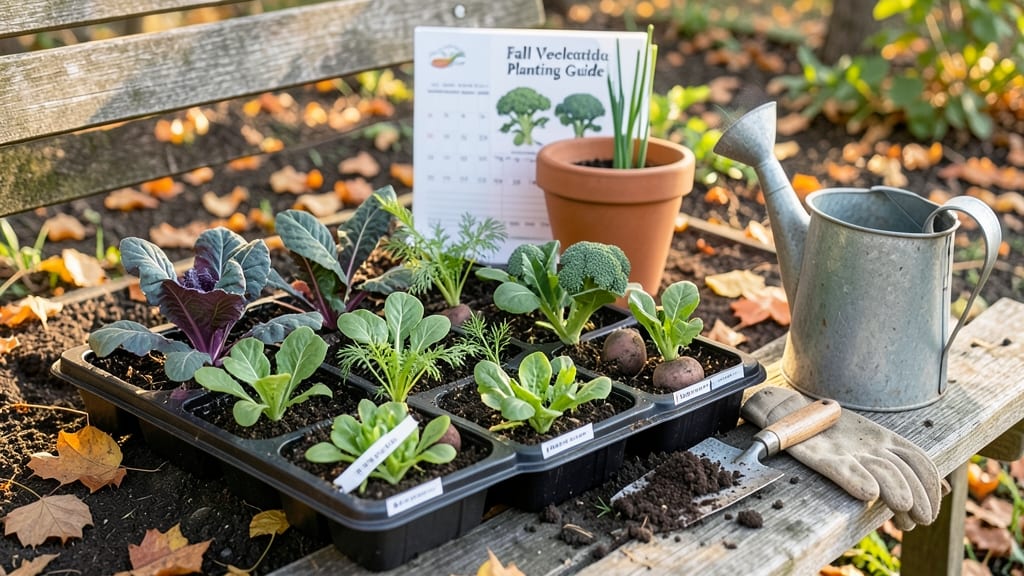
When should you plant a fall garden in Texas? Timing can mean the difference between a bountiful harvest and a sad, wilted mess—especially when you're staring down 100°F+ heat in late summer. One wrong move, and your cool-season crops bolt faster than a jackrabbit on a hot griddle. But here's the good news: with the right schedule, you can beat the heat and frost to grow lush greens, sweet potatoes, and more all the way into December.
Texas isn't one-size-fits-all—whether you're in Zone 8a's chilly north or Zone 10b's balmy south, your planting window shifts dramatically. I'll show you exactly when to start seeds and transplant seedlings so your 🌱 fall garden thrives without racing against the clock.
No more guessing games—just science-backed dates tailored to your corner of the Lone Star State.
Let's talk strategy: some crops like okra and black-eyed peas can handle late-summer heat, while delicate greens need to wait until temperatures dip. I'll break down the ideal planting months for each zone, plus how to stretch your harvest into winter with clever tricks.
Ready to turn your backyard into a fall feast factory? Let's dig in.
The key is working with Texas' quirks—not against them. By planting at the right moment, you'll avoid the two biggest fall garden killers: premature bolting and frost damage.
Stick with me, and you'll know exactly when to pop those seeds in the ground for a harvest that'll make your neighbors green with envy (literally).
Texas heat Zone fall planting timeline: avoid bolt risk by Zone
Texas’ 11 heat zones (A1-C3) create wildly different fall planting windows. In North Texas (Zone 8a), your last frost might hit by December 15, while South Texas (Zone 10a) can still grow through January.
The key? Planting 6-8 weeks before frost ensures mature harvests before cold snaps. Let’s break it down by zone so you avoid both heat-induced bolting and frost damage.
For Zone 8a (North Texas), start heat-tolerant crops like okra and sweet potatoes in late July. Cool-season crops such as kale and turnips belong in August—no earlier, or they’ll bolt.
In Zone 9a (Central Texas), shift planting to early August for broccoli and cabbage, while Zone 10a (South Texas) gardeners can sow black-eyed peas until September 15.
Heat zones A1-C3 complicate things further. Coastal areas (like Houston) have milder winters, while West Texas zones face earlier frosts. Use this zone-specific timeline to align your planting with local frost dates and soil temps. Pro tip: Check your last frost date via the Texas A&M AgriLife Extension map—it’s your planting compass.
Texas Heat Zone Fall Planting Guide
| Zone | Last Frost Date | Heat-Tolerant Crops (Plant by) | Cool-Season Crops (Plant by) | Soil Temp Goal (°F) |
|---|---|---|---|---|
| 8a (North) | Dec 15 | Okra (Late July) | Kale (Aug 1) | 60-65°F |
| 9a (Central) | Nov 15 | Sweet Potatoes (Early Aug) | Broccoli (Aug 10) | 65-70°F |
| 10a (South) | Jan 1 | Black-Eyed Peas (Sep 15) | Spinach (Sep 1) | 70-75°F |
| A1 (Coastal) | Dec 20 | Tomatoes (Aug 15) | Carrots (Aug 20) | 68-72°F |
| C3 (West) | Nov 1 | Peppers (Late July) | Lettuce (Aug 5) | 60-65°F |
*Adjust dates 1-2 weeks earlier for high-elevation zones (e.g., Hill Country).
Soil temperature is your secret weapon against bolting. Use a soil thermometer to confirm temps hit 60-75°F before planting. Cool-season crops like brussels sprouts need 65°F+ soil, while heat lovers (e.g., collard greens) thrive in 70°F+.
If your soil runs hotter than 85°F, wait—even okra will suffer.
Don’t overlook succession planting for fast harvests. In Zone 9a, sow radishes every 2 weeks from August to October. This ensures a steady supply before frosts hit. For slow growers like cabbage, start seeds indoors in July and transplant in August to beat the heat.
Watch for false starts—a September heatwave can trick you into planting too late. Use shade cloth for seedlings if temps spike above 90°F. And remember: South Texas can still grow green beans in November, while North Texas should pull them by October 15.
Test your soil’s pH and nutrients before planting. Fall gardens thrive in 6.0-7.0 pH. Add compost or aged manure to replenish nutrients after summer’s heat. A soil test kit (from Texas A&M) costs
Top 5 fall crops for Texas gardens and their ideal planting months
Texas’ long growing season means you can grow heat-tolerant and cool-season crops side by side. The key is picking varieties that thrive in late summer heat but won’t bolt before frost. My top 5 picks balance speed, resilience, and flavor—perfect for Texas gardens.
Start with black-eyed peas, a Southern staple that handles 90°F+ temps like a champ. Plant them in August for a fall harvest, or even September in cooler zones like the Hill Country. These legumes fix nitrogen in the soil, too!
Next, collard greens and kale are frost-hardy powerhouses. Sow seeds in September for a harvest before winter’s chill. Both love cool nights but can handle light frosts—ideal for North Texas’ Zone 7b.
Turnips and radishes are fast growers (ready in 30-40 days!), making them perfect for late August plantings. Their quick turnover lets you squeeze in multiple harvests before frost. Just keep them well-watered to avoid pithy roots.
For something different, try broccoli or cauliflower in September. These cool-loving crops need consistent moisture and rich soil. In South Texas (Zone 9a+), you can even plant cabbage in October for a winter harvest!
🌱 Top 5 Fall Crops for Texas Gardens
-
Black-Eyed Peas 🌱
Plant: August-September | Harvest: October-December | Heat Tolerance: Excellent
-
Collard Greens 🌿
Plant: September-October | Harvest: November-March | Frost Tolerance: High
-
Turnips 🥕
Plant: Late August-September | Harvest: 30-40 days | Speed: Fastest
-
Broccoli 🥦
Plant: September-October | Harvest: November-January | Soil Needs: Rich
-
Cabbage 🥬
Plant: September (South TX) | Harvest: December-February | Space: Wide
💡 Pro Tip: Amend soil with compost before planting—Texas clay benefits from organic matter for better drainage and nutrient retention.
For all these crops, soil prep is non-negotiable. Texas soil is often alkaline and heavy, so mix in 2-3 inches of compost and a balanced fertilizer (like 10-10-10) before planting. Mulch with straw to retain moisture and suppress weeds.
Remember: Succession planting is your secret weapon. Sow radishes every 2 weeks in August-September for a steady harvest. And if frost threatens early, use row covers to buy time for tender crops like lettuce.
With these crops and timing, you’ll enjoy a bountiful fall harvest—no matter which Texas heat zone you’re in! 🌻