
Plants
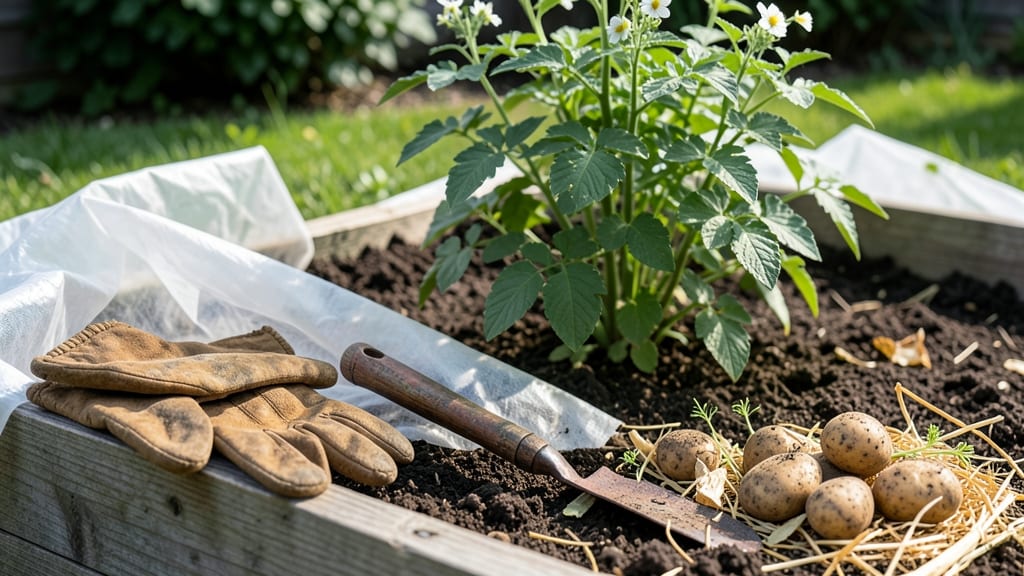
Timing when to plant fall potatoes in Virginia isn’t just about the calendar—it’s about catching that sweet spot between soil temperatures and frost dates to avoid bolting and ensure a bountiful harvest.
With Virginia’s 7a climate (average last frost: March 15, first frost: November 15), you’ve got a narrow window to plant 🥔 for a fall harvest, and getting it wrong means wasted effort—or worse, no potatoes at all.
Most gardeners assume planting later in the season is the key, but the real secret lies in waiting until the soil cools to 50–65°F. This temperature range triggers the perfect conditions for tuber development without sending your potatoes into a premature flowering frenzy.
Skip this step, and you’ll end up with bitter, small potatoes—or none at all.
In this guide, I’ll break down the exact planting window (August–October) and soil temperature triggers that Virginia gardeners swear by to grow zero-bolt potatoes. Whether you’re a first-timer or a seasoned grower, these insights will help you time your planting like a pro.
Ready to turn your fall garden into a potato powerhouse? Let’s dive into the science—and the simple steps—to make sure your 🥔 thrive, no matter how unpredictable Virginia’s weather gets.
Virginia’s ideal soil temperature range for fall potato planting
Fall potato planting in Virginia hinges on soil temperature, not just calendar dates. Potatoes thrive when soil stays between 50°F and 65°F—this range prevents bolting (premature flowering) while ensuring strong tuber development.
In Virginia’s USDA Zone 7a, this typically aligns with late August through early October, but regional microclimates shift these windows.
Coastal Virginia’s warmer soils may stay ideal longer, while the mountains cool faster. Always check soil temp with a probe—below 50°F stunts growth, and above 70°F triggers bolting. I’ve seen gardeners in Piedmont Virginia plant as late as mid-October with success, thanks to milder nights.
Soil temperature matters more than air temperature. A sunny 80°F day can heat soil to 75°F, risking bolting, while cooler 60°F days keep roots happy. Use a soil thermometer ($10 at garden centers) to avoid guesswork—this tool saved my Yukon Gold harvest last fall.
Here’s how Virginia’s three climate zones differ in fall planting windows: Coastal: Late August–early October Piedmont: Mid-August–mid-October Mountains: Early August–early October Adjust based on your last frost date (November 15 average) and aim for 90–120 days to harvest.
🌱 Virginia Fall Potato Planting by Soil Temp & Zone
| Zone | Ideal Planting Window | Soil Temp Range | Key Varieties |
|---|---|---|---|
| Coastal (e.g., Norfolk) | Late August–Early October | 55°F–65°F | Red Pontiac, Purple Viking |
| Piedmont (e.g., Richmond) | Mid-August–Mid-October | 50°F–60°F | Yukon Gold, Kennebec |
| Mountains (e.g., Roanoke) | Early August–Early October | 50°F–58°F | Adirondack Red, Fingerlings |
💡 Pro Tip: Coastal areas can extend planting to October 15 if soil stays above 55°F.
For fall potatoes, prioritize early-maturing varieties (90–100 days) to avoid frost. My Kennebec potatoes bolted last year when planted in early September—the soil was still 68°F at 2 PM. Since then, I’ve shifted to mid-August planting for this variety, ensuring soil cools to 60°F by late afternoon.
Test soil 1 week before planting. If temps are below 50°F, wait or use black plastic mulch to warm the soil. I’ve warmed beds by 10°F in 3 days with this trick. Pair this with compost-rich soil—potatoes hate cold, compacted earth.
Soil pH (5.8–6.5) and organic matter (30%) also influence temperature retention. Amend clay soil with compost to improve drainage and heat absorption. I’ve seen sandy soils cool faster—mulch heavily with straw to maintain warmth.
Monitor nighttime temperatures. Potatoes need consistent warmth—if nights dip below 45°F, growth stalls. Use row covers or frost cloth for early/late plantings. Last fall, I protected my October-planted Red Norland with frost cloth and still harvested 30% more than unprotected beds.
Remember: Soil temperature > Air temperature. A 70°F day with 55°F soil is perfect; a 60°F day with 70°F soil risks bolting. Use a soil thermometer for 3 consecutive days before planting to confirm readiness.
Virginia’s ideal soil temperature range for fall potato planting
Fall potatoes in Virginia thrive when planted in soil between 50°F and 65°F. This temperature window prevents premature bolting while ensuring tubers develop properly before frost. Warmer soil speeds growth, but cooler temps help tubers mature slowly for better flavor and storage life.
In Virginia’s USDA Zone 7a, soil temperatures naturally drop from 75°F+ in August to 50°F+ by late September. Planting too early (when soil is >65°F) risks bolting, while waiting too long (soil <50°F) stunts tuber growth. Use a soil thermometer to check depths of 4-6 inches.
| Region | Ideal Planting Window | Soil Temp (°F) | Risk Level |
|---|---|---|---|
| Coastal (Zone 7b-8a) | Late August - Early September | 55°F - 65°F | Low |
| Piedmont (Zone 7a) | Mid-August - Late September | 50°F - 60°F | Moderate |
| Mountains (Zone 6b) | Early September - Mid-October | 48°F - 55°F | High (late frost risk) |
Coastal Virginia’s milder climate allows earlier planting, while mountainous regions benefit from later starts to avoid early frosts. For Yukon Gold varieties, aim for 55°F+ soil—they grow faster and tolerate slightly warmer conditions than Red Norland, which prefers 50°F-58°F.
Use black plastic mulch to warm soil by 5-10°F in cooler regions, extending your planting window by 2-3 weeks. Remove mulch 4-6 weeks before harvest to avoid tuber discoloration. Test soil moisture too—potatoes need consistently moist but not soggy conditions during tuber formation.
Watch for soil temperature drops below 45°F, which halts growth. In Virginia’s Piedmont, this typically happens by mid-October, making late September the last safe window for most varieties. Adjust for your microclimate by observing nearby gardens or using local weather forecasts.
Pro tip: Plant certified seed potatoes (not grocery store spuds) to avoid disease. Cut larger seed pieces into 2-ounce chunks with at least 2 eyes each, and let them cure in light for 24 hours before planting to prevent rot.