
Plants
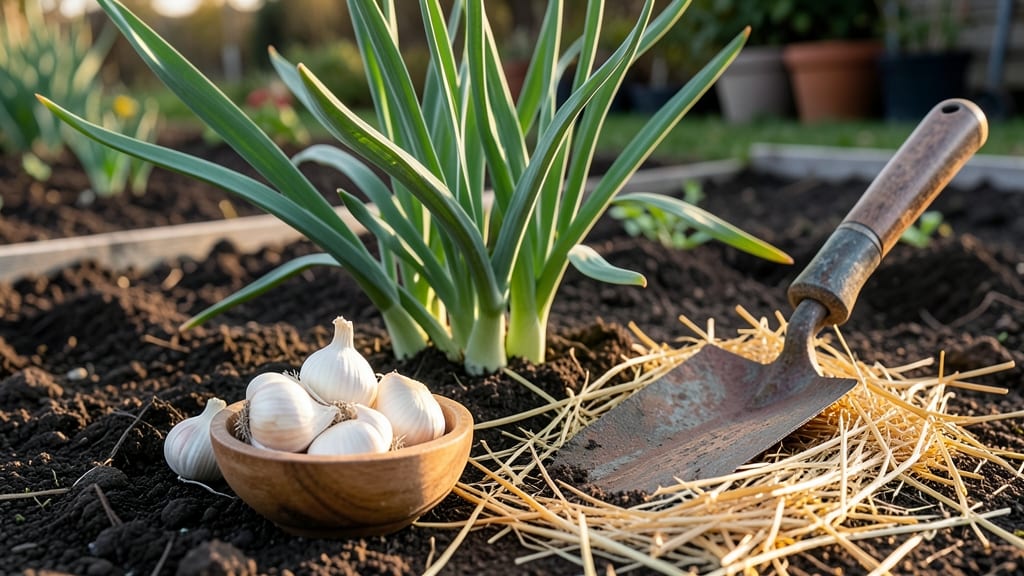
Timing your garlic planting in South Texas isn’t just about following a calendar—it’s about outsmarting the heat and making the most of those crisp fall days. Miss the window, and you might end up with weak, heat-stressed bulbs instead of the bold, pungent 🧄 you’re craving.
In zones 9a-10a, the sweet spot for planting is between October and November, when soil temps drop just enough to trigger root growth—but not so much that frost becomes a threat.
This 4-6 week window is your golden opportunity to grow garlic that thrives in our unique climate, where summer heat can turn a good harvest into a bust.
Why does this matter? Because garlic planted too early struggles with heat stress, while late plantings may not mature before the summer sun returns.
I’ll break down exactly how to time it right, from soil prep to variety selection, so you can grow garlic that’s bigger, stronger, and ready to harvest in April or May.
Let’s dive into the secrets of fall planting that’ll have your garlic thriving when most gardeners in South Texas are sweating over their tomatoes. You’ll learn how to adjust for microclimates, avoid common mistakes, and even extend your planting window with simple tricks.
Ideal fall planting window for South Texas garlic success
South Texas gardeners have a 4-6 week window in fall to plant garlic for the best results. Unlike cooler climates, we can’t wait until winter—our mild winters and warm soils demand precise timing.
Aim to plant 6-8 weeks before the first frost, typically between mid-October and early November, when soil temperatures drop below 70°F but stay above freezing.
The key is balancing cool soil temperatures (50-60°F) with adequate daylight. Garlic needs 12-16 weeks of cold exposure to form bulbs, but South Texas’s short winters mean we must plant early enough for this process to complete before spring heat arrives.
Hardneck varieties like ‘Music’ or ‘Silverskin’ handle our climate best, while softnecks may struggle with heat stress.
🌱 Pro Tip: Check your local USDA Zone 9a-10a frost dates—most South Texas areas experience their first frost around mid-December. Planting in late October gives garlic enough time to establish roots before winter chill sets in.
If you plant too early (before October), garlic may bolt or produce smaller bulbs due to South Texas’s lingering summer heat. Conversely, planting after early November risks insufficient cold exposure, leading to weak bulb development.
Monitor your garden’s microclimate—coastal areas stay warmer longer, while inland regions cool faster.
For maximum pungency, prioritize hardneck varieties like ‘German White’ or ‘Creole’, bred for heat tolerance. Softnecks (like ‘Artichoke’) can work but often struggle with South Texas’s heat spikes in spring. Always plant individual cloves, pointed end up, 2-4 inches deep in loose, well-draining soil.
Mulch heavily with straw or leaves after planting to insulate roots from temperature swings. This is especially critical in Zone 10a, where winter temps rarely drop below freezing. Aim for a 3-4 inch mulch layer to maintain consistent soil moisture and protect cloves from heat stress.
Harvest timing in South Texas shifts slightly—expect bulbs to mature 2-4 weeks earlier than northern regions due to our longer growing season. Watch for lower leaves turning brown and stems flattening (usually April-May), then cure bulbs in a dry, shaded area for 2-3 weeks before storing.
🌿 Key Takeaway: South Texas garlic thrives when planted in late October for hardneck varieties, with soil temps between 50-60°F. Adjust dates 1-2 weeks earlier for inland areas and 1 week later near the coast to account for microclimates.
Ideal fall planting window for South Texas garlic success
South Texas gardeners know that garlic thrives best when planted in fall, but the exact timing can make or break your harvest. The ideal window spans from mid-October to early November, when soil temperatures drop to 60-70°F—perfect for root establishment before winter dormancy.
This aligns with our USDA zones 9a-10a, where frost is rare but possible after December 15.
Why this window? Garlic planted too early (September) risks heat stress, while late plantings (December) may not mature before summer heat returns. The key is to plant 4-6 weeks before the ground freezes, giving cloves time to root deeply before winter slows growth.
🌱
| Key Factor | South Texas Specification | Why It Matters |
|---|---|---|
| Planting Month | Mid-October to early November | Balances cool soil temps and daylight for root growth |
| Soil Temperature | 60-70°F | Optimal for clove sprouting without heat stress |
| Variety Choice | Hardneck (e.g., 'Silverskin') or softneck (e.g., 'Artichoke') | Hardnecks need cold for bulb formation; softnecks tolerate mild winters |
| Frost Protection | Mulch with straw (3-4 inches) | Insulates roots from temperature swings |
| Harvest Window | April to early May | Before summer heat stresses bulbs |
For hardneck varieties, which produce scape shoots, aim for planting by October 15 to ensure they experience enough cold for bulb development. Softneck varieties, like 'Artichoke', are more forgiving and can handle later plantings into early December—ideal if you missed the October window.
Pro tip: Use a soil thermometer to confirm temps are below 70°F before planting. If summer lingers into October, wait until late October to avoid heat stress on young cloves. This small adjustment can mean the difference between weak, small bulbs and bold, pungent harvests.
🌿