
Trees
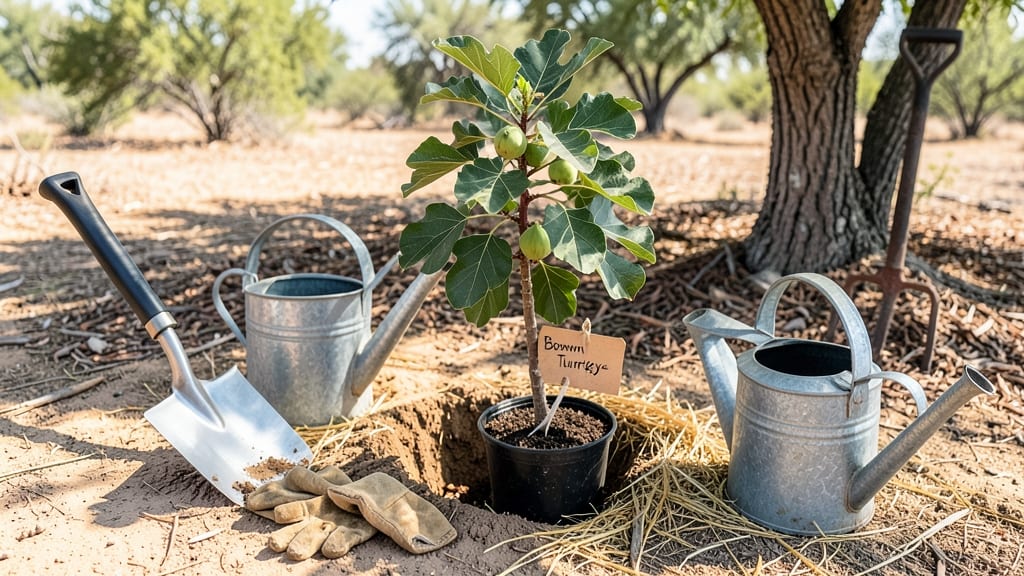
Planting fruit trees in Arizona at the wrong time could mean the difference between a thriving orchard and a sad, wilted investment. With 9b winters that barely dip below freezing and summers that hit 110°F, timing is everything—especially when matching chill-hour needs to your microclimate.
Most Arizona gardeners know winter is the prime window, but did you know November through February is actually the sweet spot? That’s when cool temps help roots establish before the brutal heat arrives.
Whether you’re planting bare-root saplings or container-grown trees, getting this right could save you from years of frustration.
I’ve tested the best strategies for 🍎🍊🍇 varieties in Arizona’s climate, from citrus that thrives with minimal chill to peaches that need just 300 hours of cold. Let’s break down exactly when—and how—to plant for maximum success, so you can enjoy homegrown fruit instead of store-bought disappointments.
Ready to avoid common mistakes like planting too early (and risking frost damage) or too late (and watching your tree struggle)? Stick around—I’ll show you the exact calendar, soil prep tips, and even which trees handle Arizona’s heat like a pro.
Arizona fruit tree planting calendar by chill-hour zones
Arizona’s diverse climate—from the low-desert heat of Phoenix to the cooler high-desert of Flagstaff—means one planting schedule doesn’t fit all. The secret to success? Matching your fruit tree’s chill-hour requirements to your local microclimate. Chill hours (temperatures between 32°F–45°F) trigger flowering, and Arizona’s zones range from 300–1,000+ hours annually.
For example, citrus trees (like lemon or orange) thrive in low-chill zones (300–500 hrs), while peaches or apples need 500–800+ hrs. Planting outside these ranges risks poor flowering or no fruit. Let’s break down the best months for each zone and tree type.
🌱
If you’re in the low desert, prioritize citrus or figs planted in November–January to avoid summer’s brutal heat. In Flagstaff’s high desert, apples or pears need September–October planting to establish roots before winter dormancy.
Container-grown trees offer flexibility—plant them in October–February to give roots time to adjust before Arizona’s 100°F+ summers. Just ensure your pot has drainage holes and use well-draining soil to prevent root rot.
Timing also depends on whether you’re planting bare-root (cheaper, dormant) or container-grown (pricier, active roots). Bare-root trees must go in during their dormant season (winter for most), while container-grown trees can handle fall or early spring as long as temps stay mild.
🌿
One critical factor often overlooked? Soil temperature. Roots struggle to grow in soil colder than 50°F or hotter than 85°F. Use a soil thermometer to confirm ideal conditions—aim for 60–70°F at planting depth (6–12 inches).
For high-chill varieties (like European pears), consider microclimates with cooler nights, such as near rocky slopes or water features. These spots can add 100+ extra chill hours compared to open desert areas.
Finally, account for Arizona’s unpredictable monsoons (July–September). Avoid planting during this window—heavy rains can dislodge young trees, and flash floods risk eroding soil. Instead, focus on winter planting when rains are gentle and consistent.
☀️
Arizona fruit tree planting calendar by chill-hour zones
Arizona’s diverse microclimates—from the low-desert heat of Phoenix to the cooler highlands near Flagstaff—create wildly different planting windows for fruit trees. The secret? Chill-hour requirements, which measure how many hours below 45°F your tree needs to bloom properly.
Most Arizona varieties thrive with 300–800 chill hours, but timing still matters to avoid summer stress.
For low-chill trees (300–500 hrs), like figs or loquats, plant in October–November to let roots establish before winter rains. Medium-chill varieties (500–800 hrs), such as peaches or plums, need November–December planting in warmer zones (USDA 9–10) or January–February in cooler areas (USDA 7–8). High-chill trees (800+ hrs), like apples, are risky but possible in Flagstaff’s elevations with January–February planting.
| Chill-Hour Zone | Best Planting Months | Ideal Tree Types | Avoid Planting |
|---|---|---|---|
| 300–500 hrs | October–November | Figs, Loquats, Pomegranates | June–September (monsoon) |
| 500–800 hrs | November–December (low desert) / January–February (high desert) | Peaches, Plums, Apricots | April–May (heat stress) |
| 800+ hrs | January–February (high elevations only) | Apples, Pears (limited varieties) | March–October (too warm) |
Bare-root trees (dormant, no soil) plant best in winter (November–February) when soil is cool and moist. Container-grown trees offer flexibility—plant them year-round in cooler months (avoid June–August heat). For container trees, water deeply 2–3 days before transplanting to reduce shock. Mulch heavily (3–4 inches) with straw or wood chips to retain moisture and regulate soil temps.
Arizona’s monsoon season (July–September) is a planting no-go—intense rains and fungal risks like Phytophthora can drown roots. Instead, time planting with cooler, drier months when soil temps stay below 75°F. Use a soil thermometer to check—ideal transplanting temps are 60–70°F. In high-desert areas (e.g., Prescott), wait until late January to avoid January frosts that can damage tender new roots.
Pro tip: Test your chill hours using a home weather station or local Cooperative Extension Service data. For example, Tucson averages 400–500 chill hours, while Flagstaff hits 800+. Match your tree’s needs to your location for blooms that translate to fruit—not just leaves!
Adjust planting dates 1–2 weeks earlier in cooler microclimates (e.g., shaded yards) or later in hot, low-lying areas.
Remember, root establishment is your #1 priority. A tree planted in December in Phoenix will have 6 months to grow roots before summer heat, while one planted in March may struggle with 110°F+ temps just 3 months later.
Plan ahead, and your fruit trees will reward you with years of harvests—not just survival. 🌱