
Trees
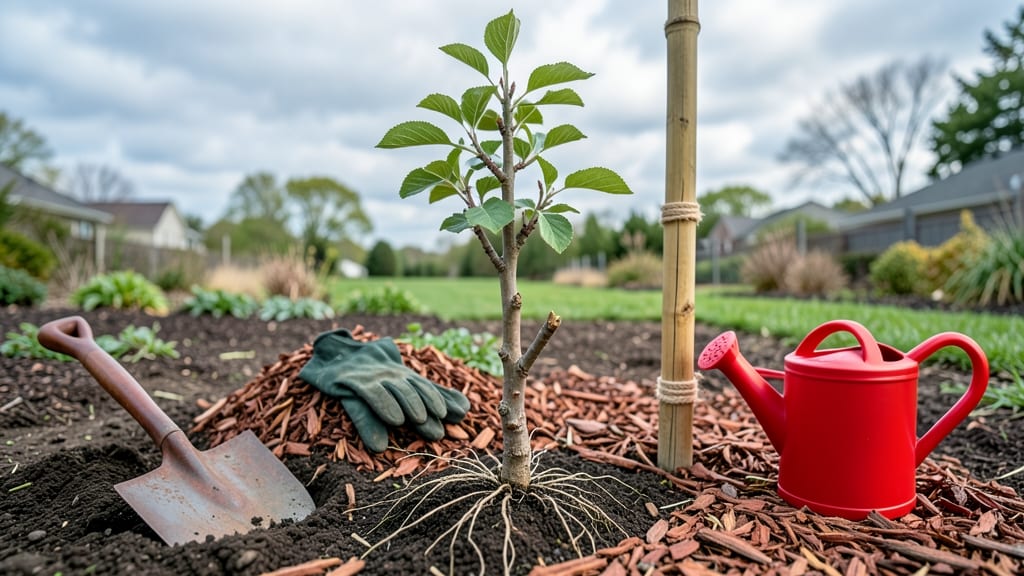
Planting a fruit tree 🍎 in Virginia at the wrong time could mean waiting years for that first harvest instead of enjoying it in just a few seasons.
The key to success lies in understanding your USDA zone—whether you're in the cooler 6a mountains or the milder 8a coastal areas—and matching it with the perfect planting window.
Most gardeners know spring is ideal, but did you know fall planting actually gives your tree a head start? When you plant in October or November, the roots establish before winter dormancy, setting the stage for explosive growth when spring arrives.
This isn't just theory—it's what separates thriving orchards from struggling saplings.
I'll break down exactly when to plant based on your Virginia zone, whether you're working with bare-root trees or container-grown varieties. You'll discover how soil temperature and frost dates create the perfect window for each type, plus pro tips to give your young tree the best possible start.
Ready to turn your backyard into a fruit-bearing paradise? Let's get into the precise months and methods that will have your trees producing harvests in just a few years—not decades.
Virginia USDA Zones and best planting months for fruit trees
Virginia spans USDA Zones 5a through 8a, creating distinct planting windows for fruit trees based on last frost dates and soil temperatures. In colder zones like 6a (western mountains), you’ll want to plant earlier than in Zone 8a (coastal areas).
The two best times are late winter/early spring (before buds swell) and fall (6-8 weeks before frost).
For bare-root trees, aim for February to April—this gives roots time to establish before summer heat. Container-grown trees are more flexible but still thrive when planted in fall (October-November) or early spring. Citrus varieties in Zone 8a can even handle December planting if protected from frost.
In Zone 6a (e.g., Roanoke), apple trees should go in the ground by April 15 to avoid heat stress, while Zone 8a (e.g., Norfolk) gardeners can plant peach trees as late as December 1 if using container-grown stock.
Always check your local frost dates—a late frost can kill new shoots if planted too early.
For fall planting, focus on October-November when soil stays warm but air cools. This gives roots time to establish before winter dormancy. Spring planting is riskier in Zone 5a due to late frosts, so opt for hardier varieties like Honeycrisp apples or Elberta peaches that tolerate cooler climates.
Microclimates matter! A south-facing slope in Zone 6a may warm up faster than a north-facing valley, allowing you to plant 2-4 weeks earlier. Use this to your advantage by observing nearby existing fruit trees—if their buds are swelling, it’s time to plant.
Citrus lovers in Zone 8a should avoid summer planting due to heat stress. Instead, choose late fall (after October 15) when temperatures drop below 90°F (32°C). Mulch heavily to protect roots from winter chill and summer heat waves.
Pro tip: If you miss the ideal window, container-grown trees can be planted in early summer (June) with extra watering and shade cloth to reduce transplant shock. Just be prepared for slower initial growth compared to fall/spring plantings.
Remember, root establishment is the #1 priority. A tree planted at the wrong time may struggle for years to recover—so pick your window wisely! 🌱
Key factors that determine the perfect planting window in Virginia
Understanding Virginia’s microclimates and soil conditions is the secret to planting fruit trees at the ideal time. Unlike many states, Virginia spans USDA Zones 5a to 8a, meaning frost dates and growing seasons vary dramatically—even within 50 miles.
For example, Roanoke’s Zone 6b has a last frost around April 15, while Norfolk’s Zone 8a sees frost-free conditions by March 1. These differences can shift your planting window by 6 weeks or more.
Another critical factor is soil temperature. Fruit tree roots need soil temps of at least 40°F (4°C) to establish properly.
In Virginia’s cooler mountain regions (Zones 5a-6a), this often means waiting until late April for bare-root trees, while coastal areas (Zones 7b-8a) can plant as early as February. Use a soil thermometer to check—roots won’t grow in cold soil, no matter how eager you are!
🌱Pro Tip: If you’re planting in fall (October-November), aim for 6-8 weeks before your region’s first frost. This gives roots time to knit before winter dormancy. For spring planting, wait until after the last frost but before buds swell—typically February-March in most of Virginia.
⚠️ Avoid These Planting Mistakes in Virginia
- Planting too early: Cold soil (below 40°F) stunts root growth—wait for consistent 50°F+ temps.
- Ignoring microclimates: A south-facing slope may be 2 weeks earlier than a north-facing valley.
- Skipping frost date research: Check local Cooperative Extension data—Virginia’s frost dates shift yearly.
- Overlooking container-grown trees: These can plant year-round (except extreme heat/cold), but fall is best.
🌧️ Rainfall matters too: Planting in saturated soil (like Virginia’s spring) delays root establishment.
Don’t forget rainfall patterns—Virginia’s wet springs can delay planting until soil dries enough to work. In Zone 7a (e.g., Charlottesville), this often means pushing back from March to April.
Conversely, drought-prone areas (like the Piedmont) may require irrigation planning if you plant in late spring. Always check 7-day soil moisture forecasts before digging.
For bare-root trees, timing is even more precise: plant them as soon as possible after purchase (they’re dormant but root desiccation starts immediately).
If you can’t plant right away, heel them in (temporarily bury the roots) in moist soil and keep them shaded. Container-grown trees, however, offer more flexibility—they can go in year-round, though fall or early spring still gives the best results.
🌿 Local Tip: Virginia’s Appalachian region (Zones 5a-6a) often gets earlier frosts than advertised. If you’re in Mountain Empire, err on the side of planting 2-3 weeks later than the USDA zone suggests.
For coastal areas, citrus trees (like Meyer lemons) can sometimes be planted in late winter, but they’re not cold-hardy beyond Zone 8a.
Finally, consider pollination needs. Many fruit trees (like apples and peaches) require cross-pollination, so plant them within 50 feet of compatible varieties. If you’re planting multiple trees, stagger their planting dates by 1-2 weeks to spread out the shock of transplanting.
This small adjustment can double your fruit yield in just a few years!